Chat on WhatsApp

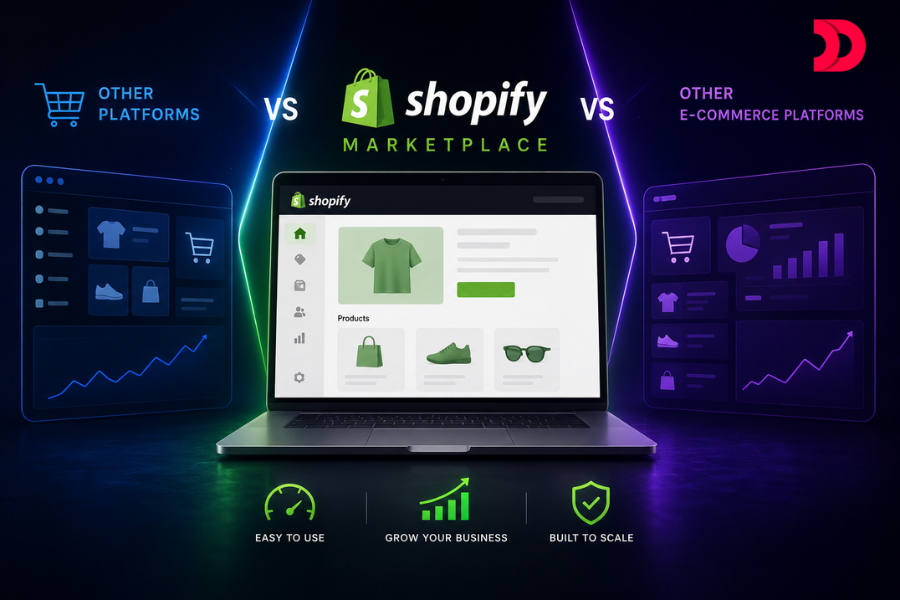
How Shopify Marketplace Compares to Other E-commerce Platforms

Everything you need to know before choosing the right platform for your online store. Choosing the right e-commerce platform is one of the most important decisions for any online business. Your choice affects website performance, customer experience, sales, and long-term scalability. Shopify has emerged as one of the most popular e-commerce platforms worldwide, but it’s not the only option. Other platforms like WooCommerce, Magento, BigCommerce, and Wix each have their strengths and limitations.

In this blog, we will explore how Shopify compares to these platforms across factors such as ease of use, performance, scalability, security, SEO, marketing features, and costs. We’ll also discuss why businesses often choose to hire Shopify experts, hire dedicated Shopify experts, or hire Shopify developers to maximize the benefits of the platform.

Why Choosing the Right E-commerce Platform Matters

Your e-commerce platform forms the backbone of your online store. The wrong choice can result in:

  • Slow website performance
  • High maintenance and operational costs
  • Complex management processes
  • Limited scalability for growth
  • Poor mobile experience
  • Lower conversion rates and customer satisfaction

Conversely, the right platform allows you to streamline operations, optimize user experience, and maximize sales. Shopify has gained popularity because it is a dedicated e-commerce platform that addresses these challenges. Many businesses also hire Shopify SEO experts to ensure that their store ranks high in search engines, driving organic traffic and improving sales.

  1. Ease of Use: Shopify vs Other Platforms

One of Shopify’s standout features is its user-friendly interface, which requires minimal technical knowledge.

Shopify

  • Intuitive drag-and-drop store builder
  • Easy product, inventory, and order management
  • Simple checkout setup and payment integration
  • Minimal coding needed for basic customization

Other Platforms

  • WooCommerce: Flexible but requires WordPress knowledge; plugin management can be complex
  • Magento: Powerful but has a steep learning curve; requires developers for setup and maintenance
  • BigCommerce: Easy to use but setup and pricing tiers can be confusing
  • Wix: Very user-friendly for small stores but limited in advanced e-commerce functionality

Takeaway

For businesses that want a quick, hassle-free setup, Shopify is ideal. By choosing to hire Shopify experts or hire dedicated Shopify experts, you can also implement custom features and advanced functionality without worrying about technical complexities.

  1. Performance and Speed

Website performance is critical for both user experience and conversions. Slow websites drive customers away and reduce sales.

Shopify

  • Hosted on a cloud infrastructure with a global CDN for fast loading worldwide
  • Optimized themes with lightweight code
  • Automatic caching, image optimization, and script minification

Other Platforms

  • WooCommerce: Speed depends on hosting quality; optimization requires technical knowledge
  • Magento: Extremely powerful but heavy; needs dedicated servers for fast performance
  • BigCommerce: Reliable but can slow down with complex customizations
  • Wix: Suitable for small stores; speed issues can arise for larger catalogs

Takeaway

Shopify’s performance is consistent and reliable. Businesses often hire Shopify developers to optimize custom themes, apps, and integrations without compromising speed. Fast-loading stores improve customer experience and boost sales.

Read MoreShopify Development Cost in UK: Pricing, Examples & Hidden Cost

  1. Mobile Optimization

Mobile commerce accounts for over 70% of online shopping traffic. A mobile-friendly platform is no longer optional.

Shopify

  • All official Shopify themes are fully responsive
  • Mobile-first checkout experience
  • Smooth navigation, buttons, and forms on smartphones and tablets
  • Optimized for speed and conversions on mobile

Other Platforms

  • WooCommerce: Mobile responsiveness depends on theme and plugins
  • Magento: Mobile-friendly but often requires custom development
  • BigCommerce: Good mobile design but customization can be complex
  • Wix: Simple for mobile but less scalable for large stores

Takeaway

Shopify ensures a seamless mobile shopping experience. By hiring dedicated Shopify experts, businesses can further enhance mobile UI and UX, increasing engagement and sales.

  1. Security and Reliability

Security is a major concern for online businesses. Customers expect a safe shopping experience, and a secure platform builds trust.

Shopify

  • PCI DSS compliant for secure payment processing
  • Free SSL certificates for all stores
  • Automatic updates, monitoring, and backups
  • Hosted, stable environment with 99.9% uptime

Other Platforms

  • WooCommerce: Security depends on hosting and plugins; requires manual maintenance
  • Magento: Very secure but requires technical expertise to maintain
  • BigCommerce: Secure but some advanced security settings require customization
  • Wix: Safe for small stores, limited control for advanced security features

Takeaway

Shopify provides a secure and stable platform out of the box. Businesses often hire Shopify developers to implement additional security layers and ensure compliance, giving customers confidence to make purchases.

  1. Scalability and Growth Potential

Your platform should grow with your business.

Shopify

  • Handles small and enterprise-level stores, including Shopify Plus
  • Supports unlimited products, traffic, and transactions
  • Multi-store management for international markets
  • Flexible integrations with apps and APIs

Other Platforms

  • WooCommerce: Scalable but requires server upgrades and technical expertise
  • Magento: Highly scalable but costly to maintain and optimize
  • BigCommerce: Good scalability but costs increase with sales
  • Wix: Limited scalability for larger stores

Takeaway

Shopify provides seamless scalability. Hiring dedicated Shopify experts ensures your store grows without performance issues or downtime.

  1. E-commerce Features and App Ecosystem

Feature-rich platforms allow for advanced functionality and better customer experiences.

Shopify

  • Thousands of apps for marketing, automation, shipping, analytics, and customer engagement
  • Built-in tools like abandoned cart recovery, reviews, and discounts
  • Easy integration with marketplaces, POS systems, and payment gateways

Other Platforms

  • WooCommerce: Requires plugins for many features; can cause conflicts
  • Magento: Extensive features but coding skills required
  • BigCommerce: Good built-in tools but smaller app ecosystem than Shopify
  • Wix: Limited app options for advanced e-commerce needs

Takeaway

Shopify’s ecosystem is unmatched for variety and ease of use. Businesses often hire Shopify SEO experts to leverage apps that increase traffic, engagement, and sales.

  1. SEO and Marketing Capabilities

A platform with strong SEO and marketing features helps attract organic traffic and improve sales.

Shopify

  • Mobile-friendly, fast-loading pages
  • Optimized URLs, meta tags, headings, and structured data
  • Blogging and content marketing tools built-in
  • Easy integration with email, social media, and paid advertising

Other Platforms

  • WooCommerce: Flexible SEO but depends on plugins
  • Magento: Powerful SEO but requires technical expertise
  • BigCommerce: Good SEO options but less flexible than Shopify
  • Wix: Basic SEO tools; limited for advanced strategies

Takeaway

Shopify provides strong SEO and marketing capabilities out of the box. Hiring Shopify SEO experts ensures your store ranks high in search engines, driving organic traffic and boosting sales.

  1. Cost Comparison

Cost is a critical factor, but total cost of ownership includes hosting, maintenance, apps, and developer fees.

Shopify

  • Fixed monthly plans, optional transaction fees
  • Free and paid themes available
  • App subscriptions for advanced functionality (ROI often exceeds costs)

Other Platforms

  • WooCommerce: Free core plugin, but hosting, themes, and plugins add up
  • Magento: Open-source version free, but hosting and development costs are high
  • BigCommerce: Monthly plans based on revenue tiers
  • Wix: Low initial cost but limited scalability for large stores

Takeaway

Shopify offers predictable costs and excellent ROI, especially when you hire Shopify experts to optimize your store efficiently.

Conclusion: Why Shopify Stands Out

Shopify outperforms most other e-commerce platforms in ease of use, performance, scalability, security, SEO, marketing, and app ecosystem. While platforms like WooCommerce or Magento offer flexibility, they require more technical knowledge and ongoing maintenance.

For businesses that want a seamless, fast, and high-converting online store, it’s often best to:

  • Hire Shopify experts to migrate or set up your store
  • Hire dedicated Shopify experts for long-term customization and maintenance
  • Hire Shopify developers to create custom themes and integrations
  • Hire Shopify SEO experts to maximize search visibility and organic sales

By choosing Shopify and working with professionals, your store will be well-positioned to deliver a secure, high-performing, and revenue-generating shopping experience. Shopify isn’t just an e-commerce platform; it’s a growth engine that can help businesses scale quickly and efficiently while providing a seamless customer experience.

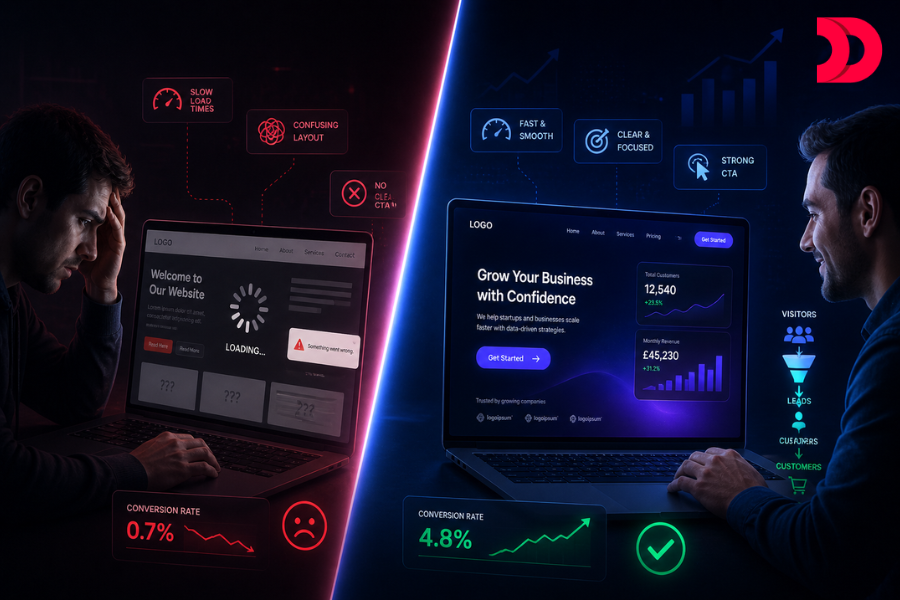
Why Your Website Isn’t Converting Visitors into Customers (And How to Fix It)

Your website may be getting traffic, but if those visitors are not converting into customers, something is clearly missing. Many UK businesses invest heavily in design and development but overlook the factors that actually drive conversions. A website is not just about looking good — it’s about guiding users toward action. Whether you’re working with a website development company or managing your site internally, understanding conversion gaps is critical. From poor user experience to unclear messaging, multiple elements can affect performance. In this guide, we’ll break down the key reasons why your website isn’t converting and how you can fix them strategically to drive real business growth.

Step 1: Your Value Proposition Isn’t Clear

One of the biggest reasons websites fail to convert is a weak or unclear value proposition. When a user lands on your website, they should instantly understand what you offer, who it’s for, and why it matters. If your messaging is confusing or too generic, visitors will leave without taking action.

Many businesses focus too much on design and forget the importance of clear communication. Even if you work with a professional web development company in UK, your content must clearly highlight your unique selling points. Your homepage should answer three key questions within seconds: What do you do? How does it help? Why should someone choose you?

If your website doesn’t communicate value instantly, users won’t stay long enough to explore further. Strong headlines, clear messaging, and focused content are essential for improving conversions.

Step 2: Poor User Experience (UX) Is Driving Users Away

User experience plays a crucial role in conversion rates. If your website is difficult to navigate, slow to load, or cluttered with too much information, visitors will quickly leave. A well-structured and user-friendly design ensures that users can find what they are looking for without frustration. A professional website development company focuses on creating intuitive layouts, fast-loading pages, and mobile-friendly designs. However, many websites still fail because they ignore user behavior. For example, complicated navigation menus or too many distractions can reduce engagement.

To improve conversions, focus on simplicity. Make your website easy to use, ensure fast loading speed, and guide users smoothly through their journey. If needed, consider hiring experts or choosing to hire a web developer who understands user-centric design principles.

Step 3: Your Website Is Not Optimized for Mobile Users

In the UK, a significant portion of website traffic comes from mobile devices. If your website is not fully optimized for mobile users, you are likely losing potential customers. A mobile-unfriendly design leads to poor user experience, slow navigation, and higher bounce rates. Even if your desktop version looks perfect, mobile usability is equally important. A reliable web development company in UK ensures responsive design that adapts seamlessly across all screen sizes. Buttons should be easy to click, text should be readable, and pages should load quickly on mobile networks.

If your website is not mobile-optimized, users will leave and move to competitors. Investing in mobile responsiveness is no longer optional — it’s essential for improving conversions and staying competitive in today’s digital landscape.

Step 4: Weak or Missing Call-to-Actions (CTAs)

A website without strong call-to-actions is like a store without a checkout counter. If users don’t know what to do next, they won’t take action. Many websites fail because they do not guide users clearly toward conversion points. Your CTAs should be visible, compelling, and strategically placed throughout the website. Whether it’s “Get a Quote,” “Contact Us,” or “Book a Consultation,” your messaging should encourage users to take the next step.

A skilled website development company understands how to position CTAs effectively. If your website lacks clear direction, you may need to hire a web developer who can restructure your pages for better conversion flow. Strong CTAs create clarity and significantly improve user engagement.

Step 5: Slow Website Speed Is Killing Conversions

Website speed is one of the most critical factors affecting conversions. If your website takes too long to load, users will leave before even seeing your content. Studies show that even a few seconds of delay can significantly reduce conversion rates. Many businesses overlook performance optimization during development. A professional web development company in UK ensures that your website is optimized for speed through proper coding, image compression, and server configuration.

To improve performance, reduce unnecessary elements, optimize images, and use fast hosting solutions. Speed not only improves user experience but also boosts your SEO rankings. A fast website keeps users engaged and increases the chances of conversion.

Step 6: Lack of Trust Signals and Credibility

Visitors will not convert if they do not trust your business. Trust is a key factor in decision-making, especially for new users. If your website lacks credibility elements, users may hesitate to take action. Trust signals include client testimonials, reviews, certifications, case studies, and secure payment icons. Even small details like professional design and clear contact information can build confidence.

Working with an experienced website development company can help you integrate trust elements effectively. If your site feels outdated or unprofessional, it’s worth investing in improvements or choosing to hire a web developer who can enhance your website’s credibility. Building trust is essential for turning visitors into paying customers.

Step 7: Your Content Isn’t Persuasive Enough

Content plays a major role in converting visitors. If your content is too generic, unclear, or not focused on user needs, it won’t drive action. Your website should not just inform — it should persuade. Instead of focusing only on features, highlight the benefits of your product or service. Show how you solve problems and add value. A professional web development company in UK often works alongside content strategies to ensure messaging aligns with user intent.

Clear headlines, engaging descriptions, and well-structured content can significantly improve conversions. If your content is not performing, consider refining it or working with experts who understand both development and marketing.

Step 8: Complicated Conversion Process

Even if users are interested, a complicated process can stop them from converting. Long forms, unnecessary steps, or confusing checkout processes can lead to drop-offs. Your website should make it as easy as possible for users to take action. Simplify forms, reduce steps, and ensure a smooth flow from landing to conversion. A skilled website development company focuses on optimizing user journeys to remove friction. If your process feels complex, you may need to hire a web developer to streamline it. The easier it is for users to convert, the higher your conversion rate will be.

Step 9: No Data Tracking or Optimization Strategy

Many websites fail because they are not optimized based on data. Without tracking user behavior, you won’t know what’s working and what needs improvement. Tools like analytics and heatmaps help you understand how users interact with your site. A reliable web development company in UK can help you integrate tracking systems and optimize your website based on real data.

Continuous testing and improvement are essential for long-term success. If you’re not analyzing performance, you’re missing opportunities to improve conversions.

Conclusion

If your website isn’t converting visitors into customers, the problem is not just traffic — it’s strategy. From unclear messaging to poor user experience, multiple factors can impact performance. The key is to identify the gaps and fix them step by step. Whether it’s improving design, optimizing content, or simplifying the user journey, every improvement brings you closer to better conversions. Working with the right website development company or choosing to hire a web developer can help you build a high-performing website that drives real results.

A successful website is not just about attracting visitors it’s about converting them into customers.

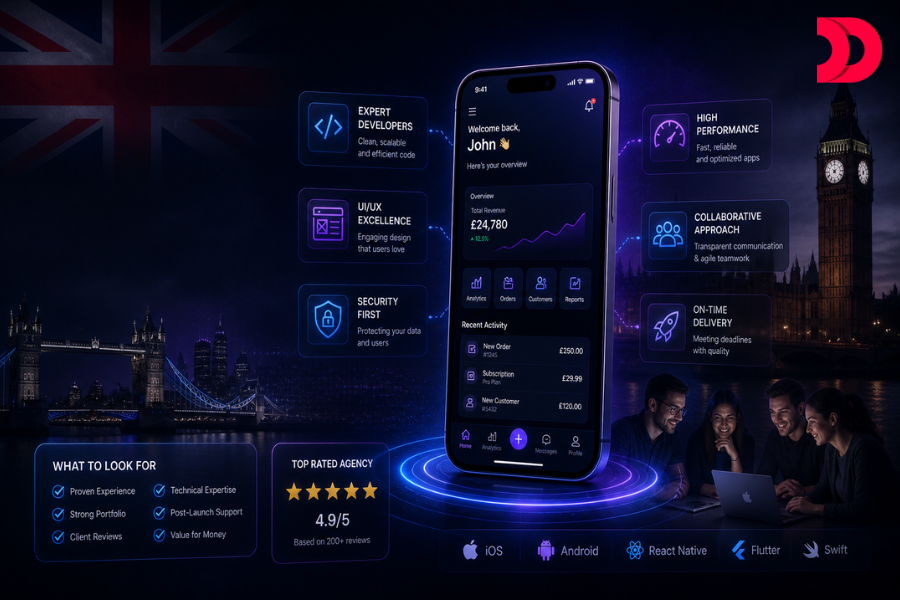
Top Qualities to Look for in a UK App Development Agency

Choosing the right app development agency in the UK can make or break your digital product. With so many options available, startups and businesses often struggle to identify which agency truly aligns with their goals. The decision is not just about hiring developers it’s about selecting a long-term technology partner who understands your vision, delivers scalable solutions, and supports your growth. Whether you’re building a web platform or a mobile application, working with a reliable web and mobile app development company is essential. In this guide, we’ll walk you through the key qualities you should look for when choosing the right development agency in the UK.

Step 1: Proven Experience and Strong Portfolio

The first thing to evaluate in any app development agency is their experience and portfolio. A reliable agency should have a track record of successfully delivering projects across different industries. This not only shows their technical capability but also their ability to understand various business models.

When reviewing an agency, look for real examples of apps they have built. Check whether they have experience working as an App development company, depending on your needs. A strong portfolio demonstrates their ability to handle complex requirements and deliver results. UK businesses should prioritize agencies that showcase measurable outcomes, such as improved performance, user engagement, or scalability. Experience reduces risk and ensures your project is handled professionally from start to finish.

Step 2: Technical Expertise and Modern Tech Stack

An agency’s technical expertise is a critical factor in determining the success of your project. The right team should be proficient in modern technologies, frameworks, and development practices. This includes knowledge of mobile platforms like iOS and Android, as well as web technologies such as React, Node.js, and cloud-based solutions. A professional web and mobile app development Agency should be able to recommend the best tech stack based on your project requirements. They should also follow industry best practices such as clean coding, scalability, and security standards.

If you’re planning to build a custom solution, you may also consider whether you need to hire web app developer resources or work with a full-service agency. Technical strength ensures your app performs well, remains secure, and scales as your business grows.

Step 3: Understanding of Business Goals

A good development agency doesn’t just build apps it understands your business. The best agencies take time to learn about your goals, target audience, and market challenges before starting development. Instead of focusing only on technical execution, they provide strategic insights that help improve your product. For example, a reliable mobile app development company will consider user engagement, retention, and monetization strategies while designing your app.

UK businesses should look for agencies that act as partners rather than service providers. If an agency only talks about features and not outcomes, it may not be the right fit. A strong understanding of business goals ensures that your app is not just functional but also aligned with your growth strategy.

Step 4: Transparent Communication and Process

Clear communication is essential for any successful project. A professional agency should maintain transparency throughout the development process, from initial discussions to final delivery. This includes regular updates, clear timelines, and open collaboration. Whether you choose a web app development company or decide to hire web app developer resources, communication should never be a barrier.

UK startups often face challenges when working with agencies that lack clarity or responsiveness. To avoid this, choose a team that uses structured processes, such as agile development, to keep you involved at every stage. Transparent communication builds trust and ensures that your project stays on track.

Step 5: Focus on User Experience (UX/UI Design)

A well-designed app is crucial for user engagement and retention. The agency you choose should have a strong focus on UX/UI design, ensuring that your app is intuitive, visually appealing, and easy to use. User experience goes beyond design it includes navigation, accessibility, and overall usability. A professional web app development company understands how to create user-friendly interfaces that guide users toward desired actions.

For mobile applications, this becomes even more important. A skilled mobile app development company ensures smooth interactions, fast performance, and seamless navigation. Investing in good design not only improves user satisfaction but also increases conversion rates and long-term success.

Step 6: Scalability and Future-Ready Solutions

Your app should be built with future growth in mind. A reliable agency focuses on creating scalable solutions that can handle increased traffic, new features, and evolving business needs. Many startups make the mistake of building apps that work initially but fail to scale later. A strong web app development company ensures that your platform is built with a flexible architecture that supports expansion.

If you plan to grow your business, it’s important to choose an agency that can adapt to your future requirements. Whether you decide to expand your web platform or hire a mobile app developer for additional features, scalability should always be a priority.

Step 7: Post-Launch Support and Maintenance

App development does not end after launch. Ongoing support and maintenance are essential to ensure your app continues to perform well and remains secure.

A professional agency provides post-launch services such as updates, bug fixes, performance optimization, and feature enhancements. Whether you’re working with a Web & Mobile Application development company, ongoing support ensures long-term success. UK businesses should look for agencies that offer dedicated support plans. If an agency does not provide maintenance services, you may need to hire web app developer resources separately, which can increase costs and complexity.

Step 8: Client Reviews and Reputation

An agency’s reputation speaks volumes about its reliability. Before making a decision, check client reviews, testimonials, and ratings. This will give you insights into their work quality, communication, and overall performance. Look for feedback from businesses similar to yours. A reputable mobile app development company will have positive reviews highlighting successful project delivery and strong client relationships.UK startups should also consider case studies and references. Speaking directly with past clients can provide valuable insights into the agency’s strengths and weaknesses. A strong reputation builds confidence and reduces the risk of choosing the wrong partner.

Step 9: Cost vs Value Approach

While cost is an important factor, it should not be the only consideration. Choosing the cheapest option can lead to poor quality and long-term issues. Instead, focus on the value an agency provides. A professional web app development company or mobile app development company may charge higher fees, but they deliver better results, scalability, and long-term support. UK businesses should evaluate the overall return on investment rather than just the initial cost. If needed, you can start by choosing to hire web app developer resources for smaller projects and scale later.

Investing in quality development ensures that your app performs well and supports your business growth.

Conclusion

Choosing the right app development agency in the UK is a critical decision that requires careful evaluation. From experience and technical expertise to communication and scalability, each factor plays a role in determining your project’s success.

The best agencies go beyond development they act as strategic partners who help you build, grow, and scale your product. Whether you’re working with a mobile app development company or a web app development company, the goal should be to create a solution that aligns with your business objectives.

By focusing on the qualities outlined in this guide, you can confidently select an agency that delivers real value and supports your long-term success.

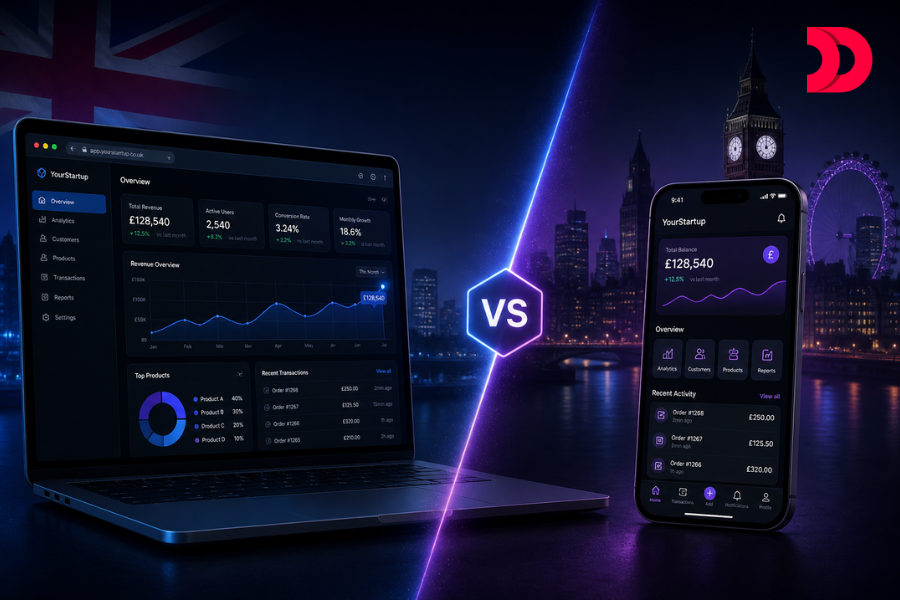
Web App vs Mobile App: The Smart Choice Every UK Startup Must Make

Choosing between a web app and a mobile app is one of the most important decisions for any UK startup. It directly affects your development cost, time to market, user experience, and long-term scalability. Many startups make the mistake of jumping into development without understanding what truly fits their business model. This often leads to wasted resources and slow growth.

The right approach is to align your technology choice with your business goals, target audience, and budget. Whether you plan to work with a mobile app development company or a web app development company, your decision should be strategic, not impulsive.

In this guide, we break everything down step by step so you can make a confident decision and build a product that grows with your startup.

Step 1: Understanding the Core Difference

Before choosing the right solution, it’s important to understand how web apps and mobile apps function in real business scenarios. A web app runs through a browser and does not require installation, making it accessible on any device. A mobile app, however, is installed on a smartphone and is designed for platforms like iOS and Android, offering better performance and deeper device integration. For UK startups, this difference impacts how users interact with your product. Web apps focus on accessibility and quick onboarding, while mobile apps focus on engagement and performance. Many startups begin by partnering with a web app development company to build an MVP quickly and test their idea in the market.

If your goal is faster entry and lower investment, choosing to hire a web app developer can help you launch efficiently without overcommitting resources.

Step 2: Aligning with Your Startup Goals

Your choice between a web app and a mobile app should always align with your startup’s vision. If you want to validate your idea quickly, a web app is the smarter option. It allows you to launch faster and gather user feedback without high development costs. However, if your goal is to create a highly interactive platform with strong user engagement, working with a mobile app development company becomes essential. Mobile apps are better suited for businesses that rely on daily usage, notifications, and personalized experiences.

UK startups should also analyze their audience behavior. If your users prefer mobile-first experiences, investing in a mobile app developer can help you build a more engaging product. On the other hand, if your users access your platform across multiple devices, a web app provides better flexibility.

Step 3: Development Cost and Budget Planning

Cost is one of the biggest deciding factors for startups. Web apps are generally more affordable because they use a single codebase and do not require platform-specific development. This makes them ideal for startups with limited budgets. Mobile apps, on the other hand, can be more expensive due to the need for separate development for iOS and Android, especially if built natively. Even cross-platform solutions require additional optimization and testing.

For UK startups, a practical approach is to start with a web app and then scale. Many businesses choose to work with a web app development company to build their initial product and later expand by hiring a mobile app developer once they achieve product-market fit.

This phased investment strategy helps reduce financial risk while ensuring long-term growth.

Step 4: Time to Market and Launch Speed

Speed is critical in today’s competitive startup ecosystem. Web apps offer a faster development cycle because they do not require app store approvals. You can launch quickly, gather user feedback, and make updates instantly.

Mobile apps take longer to develop and deploy. After development, they must pass app store review processes, which can delay your launch. Updates also require user downloads, which slows down iteration. For UK startups looking to validate ideas quickly, it’s better to hire a web app developer and launch a web app first. Once the product gains traction, you can then collaborate with a mobile app development company to build a more advanced solution.

This approach ensures faster growth and reduces time-related risks.

Step 5: User Experience and Engagement

User experience plays a major role in product success. Mobile apps are designed for smartphones, offering smoother interactions, faster performance, and features like push notifications and offline access. These capabilities significantly improve user engagement.

Web apps, while improving with modern technologies, still rely on browser performance and internet connectivity. However, they are sufficient for many business models, especially SaaS platforms and B2B solutions. If your product requires frequent user interaction, working with a mobile app development company can help you deliver a superior experience. If your focus is functionality and accessibility, a web app remains a strong option.

Choosing the right experience depends on how users will interact with your platform daily.

Step 6: Accessibility and User Reach

Accessibility is where web apps have a clear advantage. Users can access them instantly through a browser without downloading anything. This reduces friction and makes it easier to attract new users. Mobile apps require installation, which adds an extra step in the onboarding process. However, once installed, they often result in higher engagement and retention.

For UK startups aiming for rapid growth, starting with a web app is often the best choice. Later, you can expand your reach by working with a mobile app development company to build a dedicated app.

Balancing accessibility and engagement is key to building a successful digital product.

Step 7: Maintenance and Scalability

Maintenance is easier with web apps because updates are applied instantly on the server. Users always access the latest version without needing to install updates. This simplifies ongoing development and reduces maintenance costs. Mobile apps require updates to be pushed through app stores, and users must manually install them. This can slow down feature adoption and increase complexity.

However, mobile apps offer better scalability in terms of performance and advanced features. Many startups begin with a web app and later scale by hiring a mobile app developer to enhance functionality and user experience.

A balanced approach ensures both efficiency and long-term scalability.

Step 8: When Should You Choose a Web App?

A web app is the right choice when your startup is in the early stage and needs to launch quickly. It is ideal for testing ideas, building MVPs, and reaching a wide audience without high investment. Startups often collaborate with a web app development company to create scalable solutions that can evolve over time. This approach allows you to validate your product before committing to more complex development.

If your focus is speed, cost-efficiency, and flexibility, choosing a web app is a smart decision.

Step 9: When Should You Choose a Mobile App?

A mobile app is the best option when your product requires high engagement, real-time interaction, and access to device features. Industries like fitness, delivery, and social platforms benefit greatly from mobile apps. For UK startups aiming to build strong user relationships, working with a mobile app development company or choosing to hire a mobile app developer ensures better performance and scalability.

Mobile apps are ideal for businesses that prioritize user experience and long-term engagement.

Conclusion

Choosing between a web app and a mobile app is a strategic decision that depends on your startup’s goals, budget, and audience. Web apps offer speed, affordability, and accessibility, making them perfect for early-stage startups. Mobile apps provide better performance and engagement, making them ideal for scaling.

The smartest approach is to start with a web app, validate your idea, and then expand into mobile development. By working with the right web app development company or mobile app development company, you can build a solution that grows with your business.

Making the right choice at the right time is what sets successful startups apart.