Chat on WhatsApp

Why Every App Developer Should Use AI Frameworks in 2026

The mobile app development industry in 2026 is evolving faster than ever before. Users no longer expect just functional apps they demand intelligent, responsive, and personalized experiences. This shift has made Artificial Intelligence a core part of modern app development. For developers, integrating AI is no longer optional; it is essential for building competitive and future-ready applications.

AI frameworks simplify the process of adding advanced capabilities to apps. They provide ready-to-use tools, models, and APIs that allow developers to build smarter applications without starting from scratch. From automation to personalization and predictive analytics, AI frameworks are transforming how apps are created and experienced.

Let’s explore why every app developer should adopt AI frameworks in 2026.

Faster Development and Reduced Time-to-Market

In today’s competitive digital landscape, speed is a crucial factor in determining an app’s success. AI frameworks significantly accelerate the development process by offering pre-built models, APIs, and reusable components. Developers no longer need to spend months building complex functionalities from scratch, which helps reduce development time considerably.

These frameworks also enable automation in coding, testing, and debugging, making the overall development cycle more efficient. By reducing manual effort and minimizing errors, developers can focus on enhancing user experience and adding innovative features. Faster development cycles allow businesses to launch their apps quickly, gather real-time feedback, and improve continuously.

In 2026, being first to market can provide a significant competitive advantage. AI frameworks empower developers to deliver high-quality applications in less time, ensuring they stay ahead in a rapidly changing environment.

Enhanced User Experience Through Personalization

User expectations have evolved, and personalization has become a defining factor for app success. AI frameworks enable developers to analyze user behavior, preferences, and interaction patterns to deliver highly customized experiences. Apps can now adapt content, recommendations, and even interface design based on individual users.

For example, AI can recommend products, suggest content, or tailor notifications according to user interests. This level of personalization creates a more engaging and meaningful experience, encouraging users to spend more time on the app. It also helps build stronger relationships between users and brands.

Real-time personalization further enhances usability, as apps can instantly respond to user actions. In 2026, personalization is no longer a luxury it is an expectation. Developers who leverage AI frameworks can create apps that feel intuitive and user-centric, leading to higher retention and satisfaction rates.

 Smarter Decision-Making with Data Insights

Data plays a vital role in modern app development, but its true value lies in how effectively it is used. AI frameworks allow developers to process large volumes of data and extract meaningful insights. These insights help applications make smarter decisions and improve overall performance.

With AI-powered analytics, apps can identify user patterns, predict behavior, and optimize features accordingly. For instance, an app can recommend actions, detect anomalies, or forecast trends based on real-time data. This capability is especially valuable in industries like finance, healthcare, and eCommerce.

By using data intelligently, developers can enhance user experiences and support better business decisions. In a data-driven world, the ability to make informed and timely decisions is a major advantage, and AI frameworks make this possible.

Automation of Repetitive Tasks

A large portion of app development involves repetitive tasks that can slow down productivity. AI frameworks help automate these processes, allowing developers to focus on more strategic and creative work. Tasks such as testing, debugging, and deployment can be handled more efficiently using AI-powered tools.

Automation not only saves time but also improves accuracy by reducing human errors. AI can detect bugs, suggest improvements, and optimize performance without constant manual intervention. This leads to a smoother development process and a more reliable final product.

In addition, automation extends beyond development to areas like customer support, where AI chatbots can handle user queries instantly. In 2026, automation is essential for maintaining efficiency and delivering high-quality applications at scale.

Improved App Security

As cyber threats continue to grow, app security has become a top priority for developers. AI frameworks enhance security by providing intelligent threat detection and prevention mechanisms. These systems can analyze user behavior and identify unusual patterns that may indicate potential risks.

AI can detect suspicious activities, prevent unauthorized access, and identify vulnerabilities within the application. Unlike traditional security methods, AI-based systems continuously learn and adapt to new threats, making them more effective over time.

This proactive approach to security helps protect user data and builds trust. In 2026, users expect apps to be not only functional but also secure. Developers who integrate AI frameworks can ensure robust protection while maintaining a seamless user experience.

Seamless Integration of Advanced Features

Modern apps are expected to offer advanced features that enhance usability and engagement. AI frameworks make it easier to integrate capabilities such as voice recognition, image processing, and natural language understanding.

These features allow apps to interact with users in more intuitive ways. For example, voice assistants enable hands-free operation, while image recognition can support scanning and augmented reality experiences. Language processing helps apps understand and respond to user queries more naturally.

By incorporating these features, developers can create more interactive and intelligent applications. AI frameworks simplify the implementation process, making advanced functionalities accessible even to smaller development teams.

Scalability and Flexibility

As apps grow, they must handle increasing user demand and data volume. AI frameworks are designed to support scalability, ensuring that applications remain efficient even as they expand. This is especially important for businesses aiming for long-term growth.

Cloud-based AI solutions provide flexible resources that can be adjusted based on demand. This allows developers to scale applications without compromising performance or incurring unnecessary costs. Additionally, AI frameworks offer flexibility in terms of customization and integration.

Developers can easily update features, modify models, and adapt to changing requirements. In 2026, scalability and flexibility are essential for building applications that can evolve alongside user needs and technological advancements.

 Cost Efficiency in the Long Run

While adopting AI frameworks may involve initial costs, they offer significant savings over time. By reducing development time and automating processes, these frameworks lower overall operational expenses. Developers can complete projects faster with fewer resources, improving efficiency.

AI also helps minimize maintenance costs by identifying potential issues early and preventing major failures. Predictive analytics ensures smoother operations and reduces downtime. Additionally, data-driven insights enable better decision-making, leading to improved business outcomes.

In the long run, AI frameworks provide a strong return on investment. They allow businesses to optimize resources, increase productivity, and achieve sustainable growth in a competitive market.

Staying Competitive in a Rapidly Evolving Market

The app development industry is highly competitive, with new trends emerging constantly. To stay relevant, developers must innovate and adapt quickly. AI frameworks provide the tools needed to build advanced, high-performing applications that meet modern user expectations.

By leveraging AI, developers can introduce unique features, improve user engagement, and deliver superior experiences. This helps apps stand out in a crowded marketplace. Faster development and continuous improvement also enable businesses to respond to market changes effectively.

Future-Proofing Your Applications

Technology continues to evolve, and applications must be designed to keep up with these changes. AI frameworks help future-proof apps by offering continuous updates and advanced capabilities. This ensures that applications remain relevant and adaptable over time.

Developers can easily integrate new technologies and features without rebuilding the entire application. AI-driven systems also improve over time, becoming more efficient as they process more data. This adaptability is crucial in a rapidly changing digital landscape.

Future-proofing is about building applications that can grow and evolve. By adopting AI frameworks, developers can create solutions that are not only effective today but also ready for the challenges of tomorrow.

Conclusion

AI frameworks have become a fundamental part of app development in 2026. They enable developers to build smarter, faster, and more efficient applications while meeting the growing expectations of users. From personalization and automation to security and scalability, the benefits are extensive.

For developers looking to stay competitive and innovative, adopting AI frameworks is no longer a choice it is a necessity. By embracing this technology, they can create future-ready applications that deliver exceptional value and performance in an increasingly intelligent digital world.


Telemedicine App Development Cost: Complete Guide & Estimates

Introduction

Telemedicine apps are transforming modern healthcare by providing convenient, fast, and fully remote access to essential medical services. Understanding telemedicine app development cost is crucial for planning a successful project efficiently and ensuring it meets patient expectations effectively.

Medical businesses must plan carefully to align app features, overall budget, and project timeline during telemedicine app development. Smart planning ensures these apps meet patient needs reliably while maximizing ROI, improving engagement, and increasing adoption rates consistently.

1. Factors Affecting Telemedicine App Development Cost

Several elements control telemedicine app budget. By Knowing these factors helps in making informed decisions and optimizing development budget efficiently.

Key Cost Drivers

  • Complexity of features like video calls, chat, or appointment scheduling
  • Platform choice: Android, iOS, or cross-platform
  • Design and UI/UX customization
  • Security measures and HIPAA compliance
  • Integration with existing healthcare systems

The app development cost depends on combining these factors carefully, ensuring quality without overspending.

2. Types of Telemedicine Apps and Cost Variations

Different telemedicine apps have varying features, which significantly impact telemedicine app pricing. Understanding these types helps businesses choose the right model.

Common Models Include:

  • Doctor-to-Patient Apps: Let patients book appointments, consult doctors remotely, and receive prescriptions online.
  • Patient-to-Patient Apps: Allow patients to connect with peers, share experiences, and provide community support.
  • Doctor-to-Doctor Apps: Enable medical professionals to collaborate, exchange knowledge, and provide second opinions efficiently.
  • Specialized Healthcare Apps: Focus on niche services like mental health, chronic illness management, or wellness tracking.

Selecting the right type directly impacts the overall cost and project scope.

3. Essential Features and Their Cost Impact

App features directly influence development complexity and budget. Choosing essential features ensures an optimal balance between functionality and cost.

Must-Have Features

  • Video and audio consultations
  • Secure patient data storage and EHR integration
  • Appointment booking and reminders
  • Payment gateways and insurance integration
  • Analytics and reporting dashboards

Well-planned features can control cost while providing excellent patient experience.

Telemedicine App Cost Estimates

App TypeBasic CostAdvanced CostEnterprise Cost
Doctor-to-Patient$20,000$50,000$100,000
Patient-to-Patient$15,000$35,000$80,000
Doctor-to-Doctor$25,000$60,000$120,000
Specialized Healthcare$30,000$70,000$150,000

This table provides a clear estimate range for development depending on complexity.

4. Choosing the Right Platform for Your App

The choice of platform plays a significant role in telemedicine app development cost. Selecting wisely impacts both development time and maintenance expenses.

Platform Considerations

  • Native Android apps require separate development, increasing cost
  • iOS apps may cost slightly higher due to design standards
  • Cross-platform apps reduce time and cost but may compromise performance
  • Web apps provide accessibility but need strong security features

Platform selection directly influences cost while impacting efficiency and user satisfaction.

To understand things better, check our guide on how to build a telemedicine app and plan your project step by step with confidence.

5. Design and User Experience Influence

A seamless design enhances patient engagement and satisfaction. Investing in UI/UX is crucial but can impact telemedicine app cost.

Design Components

  • Intuitive navigation and easy accessibility
  • Patient-centric dashboards and notifications
  • Professional branding and color themes
  • Responsive design for multiple devices

Good design improves telemedicine app adoption, making the investment worthwhile.

6. Security and Compliance Costs

Healthcare apps handle sensitive information. Security and compliance are mandatory, adding to app development cost.

Security Requirements

  • HIPAA and GDPR compliance for patient data
  • End-to-end encryption for communication
  • Secure cloud storage and backup
  • Regular audits and penetration testing

Ensuring compliance and security safeguards patients and enhances trust, making telemedicine app cost worthwhile.

Cost Breakdown by Feature

FeatureEstimated CostImportance
Video Consultation$5,000–$15,000High
Appointment Booking$2,000–$6,000High
Payment Integration$3,000–$8,000Medium
Analytics Dashboard$4,000–$10,000Medium
EHR Integration$5,000–$12,000High

This table helps businesses plan telemedicine app cost efficiently while prioritizing essential functionalities.

7. Development Team and Expertise

The experience of a telemedicine app development company influences timelines, quality, and cost. Choosing the right team is critical.

Team Structure

  • Project manager to streamline workflow
  • Developers skilled in healthcare app development
  • UI/UX designers for smooth user experience
  • QA testers for bug-free apps
  • DevOps for deployment and maintenance

Hiring experts ensures reliable telemedicine app development while optimizing telemedicine app cost effectively.

8. Maintenance, Updates, and Marketing

Post-launch costs are often overlooked. Regular updates, maintenance, and marketing impact the overall telemedicine app cost.

Ongoing Expenses

  • App updates and bug fixes
  • Server hosting and cloud services
  • Marketing campaigns for patient engagement
  • Feature enhancements based on feedback

Considering these aspects gives a realistic estimate of cost.

Conclusion

Telemedicine app development Budget depends on app features, chosen platform, security measures, design quality, and the expertise of the development team. Careful and accurate planning ensures an optimized budget while delivering a high-quality, efficient, and fully user-friendly application for patients.

Partner with DevsTree IT Solutions for expert telemedicine app development. Our experienced team provides end-to-end solutions, ensuring your healthcare app succeeds, remains secure, attracts more users, and delivers seamless experiences. Get in touch with us today to kickstart your project confidently.

How Data Engineering Improves Business Decision-Making

Businesses today operate in a world where every action generates data. From customer interactions to sales transactions and operational activities, data is constantly being created. However, simply having data is not enough. What truly matters is how effectively that data is managed and used.

This is where data engineering becomes essential. It builds the foundation that allows businesses to collect, organize, and process data efficiently. Many organizations now choose to hire data engineer professionals to ensure their data systems are reliable and capable of supporting smarter decisions.

Understanding Data Engineering

Data engineering is the process of designing systems that handle large volumes of data. It focuses on building pipelines that move data from different sources into a centralized system where it can be analyzed.

Instead of dealing with messy, unorganized data, businesses get clean and structured information. This makes it easier for analysts and leaders to understand what is happening within the organization.

Modern data engineering services help companies manage this entire process, from data collection to transformation and storage, ensuring everything runs smoothly and efficiently.

The Role of Data Engineering in Decision-Making

Data engineering plays a direct role in improving how decisions are made within an organization. It ensures that the right data is available at the right time and in the right format.

When business leaders have access to accurate and up-to-date data, they can evaluate situations more clearly. A reliable data engineering company helps build systems that deliver consistent insights, enabling teams to make confident and well-informed decisions.

Providing Accurate and Reliable Data

One of the biggest advantages of data engineering is the ability to deliver accurate data. Poor-quality data often leads to incorrect conclusions, which can harm business performance.

Organizations that hire data engineer experts can ensure that their data is cleaned, validated, and structured properly. This reduces errors and improves the overall quality of business insights.

When data is reliable, decision-makers can act with confidence and reduce the risk of costly mistakes.

Enabling Real-Time Decision-Making

In a fast-moving market, timing is critical. Businesses cannot afford to rely on outdated reports. Data engineering enables real-time or near real-time data processing.

With the help of advanced data engineering services, companies can monitor their performance instantly and respond to market changes without delay. This allows them to stay competitive and make quick, effective decisions.

Improving Data Accessibility Across Teams

Data is only useful when it is accessible. Data engineering organizes data in a way that makes it easy for different teams to use it.

A professional data engineering company builds centralized systems where data is available across departments. This improves collaboration between teams and ensures everyone works with the same information.

When data is easily accessible, decision-making becomes faster and more efficient across the organization.

Supporting Advanced Analytics and Forecasting

Modern businesses rely on advanced analytics to predict trends and plan strategies. Data engineering provides the foundation required for these capabilities.

Companies that hire data engineer professionals can unlock the full potential of machine learning and predictive analytics. This helps in forecasting demand, understanding customer behavior, and identifying future opportunities.

As a result, businesses can move from reactive decisions to proactive planning.

Enhancing Operational Efficiency

Data engineering helps streamline business operations by automating data processes. Tasks that once required manual effort can now be handled quickly and accurately.

Reliable data engineering services reduce human errors, improve speed, and allow teams to focus on more important strategic activities. This leads to better productivity and overall business efficiency.

Real-World Example

Consider an e-commerce company handling thousands of daily transactions. Without proper systems, managing this data would be complex and inefficient.

By working with a trusted data engineering company, the business can build strong data pipelines that track sales, monitor customer behavior, and manage inventory in real time.

This results in better planning, improved customer satisfaction, and increased profitability.

Challenges Without Data Engineering

Businesses that do not invest in data engineering often struggle with scattered and inconsistent data. This makes it difficult to analyze information and slows down decision-making.

Many companies now hire data engineer specialists to overcome these challenges and build systems that ensure data accuracy and accessibility.

Without proper data systems, organizations risk making decisions based on incomplete or incorrect information.

Key Tools Used in Data Engineering

Data engineering relies on powerful tools and technologies to manage data efficiently. These tools help in processing, storing, and analyzing large datasets.

Professional data engineering services often use tools such as Apache Spark, Hadoop, Snowflake, Google BigQuery, and AWS Data Pipeline to build scalable and efficient data systems.

These technologies support better decision-making by ensuring data is always available and reliable.

Future of Data Engineering in Business

The importance of data engineering continues to grow as businesses become more data-driven. Organizations are investing in modern infrastructure to handle increasing data demands.

A forward-thinking data engineering company focuses on real-time processing, automation, and secure data management. These advancements will help businesses make faster and more accurate decisions in the future.

Companies that adopt these technologies early will gain a strong competitive advantage.

Conclusion

Data engineering is the backbone of modern business decision-making. It transforms raw data into meaningful insights that help organizations grow and succeed.

Businesses that invest in the right tools, systems, and talent can improve efficiency, reduce risks, and make smarter decisions. Whether you choose to hire data engineer experts or partner with professional solutions, building strong data systems is essential for long-term success.

DevsTree IT Solutions provides reliable data engineering services designed to help businesses manage and scale their data efficiently. The team also offers dedicated developers, making it easier for companies to build strong data systems and improve decision-making with the right expertise.

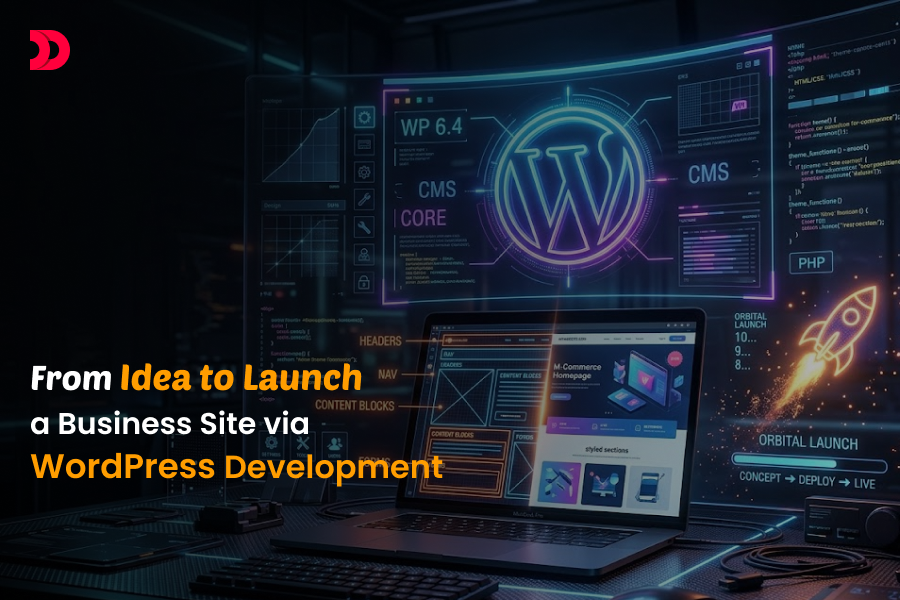
From Idea to Launch a Business Site via WordPress Development

Nobody calls a business before checking their website first. And if the website is slow, cluttered and it’s looks like it has not been touched since 2015, most people just move on to the next option. This is the cruel reality of doing business online today. WordPress development helps businesses avoid that mistake entirely by creating websites that load fast, look professional, and give visitors an actual reason to stay, explore, and reach out.

WordPress forces over 43.4% of all websites widely because it combines flexibility, performance, and ease of management perfectly. With the right WordPress developers, any business idea can become a powerful, lead generating digital platform that works around the clock for your brand.

Why WordPress Is the Right Choice for Business Websites

WordPress is a complete content management system trusted by businesses of all sizes across every industry worldwide.

  • No Technical Knowledge Required –  it can Manage content and pages easily without writing any code
  • Fully Flexible Design –  We can Customize every element to perfectly match your brand identity
  • SEO-Friendly Architecture –  There is Built in structure that search engines crawl and rank effectively
  • Thousands of Plugins Available –  There are Add forms, eCommerce, and advanced features effortlessly
  • Scalable for Business Growth –  Expand functionality easily as your business grows
  • Strong Security Options –  Protect your website and customer data reliably

WordPress is the smartest, most flexible platform for building any professional business website.

Step by Step: From Idea to Live Business Website

A successful WordPress website requires structured process that connects every business goal to each design and development.

Step 1: Define Business Goals

Every website begins with clarity about what the business needs to achieve online.

  • Generate Qualified Leads – It Attract potential clients through strategically placed contact forms
  • Sell Products or Services – in WordPress we build seamless online store that drives consistent revenue
  • Showcase Portfolio Work –  Display case studies that build strong credibility with new visitors
  • Build Brand Authority –  Position your business as trusted industry leader through valuable content
  • Drive Organic Traffic –  It attract targeted visitors directly from search engine results consistently

Clear business goals make every design and development decision more focused and results driven.

Step 2: Plan Your Website Structure

The logical, well organized structure helps visitors find information quickly and helps search engines index all pages effectively.

  • Home Page –  Communicate your brand message clearly with a strong call-to-action
  • About Page –  Share your business story and values that build genuine visitor trust
  • Services Page –  Describe each offering clearly so visitors understand exactly what you provide
  • Blog Section –  Publish valuable content regularly to get constant organic traffic
  • Contact Page –  it’s Provide multiple easy contact options so clients can reach you quickly

A planned structure improves user experience, SEO performance, and overall visitor conversion rates significantly.

Step 3: Design With Users and Conversions in Mind

Professional design guides visitors toward taking action while reflecting your brand identity consistently across every single page.

  • Mobile First Responsive Layout –  Works perfectly across all screen sizes and devices
  • Fast Loading Speed –  Reduces bounce rates and improves overall user experience significantly
  • Clear Call-to-Action Buttons –  Guides visitors strategically toward your key conversion goals
  • Consistent Brand Identity –  Uniform colors and fonts strengthen brand recognition across all pages
  • Intuitive Navigation Structure –  Helps users find information quickly without any confusion

Good design builds trust, engages visitors longer, and drives more business conversions effectively.

Step 4: Create and Customize Your Website

Professional WordPress development services that go beyond basic templates by building custom features tailored specifically to your unique business needs.

  • Custom Theme Development –  The Unique design that perfectly represents your business brand online
  • Plugin Integration –  Powerful tools that enhance website functionality and improve user experience
  • Performance Optimization –  Clean efficient code ensures your website always loads fast
  • Third-Party Integrations –  Connect CRM, payment gateways, and marketing tools seamlessly
  • Cross-Browser Compatibility –  Works flawlessly across all major browsers and operating systems

Professional development creates a unique, high-performing website that supports your specific business goals.

Step 5: Test, Optimize, and Launch

Thorough testing before going live ensures every element performs correctly and delivers an outstanding first impression to every visitor.

  • Domain and Hosting Setup –  Choose a reliable hosting provider and connect your business domain correctly
  • Mobile and Desktop Testing –  Verify all pages display and function perfectly on every device
  • Form and Link Verification –  Confirm every button, form, and link works completely correctly
  • SSL Certificate Installation –  Secure your website and build immediate trust with every visitor
  • Google Analytics Setup –  Track visitor behavior, traffic sources, and conversions from day one
  • Search Console Submission –  Get all pages indexed and ranked on Google significantly faster
  • Post-Launch Maintenance Plan –  Schedule regular updates, backups, and performance checks consistently
  • WordPress Admin Training –  Ensure business owners can confidently manage and update content independently

Careful testing and preparation ensure your website launches confidently and performs strongly immediately.

A good website also requires understanding the website maintenance cost to keep it running well. Get the details here.

Key Features Every Business Website Must Have

FeatureWhy It Matters
Mobile Responsive DesignOver 59.6% of global web traffic comes from mobile devices.
Fast Page Loading SpeedA second delay reduces conversions by up to 20%
SEO Optimized StructureHelps Google crawl and rank your pages higher effectively
SSL Security CertificateProtects visitor data and builds immediate online trust
Lead Capture FormsConverts website visitors into real qualified business inquiries
Analytics IntegrationTracks performance data so you can improve results continuously
Internal Linking StrategyConnects related pages to strengthen SEO and improve navigation

These essential features make your website credible, secure, discoverable, and consistently business-generating.

When to Hire a WordPress Expert

Knowing when to hire a WordPress developer saves significant time, money, and prevents costly technical mistakes from happening later.

  • Launching a New Website –  Get expert guidance from the start to avoid expensive foundational mistakes
  • Redesigning an Old Website –  Modernize your outdated design with experienced professional development support
  • Adding Custom Features –  Implement complex functionality that basic pre-built templates simply cannot support
  • Improving SEO Performance –  Fix all technical issues that are preventing higher Google search rankings
  • Resolving Security Issues –  Address vulnerabilities quickly and professionally to fully protect your business
  • Post-Launch Support Needed –  Get ongoing maintenance, updates, and performance improvements handled professionally

Hiring a WordPress expert ensures your website is built correctly and delivers lasting value.

Final Conclusion

Building a business website with WordPress is a complete journey from defining clear goals to executing a confident and successful launch. Every step follows planning, structure, design, development, testing, and going live, plays a critical role in achieving outstanding real-world results.

Partnering with a trusted WordPress development company gives your business far more than just a website. It delivers a high-performing digital asset that authentically represents your brand, consistently attracts qualified visitors, and actively supports sustainable business growth every single day without exception.

Start building a powerful and scalable WordPress website for your business today. Connect with Devstree IT Solutions and turn your ideas into a high performing website designed for growth, speed, and success.

Unity vs Unreal Engine for VR Apps: Which One Should You Use?

Virtual Reality (VR) is transforming the way people interact with digital environments. From gaming and entertainment to healthcare, education, and real estate, VR applications are becoming more advanced and immersive every year. However, building a successful VR application begins with choosing the right development engine.

Two of the most popular engines for VR development are Unity and Unreal Engine. Both platforms offer powerful tools, strong developer communities, and support for leading VR devices. The challenge for businesses and developers is deciding which one fits their project best.

In this blog, we’ll explore the differences between Unity and Unreal Engine, their strengths, and how to choose the right engine for your VR application.

Understanding Unity for VR Development

Unity is one of the most widely used game development engines in the world. It is especially popular among VR developers because of its flexibility and extensive support for multiple platforms.

Unity uses C# programming, which many developers find easier to learn and work with compared to other programming languages. The engine supports almost every major VR headset, including Meta Quest, HTC Vive, and PlayStation VR. Another major advantage of Unity is its large ecosystem. Developers can access thousands of assets, plugins, and tools through the Unity Asset Store, which helps speed up development.

Businesses planning to build immersive VR applications often partner with a Unity game development company to create scalable and high-performance VR experiences tailored to their industry.

Understanding Unreal Engine for VR Development

Unreal Engine, developed by Epic Games, is known for its high-end graphics and realistic rendering capabilities. It is widely used in AAA games, film production, and advanced simulation projects.

The engine uses C++ for coding but also offers a visual scripting system called Blueprint. This allows developers to build application logic without extensive coding, which can simplify certain development tasks. Unreal Engine excels at delivering cinematic-quality visuals, making it ideal for VR projects that require highly detailed environments and realistic lighting effects.

For industries like architecture, automotive visualization, and training simulations, Unreal Engine often becomes the preferred choice due to its superior graphical performance.

Key Differences Between Unity and Unreal Engine

Although both engines are powerful, they differ in several important aspects.

Ease of Learning

Unity is generally considered easier for beginners. Its C# programming language is simpler to learn, and the platform offers extensive tutorials and documentation. Unreal Engine can be more complex because it uses C++. While Blueprint helps simplify development, advanced customization still requires deeper programming knowledge.

Graphics Quality

Unreal Engine is widely recognized for its advanced rendering capabilities and realistic graphics. It is ideal for projects that require highly detailed environments. Unity also offers excellent graphics but is often preferred for projects where performance optimization and cross-platform support are more important.

Performance and Optimization

Unity is known for being lightweight and efficient, which makes it well suited for mobile VR applications and standalone headsets. Unreal Engine delivers powerful visual performance but may require more resources and optimization for certain VR platforms.

Development Flexibility

Unity supports a wide range of platforms, including mobile devices, AR applications, and VR systems. This makes it a versatile choice for developers who want to expand their projects across multiple platforms. Unreal Engine is particularly strong for high-end PC and console VR experiences.

When to Choose Unity for VR Apps

Unity is often the better choice when you want faster development, cross-platform compatibility, and flexible customization. It is widely used for mobile VR apps, educational simulations, and interactive experiences.

Many companies prefer to Hire Unity developer professionals when they need scalable VR solutions that can run smoothly on different devices.

Unity is also ideal for startups and businesses that want to launch VR applications quickly while keeping development costs manageable.

When to Choose Unreal Engine for VR Apps

Unreal Engine is the right choice when your project requires highly realistic visuals and immersive environments. Industries like architecture, automotive design, and film production often rely on Unreal Engine to create lifelike VR experiences.

Large-scale VR simulations and AAA-level VR games also benefit from Unreal Engine’s advanced rendering and lighting technologies.

Why Hiring the Right VR Development Team Matters

Selecting the right development engine is only one part of building a successful VR application. The experience and expertise of your development team play an equally important role.

An experienced VR app developer understands how to optimize performance, create immersive environments, and integrate VR hardware effectively.

Working with a professional Unity game development company can help businesses streamline the development process and ensure the final product delivers a smooth and engaging user experience.

Conclusion

Both Unity and Unreal Engine are powerful platforms for VR development, but the right choice depends on your project’s goals, budget, and technical requirements. Unity is often preferred for its flexibility, faster development process, and cross-platform support. Unreal Engine stands out for its stunning graphics and realistic visual capabilities.

Before starting your VR project, it is important to evaluate your requirements carefully and collaborate with experienced developers. Whether you plan to build a training simulation, immersive game, or enterprise VR solution, the right engine and development team will play a key role in bringing your vision to life.

How NVIDIA Omniverse Services Power Real Time 3D Collaborate

Introduction

Businesses today need faster collaboration and better tools to handle complex design and development projects. Platforms like NVIDIA Omniverse help teams work together in real time, even when they are in different locations. With NVIDIA Omniverse Services, companies can connect designers, engineers, and developers in one shared workspace where they can view, edit, and improve 3D projects smoothly.

This approach helps teams reduce communication gaps, improve project accuracy, and complete work faster while maintaining strong quality standards across every stage of development.

1. Professional NVIDIA Omniverse Implementation Services

Businesses can adopt NVIDIA Omniverse effectively with expert implementation that connects tools, improves collaboration, and helps teams manage complex 3D projects with better coordination and productivity.

• Dedicated setup tailored to business requirements
• Smooth connection with existing design platforms
• Structured workflow configuration for teams
• Protected collaboration environment for projects
• Reliable support to maintain stable operations

2. How Does NVIDIA Omniverse Help?

NVIDIA Omniverse allows teams to collaborate on complex projects simultaneously, reducing delays and miscommunication. The platform creates a unified workspace that improves efficiency and output quality.

  • Real-time updates let everyone stay informed instantly.
  • Multiple users can edit files together without conflicts.
  • Instant feedback helps reduce errors early in projects.
  • Integrates smoothly with tools your team already uses.
  • Centralized project files make collaboration easier.

By using NVIDIA Omniverse, businesses experience smoother workflows, faster decision-making, and higher-quality outcomes, helping teams stay aligned and productive across every project stage.

3. Why Choose Real-Time 3D Collaboration?

Real-time collaboration enables teams to see updates instantly, making project execution faster and more precise. NVIDIA Omniverse ensures all contributors stay aligned, regardless of location.

  • Teams can see changes and updates immediately.
  • Quick feedback improves communication across departments.
  • Faster approvals help projects move ahead quickly.
  • Version conflicts are minimized with synchronized work.
  • Supports teamwork between designers, engineers, and clients.

This approach boosts productivity, keeps teams engaged, and allows businesses to deliver projects ahead of schedule while maintaining superior quality. Real-time 3D collaboration is a key driver for competitive advantage.

4. What Are The Business Benefits?

Adopting NVIDIA Omniverse provides clear advantages by improving collaboration, communication, and overall project quality. It supports industries like architecture, media, manufacturing, and gaming.

  • Workflows become smoother and more efficient.
  • Accurate simulations support better decision-making.
  • Prototyping and iterations happen faster.
  • Clients receive higher-quality results, boosting satisfaction.
  • Resources are managed more effectively across teams.

Businesses using NVIDIA Omniverse see tangible results: fewer mistakes, faster output, and better client engagement, all of which directly contribute to business growth.

5. How Can NVIDIA Omniverse Save Costs?

NVIDIA Omniverse helps companies cut operational expenses while improving efficiency. Streamlined workflows, fewer mistakes, and faster project completion create measurable savings.

  • Reduces delays and errors, saving time.
  • Less rework means lower operational costs.
  • Faster project delivery improves overall efficiency.
  • Teams can focus on creative and high-value tasks.
  • Streamlined processes reduce unnecessary resource use.

By saving time and resources, NVIDIA Omniverse proves to be a smart investment, allowing teams to focus on innovation and creativity rather than repetitive corrections.

6. Which Services Support NVIDIA Omniverse?

Choosing the right service partner ensures smooth implementation. Companies offering NVIDIA Omniverse services in UK provide guidance, technical support, and workflow customization.

  • Expert support ensures smooth setup and integration.
  • Custom NVIDIA Omniverse services in London for your business.
  • Employee training helps teams adopt quickly.
  • Continuous technical assistance prevents workflow disruptions.
  • Workflow optimization maximizes productivity and ROI.

With expert guidance, businesses can fully leverage NVIDIA Omniverse, ensuring smooth adoption and maximum returns from their investment.

7. How To Optimize Workflow Faster?

NVIDIA Omniverse transforms workflows by enabling instant updates, synchronized collaboration, and efficient communication. Teams complete projects faster, and collaboration becomes more precise and creative.

  • Real-time updates keep teams aligned and informed.
  • Clear 3D visualization makes complex designs easier.
  • Instant feedback speeds up problem-solving.
  • Better coordination between remote and local teams.
  • Standardized processes ensure consistency across projects.

Optimized workflows reduce repetitive tasks, allowing teams to focus on innovation and high-quality results. This directly improves business efficiency and project delivery.

Key Advantages of NVIDIA Omniverse for Businesses

FeatureBenefitBusiness Impact
Real-Time CollaborationMultiple users edit simultaneouslyFaster project completion and fewer errors
3D VisualizationAccurate modeling and simulationImproved decision-making and product quality
Cost EfficiencyStreamlined workflowsReduced operational and resource costs
Expert ServicesTailored support and trainingSmooth adoption and measurable ROI
Secure EnvironmentControlled access and encryptionProtects intellectual property and sensitive data

8. Future-Proofing With NVIDIA Omniverse

NVIDIA Omniverse offers scalable solutions that grow with your business. Teams stay productive as projects expand in size and complexity.

  • Scalable platform for growing teams, expand without losing efficiency.
  • Compatible with multiple tools, works with your existing workflow.
  • Maintains efficiency across large projects, prevents delays and confusion.
  • Provides secure, future-ready workflows, protects data and intellectual property.

Investing in NVIDIA Omniverse ensures businesses stay ahead of industry trends while maintaining long-term competitiveness.

Conclusion

Real time collaboration and accurate 3D visualization are becoming essential for modern businesses. Platforms like NVIDIA Omniverse help organizations streamline workflows, improve communication between teams, and deliver better results in less time.

If your business wants to adopt this technology successfully, partnering with the right experts is important. Devstree IT Solutions provides reliable NVIDIA Omniverse Services that help businesses implement, customize, and optimize the platform for better productivity and innovation.

Ready to improve your workflow and collaboration? Connect with Devstree IT Solutions today and explore how NVIDIA Omniverse can transform your business operations.

Shopify Development Cost in UK: Pricing, Examples & Hidden Cost

Creating an online store is one of the most important steps for any business in the UK. Shopify is a preferred platform due to its security, flexibility, and scalability, but understanding the Shopify Development Cost upfront ensures businesses can plan budgets and avoid unexpected expenses.

The final cost depends on design complexity, custom features, integrations, and developer expertise. By knowing pricing structures, typical examples, and hidden costs, companies can make informed decisions and build scalable online stores that drive growth and revenue.

Key Elements That Affect Shopify Development Cost

Several practical factors influence the total cost of building a Shopify store. Understanding these elements early helps businesses plan budgets better and avoid unexpected development expenses during the project.

• More products in the store increase setup work
• Unique themes require extra design and coding
• Third party tools add technical work
• Payment setup may need additional configuration
• Multiple languages or currencies expand the project
• Speed and mobile improvements raise development effort

Early evaluation of these elements ensures a realistic budget and smooth development process.

Shopify Store Types and Cost Overview

Different types of Shopify stores require different levels of design, features, and technical work. The overall cost usually depends on the store size, customization needs, and the complexity of the project.

• Small stores usually use ready made themes
• Growing brands need some customization and apps
• Large businesses prefer fully customized Shopify stores
• Enterprise brands often choose Shopify Plus solutions
• Global stores may require multi store setup

Choosing the right type of store ensures businesses only pay for what they need.

Shopify Development Pricing Table

Looking at common pricing ranges can help businesses understand how much Shopify development usually costs. These estimates also help compare different store types based on their features and development timelines.

Store TypeEstimated CostTypical Timeline
Basic Store£800 – £3,5001–2 weeks
Business Store£3,500 – £7,5002–4 weeks
Custom Shopify Store£7,500 – £15,0004–8 weeks
Shopify Plus Enterprise£15,000 – £40,000+2–4 months

Custom Shopify projects usually involve more advanced features, integrations, and personalized design, which can increase the overall development cost.

Unexpected Expenses Businesses Commonly Miss

Many businesses only consider the initial development cost and overlook additional expenses. These hidden costs can appear during or after launch, so understanding them early helps maintain a realistic project budget.

• Paid themes can increase the initial budget
• App subscriptions add monthly expenses
• Transaction fees apply to every payment
• Security and maintenance require regular spending
• Product photos and content creation cost money
• Marketing and SEO need additional investment

Knowing these costs helps businesses calculate the true Shopify Development Cost and maintain long-term stability.

Advantages of Working with Skilled Shopify Developers

Experienced Shopify developers bring technical knowledge and practical insights to the project. Their expertise helps build stable, secure, and high performing online stores that support long term ecommerce growth.

• Faster development helps launch the store quickly
• Better code improves website performance
• Safe integrations keep external tools stable
• Expert advice improves store structure
• Ongoing support helps after launch
• Complex problems are solved efficiently

Hiring experienced developers ensures higher quality, smoother project execution, and reliable store performance.

Benefits of Tailored Shopify Development

Custom Shopify development helps businesses create a unique online store that reflects their brand identity. It also provides flexibility to add specific features and improve the shopping experience for customers.

• Unique design builds a strong brand identity
• Large product catalogs become easier to manage
• Business tools connect smoothly with the store
• Faster pages improve mobile shopping experience
• Customer data helps understand buying behavior
• Flexible structure supports future growth

Investing in custom solutions enhances user engagement, boosts sales, and supports long-term business objectives.

How Shopify Development Supports Business Growth

A well developed Shopify store improves customer experience, increases trust, and helps businesses grow online. Proper development ensures smooth navigation, faster performance, and better conversion opportunities for online shoppers.

• High speed page loading keeps shoppers interested on the website
• A responsive layout allows smooth shopping on phones and tablets
• Managing products becomes easier for store owners with simple tools
• Protected payment process helps customers feel safe while purchasing
• Better website structure helps stores appear in search engine results
• Future upgrades become easier with a flexible store framework

Businesses benefit from higher conversions and stronger online presence with professional Shopify development.

Selecting the Ideal Shopify Development Team

Choosing the right Shopify development team is an important decision for any ecommerce project. A skilled team ensures reliable development, clear communication, and proper guidance throughout the entire store creation process.

• Strong experience shows technical expertise
• Real project results prove the team has practical experience
• Open and honest pricing keeps the project clear for businesses
• Reliable systems ensure secure stores
• Regular support keeps the store updated
• Smooth communication improves collaboration

Many companies prefer to Hire Shopify Developer services from experienced teams for reliability and expert guidance.

How to Optimize Shopify Development Cost

Managing Shopify development costs effectively requires proper planning and smart decision making. Businesses that focus on essential features and clear budgets can control expenses while still building a strong online store.

• Clear planning keeps the budget under control
• Essential features reduce unnecessary spending
• Ready themes can lower design cost
• Smart app selection avoids extra charges
• Fixed pricing helps control expenses
• Regular progress checks prevent delays

These steps help businesses control their Shopify Development Cost while ensuring high-quality results.

Why Partner With the Best Shopify Development Company in UK

Working with a trusted Shopify development company gives businesses access to experienced professionals, structured development processes, and reliable support that helps create scalable and high performing ecommerce stores.

• Long term strategy supports business growth
• Brand focused design improves store identity
• Reliable integrations connect key tools
• Strong performance keeps the site fast
• Continuous updates maintain stability
• Scalable setup supports future expansion

Choosing the Best Shopify Development Company in UK ensures businesses get reliable, high-performing, and scalable online stores.

Conclusion

Understanding cost factors, hidden expenses, and project requirements allows businesses to plan Shopify projects effectively. A professional approach ensures scalable stores, better sales, and strong user experience.

Partnering with Devstree IT Solutions delivers tailored Shopify development, helping UK businesses create optimized, reliable, and growth-oriented online stores. With expert guidance, companies achieve long-term success and improved customer satisfaction.