Chat on WhatsApp

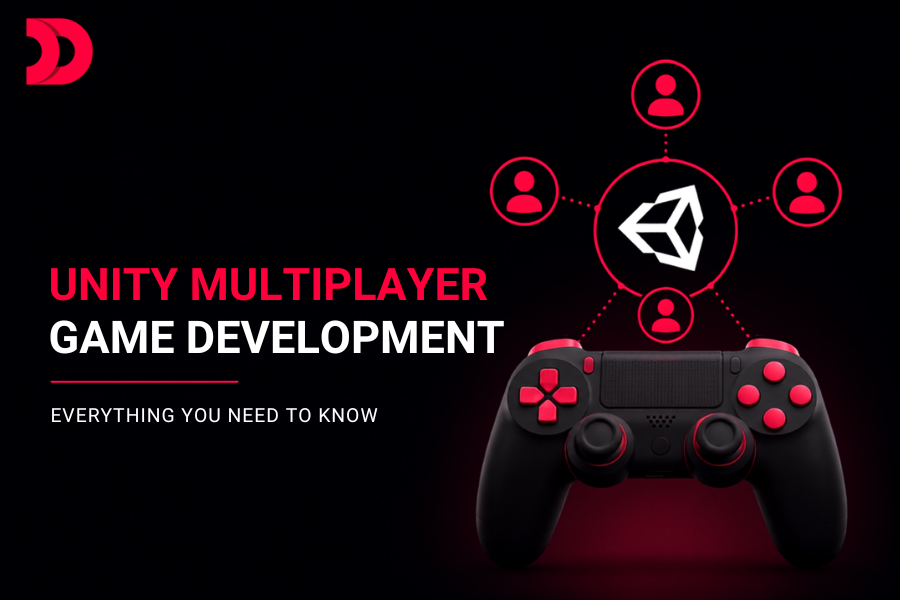
Unity Multiplayer Game Development: Everything You Need to Know

Multiplayer gaming has become one of the biggest trends in the gaming industry, with players expecting real time interactions, seamless matchmaking, and cross platform gameplay. Unity offers the tools and flexibility needed to build engaging multiplayer games for mobile, PC, consoles, AR, and VR platforms. Whether you are a startup, gaming studio, or enterprise, partnering with an experienced Unity game development company ensures your multiplayer game is scalable, secure, and designed for long term success.

What Is Unity Multiplayer Game Development?

Unity multiplayer game development is the process of creating games that allow multiple players to connect and interact online in real time. These games rely on networking technologies, cloud servers, and backend systems to synchronize gameplay, manage player data, and deliver a smooth gaming experience across different devices.

Unlike single player games, multiplayer games require robust server architecture, matchmaking systems, player authentication, anti cheat mechanisms, and real time communication. Professional Unity game development services ensure all these components work together efficiently while maintaining excellent performance.

Why Unity Is the Best Choice for Multiplayer Games

Unity has become one of the most popular game engines because of its flexibility, extensive feature set, and support for multiple platforms.

Some of its biggest advantages include:

  • Cross platform development
  • High quality 2D and 3D graphics
  • Flexible multiplayer networking
  • Cloud integration
  • Large Asset Store
  • Strong developer community
  • Faster development cycles
  • Continuous engine updates

These benefits make Unity suitable for indie developers as well as Enterprise Unity game development projects that require scalability and reliability.

Types of Multiplayer Games You Can Build with Unity

Unity supports a wide variety of multiplayer game genres.

Battle Royale Games

Large scale competitive games where hundreds of players fight to become the last survivor.

MMO Games

Massively Multiplayer Online games allow thousands of players to interact within a persistent virtual world.

MOBA Games

These strategy based games require advanced networking, low latency, and real time synchronization.

Sports Games

Online football, cricket, racing, tennis, and other multiplayer sports games can all be developed using Unity.

Casual Multiplayer Games

Card games, board games, puzzle games, quiz apps, and party games continue to attract millions of players worldwide.

Co Operative Games

Players work together to complete missions, solve challenges, or survive against AI controlled enemies.

Essential Features of a Multiplayer Unity Game

Successful multiplayer games provide more than just exciting gameplay. They also deliver a reliable and engaging player experience.

Some essential features include:

  • Real time multiplayer gameplay
  • Player matchmaking
  • Voice and text chat
  • Friend system
  • Leaderboards
  • Achievements
  • Cloud save
  • Cross platform support
  • Anti cheat protection
  • In game purchases
  • Live events and updates
  • Push notifications

Experienced Unity game developers know how to implement these features while maintaining excellent game performance.

Unity Multiplayer Game Development Process

Developing a multiplayer game requires careful planning and technical expertise.

  1. Requirement Analysis

The project begins with understanding business goals, game concept, target audience, monetization strategy, and supported platforms.

  1. Game Design

Designers create characters, game environments, levels, UI, gameplay mechanics, and multiplayer interactions.

  1. Multiplayer Architecture

Developers choose the right networking model, server infrastructure, cloud platform, and database based on project requirements.

  1. Game Development

This stage includes gameplay programming, networking implementation, backend development, AI integration, animations, and multiplayer synchronization.

  1. Quality Testing

The game is tested under different network conditions to identify bugs, latency issues, synchronization problems, and security vulnerabilities.

  1. Deployment

The finished game is deployed to Android, iOS, PC, consoles, WebGL, or VR platforms.

  1. Post Launch Support

Regular updates, server monitoring, bug fixes, and new content help maintain player engagement.

Working with a reliable Unity multiplayer development company ensures every development stage is managed professionally.

Technologies Used in Unity Multiplayer Development

Modern multiplayer games rely on multiple technologies working together.

Common technologies include:

  • Unity Engine
  • C#
  • Photon Fusion
  • Unity Netcode
  • Mirror Networking
  • PlayFab
  • Firebase
  • AWS
  • Microsoft Azure
  • Google Cloud Platform
  • PostgreSQL
  • MongoDB
  • Redis
  • Docker
  • Kubernetes

Selecting the right technology stack depends on your game type, expected player base, and future scalability.

Read more – Why Choose Unity 3D for Game Development Project?

Benefits of Custom Unity Multiplayer Game Development

Every gaming business has different goals, target audiences, and monetization strategies. Generic solutions often fail to meet these unique requirements.

With Custom Unity multiplayer game development, businesses can benefit from:

  • Unique gameplay experiences
  • Better scalability
  • Personalized features
  • Improved security
  • Flexible monetization
  • Faster future upgrades
  • Complete ownership of the game
  • Better return on investment

Custom development also makes it easier to integrate AI features, analytics, cloud gaming, and advanced player engagement tools.

Why Businesses Choose to Outsource Unity Game Development

Hiring and managing a full in house development team can be expensive and time consuming. That is why many companies prefer to Outsource Unity game development to experienced professionals.

Some key benefits include:

  • Reduced development costs
  • Faster project delivery
  • Access to experienced developers
  • Flexible team scaling
  • Latest development practices
  • Lower operational expenses
  • Dedicated project management
  • Long term technical support

Partnering with a trusted Unity game development agency allows businesses to focus on growth while experts handle development.

How to Hire Unity Multiplayer Developers

The success of your multiplayer game depends heavily on the expertise of your development team.

When you Hire Unity multiplayer developers, consider the following factors:

  • Experience with multiplayer networking
  • Portfolio of successful Unity games
  • Knowledge of cloud infrastructure
  • Expertise in server optimization
  • Cross platform development experience
  • Security implementation skills
  • Transparent communication
  • Post launch maintenance services

Choosing the right team reduces development risks and ensures a better player experience.

Why Choose DevsTree for Unity Multiplayer Game Development?

DevsTree is a trusted Unity multiplayer development company delivering innovative gaming solutions for startups, enterprises, and gaming studios worldwide. Our team provides complete Unity multiplayer game development services, from game design and multiplayer architecture to backend development, testing, deployment, and ongoing support.

Whether you need casual multiplayer games, competitive online titles, VR experiences, or enterprise gaming solutions, our skilled Unity game developers create secure, scalable, and engaging games tailored to your business goals. If you are looking to Hire Unity multiplayer developers, DevsTree combines technical expertise, creative thinking, and industry best practices to turn your vision into a successful multiplayer game.

Conclusion

The demand for multiplayer games continues to grow as players seek interactive, social, and competitive gaming experiences across multiple platforms. Building a high quality multiplayer game requires the right technology, experienced developers, and a scalable architecture that supports long term growth.

Whether you need Custom Unity multiplayer game development, want to Outsource Unity game development, or are searching for a reliable Unity game development company, investing in expert Unity game development services can help you launch a successful multiplayer game that keeps players engaged and drives business growth.
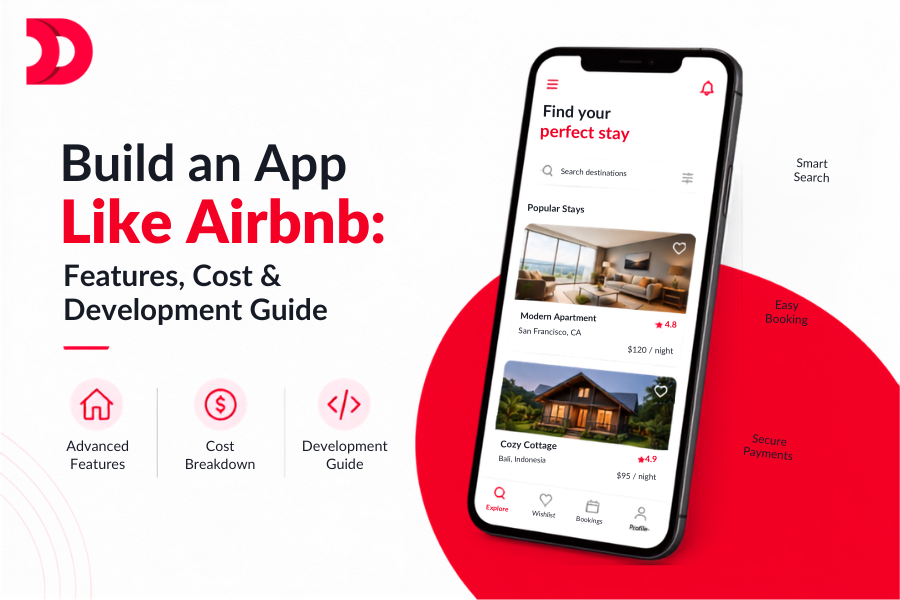
Build an App Like Airbnb: Features, Cost & Development Guide (2026)

Globally, the travel and property sectors have witnessed massive shifts in recent years. Changing geopolitical situations, struggling yet firm economies, and the growing demand for hyper-personaised stays have brought growth opportunities for digital property platforms. Whether you are a UK-based entrepreneur or a property aggregator looking to capture market share, it is essential to create an iOS, Android, or cross-platform app.

This custom platform can bring an exceptionally lucrative opportunity as you can launch a niche marketplace or build a high-scale platform. It is, however, necessary to build a robust, two-sided ecosystem to make apps like Airbnb successful. Mobile app development companies need to make a user-friendly interface and maintain a balance between innovation and implementation of features. This guide talks about the necessary features and costs of such apps.

Before digging deeper, let’s go through the scope and opportunities for rental marketplaces in the year 2026 and beyond. It will assist you to understand why this is the right time to create housing rental app ecosystems.

Rental Marketplaces- Opportunities You Need to Know

The vacation and property rental sector has opened the doors for new players globally. Market segmentation has created opportunities for people who are in business of eco-conscious stays, luxury rural escapes, mid-term corporate letting, and even pet-friendly travels. Building a custom vacation rental app enables founders to target these niches.

Tailored user experiences, dynamic localised pricing, and bespoke mechanisms can make this app popular among your target audiences. Dedicated expert app developers can help you capture loyal user bases rapidly through advanced mobile applications to drive growth.

Core Features of Apps like Airbnb

A marketplace like AIrbnb depends on three interconnected modules- the Guest Interface, the Host Management portal, and the Central Administrative Engine. The Central Engine controls and manages both the Guest Interface and Host Management portal.

  1. The Guest Interface

Modern users or customers expect natural language search capability in the vacation rental app. AI-powered search and vector filtering can analyze user intent beyond rigid criteria. Developers integrate mapping APIs into the app to enable real-time neighbourhood insights and walkability scores. It is essential to support multicurrency transactions and add split payment mechanisms using the Stripe Connect platform.

Finally, biometric verification, automated ID scanning, and other security features can make the app highly popular and trustworthy.

The Host Portal

This portal has an intelligent property listing module. AI vision can categorise property photos and draft optimised listing descriptions automatically in guided onboarding workflows. Machine learning algorithms can adjust nightly rates according to local event signals and seasonal demand partners. The portal should be capable of real-time synchronisation across property management channels to avoid double-bookings.

Some advanced host management portals have intelligent auto-responders with automated check-in instructions to streamline operations.

The Enterprise Console

It includes a real-time financial dashboard for detailed monitoring of Gross Booking Value (GBV), platform commission splits, and tax compliance. It detects illegitimate listings, fake reviews, and off-platform payment attempts automatically. This is essential for fraud prevention. The console has an inbuilt dispute resolution workflow. It has integrated ticketing systems that enable platform managers to mediate guest-host disputes efficiently.

It is better to consult mobile app development companies to build such a robust solution on the most suitable platform.

How to Choose the Right Platform from Native and Cross-Platform

This is one of the most critical decisions CTOs and product owners have to take as per their target audience. It is essential to consider whether you want to create an iOS, Android, or cross-platform app when making a roadmap for digital business.

Here is a quick table showing the characteristics of native and cross-platform ecosystems.


Metric/Aspect

Native App Development (Swift/Kotlin)

Cross-Platform App Development (Flutter/React Native)

Time-to-Market

Slower Faster

UI/UX Performance

Maximum hardware optimization Highly fluid, near-native performance
Development Cost Higher capital expenditure necessary

Cost-efficient and single codebase management

Ideal Use Case Complex, hardware-heavy platforms

Recommended for MVPs


This table can help you select the right platform for your app like Airbnb. Most startups and enterprise ventures, these days, prefer cross-platform frameworks like Flutter or React Native. This is because these frameworks offer an excellent balance between cost and development duration. It is, however, better to contact a reputable mobile app development company in the UK to get the right advice and assistance.

Development Cost Estimates for Building Apps like Airbnb

The overall cost of app development like Airbnb depends on several factors including platform complexity, integration density, and the geographic location of your app development team. We can classify a commercial-grade marketplace like Airbnb into three main tiers in the UK market.

MVP Development (£35,000 – £60,000)

Timeline: 3 to 5 Months

Scope: Core guest search, basic host listing creation, standard payment gateway integration, basic reviews, and a light admin panel. This version is perfect for validating a niche market idea.

Feature-Rich Custom Platform Development (£60,000 – £120,000)

Timeline: 5 to 8 Months

Scope: Advanced mutli-criteria search, dynamic map views, real-time in-app chat, instant booking, multicurrency support, and comprehensive admin analytics.

Enterprise AI-Native Marketplace (£120,000 – £250,000+)

Timeline: 8 to 14+ Months

Scope: Vector natural language search, AI-powered property onboarding, automated identity verification, multilanguage support, custom CRM integrations, and high-concurrency microservices cloud architecture.

You can either start with an MVP or a custom app platform depending on your business objectives and other requirements.

Why to Select the RIght UK Software Engineering Partner

Many mobile app development companies offer services to build apps like Airbnb. It is essential to consider several aspects while choosing the right partner. Navigating regulatory mandates, fiancial security standards, and high consumer expectations in the UK market are some of the key factors you should keep in mind. You can collaborate with a reputable app development company in the UK to address these aspects and gain the advantage of localised insights.

When evaluating potential technical partners, you should look for end-to-end mobile app development solution providers. Your app development partner should be capable of handling initial product discovery, custom engineering, cloud architecture management, and even post-launch optimisation with maintenance. DevsTree UK is a leading mobile app development company in the UK that gives you advanced app solutions at competitive rates.

Concluding Remarks

Building a vacation rental app or accommodation platform requires the combination of innovative value proposition with seamless technical execution. You need to focus on user experience and workflow automation in all three modules of your app. The selection of a right platform is also essential to make your application successful. Finally, you can choose the right development partner to build your feature-rich digital asset for growing business.

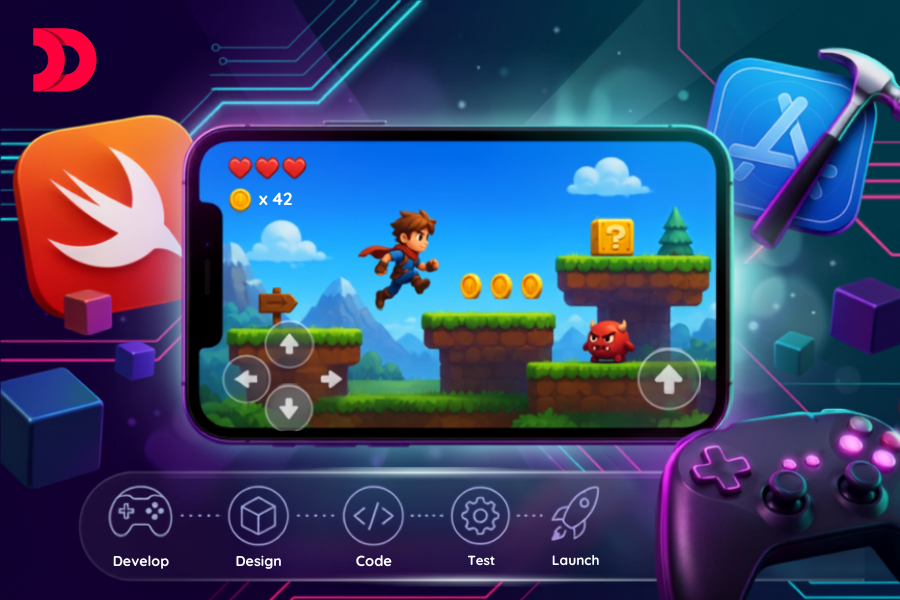
iOS Game Development: Everything You Need to Know

The mobile gaming industry continues to grow at an impressive pace, and iOS remains one of the most profitable platforms for game developers. With millions of active iPhone and iPad users worldwide, businesses have an excellent opportunity to reach a premium audience that actively spends on mobile games. From casual puzzle games to multiplayer experiences and immersive 3D adventures, iOS offers a powerful ecosystem for creating high quality gaming applications.

Whether you are a startup with a unique game idea or an established gaming company planning your next release, understanding the complete iOS game development process is essential. Partnering with an experienced iOS game app development company helps you build a secure, engaging, and scalable game that delivers an outstanding user experience. This guide covers everything you need to know about iOS game development, including the development process, essential features, technologies, development costs, and future trends.

Why Choose iOS for Game Development?

Apple has built one of the strongest mobile ecosystems in the world. iPhone and iPad users are known for high engagement levels and a greater willingness to spend on premium games and in app purchases. This makes iOS an attractive platform for businesses looking to maximize revenue.

The App Store also maintains high quality standards, giving users greater confidence when downloading games. Developers benefit from Apple’s optimized hardware, powerful graphics capabilities, and advanced development tools that help create smooth and visually appealing gaming experiences.

Some of the biggest advantages of iOS game development include:

  • High revenue potential
  • Strong user engagement
  • Secure application ecosystem
  • Optimized device performance
  • Premium user experience
  • Global market reach
  • Types of iOS Games You Can Develop

The gaming industry offers countless opportunities for businesses and independent developers. Choosing the right game category depends on your target audience, budget, and long term business goals.

Popular game categories include:

Casual Games
Simple gameplay mechanics with quick sessions that appeal to a broad audience.

Puzzle Games
Games that challenge users with logical thinking, strategy, and problem solving.

Adventure Games
Story driven experiences that combine exploration, challenges, and interactive gameplay.

Action Games
Fast paced games featuring combat, racing, or survival mechanics.

Multiplayer Games
Games that allow players to compete or collaborate online with others in real time.

Educational Games
Learning based games designed for children, students, and professional training.

Simulation Games
Games that recreate real life experiences such as farming, business management, or city building. An experienced iOS game app development company can recommend the right game type based on your audience and business objectives.

Essential Features of a Successful iOS Game.

Modern mobile games require much more than attractive graphics. Players expect engaging gameplay, seamless performance, and interactive features that encourage long term retention.

Important features include:

  • User registration
  • Player profiles
  • Cloud save functionality
  • Leaderboards
  • Achievements
  • Multiplayer support
  • Push notifications
  • In app purchases
  • Reward systems
  • Social media integration
  • Real time chat
  • Offline gameplay support

These features improve user engagement while increasing player retention and monetization opportunities.

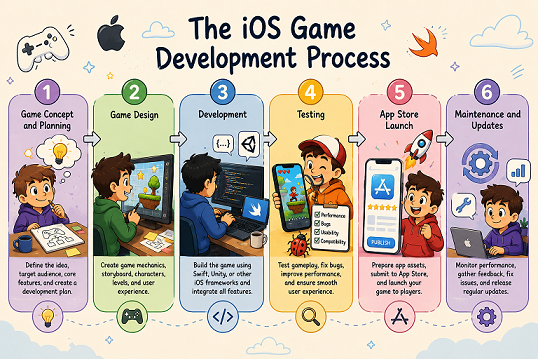
The iOS Game Development Process

Building a successful game requires careful planning, creative design, and technical expertise. Following a structured development process helps reduce risks and improve the final product.

1. Game Concept and Planning
Every successful game begins with a clear concept. During this stage, developers define the gameplay mechanics, target audience, storyline, monetization strategy, and technical requirements. Proper planning reduces future development challenges and helps maintain project timelines.

2. Game Design
The design phase focuses on creating visual assets, character designs, game environments, animations, sound effects, and user interfaces.
A visually appealing design plays a major role in attracting and retaining players.

3. Development
Developers build the game mechanics, integrate graphics, implement controls, develop multiplayer functionality, and optimize performance across supported Apple devices. Professional iOS game app development requires close collaboration between designers, developers, artists, and testers throughout this phase.

4. Testing
Before launch, the game undergoes extensive testing to identify bugs, improve stability, optimize performance, and ensure compatibility across different iPhone and iPad models.

Testing includes:

  • Functional testing
  • Performance testing
  • Device compatibility testing
  • Security testing
  • Multiplayer testing
  • User experience testing

5. App Store Launch
Once testing is complete, the game is submitted to the Apple App Store for review. Developers also prepare marketing assets, screenshots, promotional videos, and descriptions to maximize downloads.

6. Maintenance and Updates
Launching a game is only the beginning. Regular updates introduce new levels, characters, events, and gameplay improvements while fixing bugs and maintaining player engagement.

Technologies Used for iOS Game Development

Choosing the right technology stack significantly impacts game performance and scalability. Modern game development combines advanced programming languages, engines, and cloud services. Popular technologies include:

Programming Languages

  • Swift
  • Objective C
  • C++

Game Engines

  • Unity
  • Unreal Engine
  • SpriteKit
  • SceneKit

Backend Technologies

  • Node.js
  • ASP.NET Core
  • Firebase

Cloud Platforms

  • AWS
  • Microsoft Azure
  • Google Cloud

The technology stack depends on the complexity of your game and the desired gameplay experience.

Cross Platform Development for Games

Many businesses want their games available on both iOS and Android without maintaining separate codebases. Cross-platform development has become a popular solution for reducing development costs and accelerating product launches.

Benefits of cross platform development include:

  • Faster development
  • Reduced project costs
  • Easier maintenance
  • Consistent gameplay
  • Simultaneous platform releases
  • Shared codebase

Frameworks like Unity make it possible to create games that perform well across multiple mobile platforms while maintaining high visual quality.

Read more- How Much Does It Cost to Develop a Mobile Game in 2026?

Monetization Strategies for iOS Games

Generating revenue requires selecting the right monetization strategy based on your target audience and game category.
Popular monetization models include:

  • Premium game purchases
  • In app purchases
  • Reward based advertising
  • Subscription plans
  • Seasonal content
  • Battle passes
  • Virtual currencies
  • Cosmetic upgrades

A balanced monetization strategy increases revenue without negatively affecting player experience.

How Much Does iOS Game Development Cost?

Understanding the cost of iOS game development is one of the most important considerations before starting your project. The overall investment depends on several technical and business factors rather than a fixed price.

  • Major cost factors include:
  • Game complexity
  • Graphics quality
  • Number of levels
  • Multiplayer functionality
  • Custom animations
  • AI integration
  • Backend infrastructure
  • Cloud services
  • Testing requirements
  • Ongoing maintenance

Simple casual games require significantly lower budgets than advanced multiplayer games featuring 3D graphics, real time interactions, and custom game engines. Working with an experienced iOS game app development company helps businesses estimate project costs accurately while avoiding unnecessary development expenses.

Why Hire Professional iOS Game Developers?

Game development requires expertise across multiple disciplines, including programming, animation, game design, backend development, user experience, and quality assurance.
Businesses choosing to Hire iOS game developer teams gain access to specialists who understand every aspect of successful game development.
Professional developers provide:

  • Game strategy consultation
  • Custom game design
  • Performance optimization
  • Multiplayer integration
  • App Store deployment
  • Security implementation
  • Continuous maintenance
  • Feature enhancements

Experienced developers also ensure your game meets Apple’s quality guidelines and performs smoothly across supported devices.

Best Practices for Successful iOS Game Development

Following industry best practices improves user satisfaction while increasing long term success. Recommended practices include:

  • Focus on intuitive gameplay
  • Optimize graphics without sacrificing performance
  • Reduce loading times
  • Provide regular updates
  • Include player feedback systems
  • Balance monetization carefully
  • Prioritize security
  • Test across multiple devices

Businesses investing in high quality iOS game app development often achieve stronger user retention and higher App Store ratings.

Future Trends in iOS Game Development

The gaming industry continues to evolve rapidly with new technologies creating exciting opportunities for developers and businesses.
Emerging trends include:

  • Artificial Intelligence powered gameplay
  • Augmented Reality gaming
  • Cloud gaming
  • Blockchain integration
  • Virtual Reality experiences
  • Cross platform multiplayer
  • Advanced game analytics
  • Personalized gaming experiences

Developers who embrace these innovations will be better positioned to create engaging and competitive gaming applications.

Choosing the Right iOS Game Development Partner

Selecting the right development company plays a significant role in your project’s success. Beyond technical skills, businesses should choose a partner that understands their vision, target audience, and long term business goals.

When evaluating an iOS game app development company, consider:

  • Portfolio of published games
  • Experience with different game genres
  • Technical expertise
  • UI and UX capabilities
  • Communication process
  • Post launch support
  • Transparent pricing
  • Quality assurance process

Choosing the right partner reduces development risks while improving the overall quality of your game.

Conclusion

The demand for high quality mobile games continues to grow, making now an excellent time to invest in iOS game development. From casual games to complex multiplayer experiences, the Apple ecosystem offers businesses an outstanding platform to reach engaged users and generate sustainable revenue.

Whether you are planning a new gaming startup or expanding your existing portfolio, partnering with a trusted iOS game app development company is essential for long term success. Professional iOS game app development services ensure your game is visually impressive, technically robust, and optimized for the latest Apple devices.

If you are looking to Hire iOS game developer professionals, choosing experienced experts with knowledge of Cross-platform development can help reduce costs while expanding your audience. By understanding the cost of iOS game development and following the right development strategy, you can create a successful mobile game that delivers exceptional experiences and long term business growth.

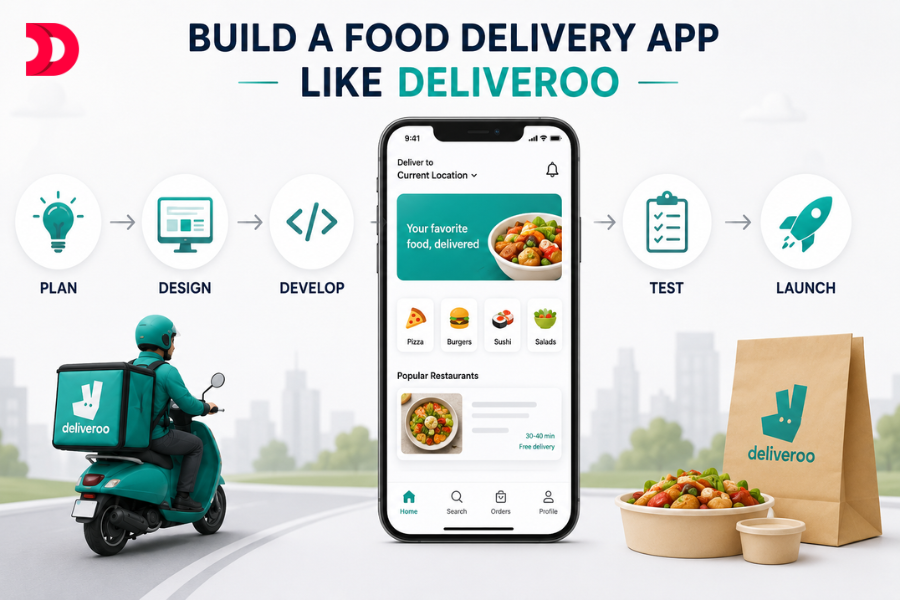
How to Build a Food Delivery App Like Deliveroo?

Food delivery apps have transformed the way people order meals, making convenience a top priority for customers and restaurants alike. Businesses looking to enter this growing market have an excellent opportunity to create a scalable platform that connects users, restaurants, and delivery partners through a seamless digital experience.

If you’re planning to make an app like Deliveroo, understanding the development process, essential features, technology stack, and overall app development cost is crucial. In this guide, we’ll explain everything you need to know to Build a Food Delivery App that is secure, scalable, and ready for long term success.

Why Invest in a Food Delivery App?

The online food delivery industry continues to experience rapid growth as customers increasingly rely on mobile apps for ordering meals. Restaurants also benefit by reaching more customers without expanding their physical locations.

A well designed food delivery application helps businesses:

  • Increase online orders
  • Improve customer loyalty
  • Expand market reach
  • Generate recurring revenue
  • Simplify restaurant management
  • Enhance delivery operations

Partnering with the right mobile app development company ensures your platform is built with the latest technologies and follows industry best practices.

Step 1: Define Your Food Delivery Business Model

Before development begins, you need to decide which business model best suits your goals. Your revenue model will influence app features, development complexity, and long term scalability.

Popular food delivery models include:

Restaurant to Customer

Restaurants manage food preparation and delivery using their own staff.

Aggregator Model

The platform connects customers with multiple restaurants while restaurants handle deliveries.

Full Service Marketplace

The platform manages restaurants, customers, and delivery partners, similar to Deliveroo.

Choosing the right business model is the first step to successfully Develop Food Delivery App solutions that meet market demands.

Step 2: Research Your Target Audience

Understanding customer expectations helps you build features that solve real problems. Research your local market, competitors, and user preferences before creating your product roadmap.

Questions to consider include:

  • What cuisines are most popular?
  • Which payment methods do users prefer?
  • How important is live order tracking?
  • Are subscriptions or loyalty programs in demand?
  • What delivery times do customers expect?

This research helps create a user focused application that stands out from competitors.

Step 3: Include Essential Features for Customers

Customers expect a fast, simple, and secure ordering experience. Your application should make it easy to browse restaurants, place orders, and track deliveries.

Core customer features include:

  • User registration
  • Restaurant search
  • Smart filters
  • Food categories
  • Menu browsing
  • Cart management
  • Multiple payment options
  • Live order tracking
  • Push notifications
  • Ratings and reviews
  • Order history
  • Customer support

These features create a smooth user experience and encourage repeat orders.

Step 4: Build a Dedicated Restaurant Dashboard

Restaurant owners need tools that simplify order management and improve operational efficiency. A Dedicated Restaurant App enables restaurants to manage their business directly from mobile devices.

Restaurant features include:

  • Restaurant profile management
  • Digital menu updates
  • Order management
  • Inventory monitoring
  • Business analytics
  • Delivery status updates
  • Customer communication
  • Promotions and discounts
  • Revenue reports

A powerful restaurant dashboard helps partners manage daily operations more efficiently while improving customer satisfaction.

Read more- How to Estimate the cost of a food delivery app like Just eat?

Step 5: Create a Delivery Partner Application

Delivery executives play a critical role in ensuring fast and reliable service. Their application should provide all the information needed to complete deliveries efficiently.

Driver app features include:

  • Secure login
  • Order notifications
  • Route optimization
  • GPS navigation
  • Earnings dashboard
  • Delivery history
  • Availability settings
  • Customer communication
  • Proof of delivery

An efficient delivery application reduces delays and improves overall platform performance.

Step 6: Choose the Right Technology Stack

Selecting modern technologies ensures your application remains scalable, secure, and easy to maintain as your business grows.

Popular technologies include:

Frontend

  • Flutter
  • React Native

Backend

  • Node.js
  • Laravel
  • ASP.NET Core

Database

  • PostgreSQL
  • MongoDB
  • MySQL

Cloud Services

  • AWS
  • Microsoft Azure
  • Google Cloud

Working with the best app developers helps you select technologies that align with your business requirements and future expansion plans.

Step 7: Develop Android and iOS Applications

Most customers use either Android or iPhone devices, making support for both platforms essential. Businesses often choose cross platform development to reduce costs while reaching a larger audience.

Development options include:

Android App Development

Android app development helps businesses reach millions of smartphone users while offering flexibility across various devices and screen sizes.

iOS App Development

iOS app development provides premium user experiences, stronger security, and access to customers with higher purchasing power.

Launching on both platforms increases market reach and maximizes revenue opportunities.

Step 8: Integrate Secure Payment Systems

Customers expect safe and convenient payment methods. Offering multiple payment options improves conversions and enhances customer trust.

Popular payment options include:

  • Credit cards
  • Debit cards
  • Digital wallets
  • Apple Pay
  • Google Pay
  • Online banking
  • Cash on delivery

Security measures such as encrypted transactions and PCI DSS compliance help protect customer data.

Step 9: Add Real Time Order Tracking

One of the most valuable features in modern food delivery applications is live tracking. Customers appreciate knowing exactly where their orders are throughout the delivery process.

Real time tracking includes:

  • Order confirmation
  • Food preparation updates
  • Driver assignment
  • Live GPS tracking
  • Estimated delivery time
  • Delivery completion notifications

This feature significantly improves customer confidence and satisfaction.

Step 10: Focus on User Experience and Performance

An attractive design alone is not enough. Your application should be fast, responsive, and easy to navigate.

Best practices include:

  • Simple navigation
  • Fast loading times
  • Clear user interface
  • Responsive design
  • Easy checkout process
  • Minimal user steps
  • Accessibility support

The right mobile app development company understands how user experience directly impacts customer retention and business growth.

Step 11: Test Before Launch

Thorough testing helps eliminate bugs and ensures the application performs reliably across different devices and operating systems.

Testing should include:

  • Functional testing
  • Performance testing
  • Security testing
  • Device compatibility testing
  • Payment testing
  • User acceptance testing

A stable application creates positive first impressions and reduces post launch issues.

Step 12: Launch and Continuously Improve

Launching your application is only the beginning. Continuous monitoring and updates help improve customer satisfaction while keeping your platform competitive.

Post launch improvements include:

  • Performance optimization
  • Security updates
  • New feature releases
  • Customer feedback analysis
  • Restaurant onboarding
  • Marketing campaigns

Regular updates keep your application relevant in a competitive market.

How Much Does App Development Cost?

One of the most common questions businesses ask is about app development cost. The total investment depends on several factors, including app complexity, features, supported platforms, and development location.

Major cost factors include:

  • Number of user panels
  • Android and iOS support
  • UI and UX design
  • Third party integrations
  • Payment gateway integration
  • GPS tracking
  • Cloud infrastructure
  • AI powered recommendations
  • Testing and maintenance

A basic food delivery app generally costs less than a feature rich platform with restaurant management, delivery tracking, analytics, loyalty programs, and AI powered personalization. Requesting a detailed project estimate from the Best mobile app development company will provide a more accurate budget based on your specific requirements.

Why Choose Professional App Developers?

Building a successful food delivery platform requires expertise in design, development, security, cloud infrastructure, and scalability. Experienced professionals understand how to create applications that perform well under high user traffic while delivering excellent customer experiences.

The best app developers provide:

  • Business consultation
  • UI and UX design
  • Custom development
  • Android and iOS expertise
  • API integration
  • Cloud deployment
  • Ongoing maintenance
  • Security enhancements
  • Performance optimization

Choosing an experienced development team reduces project risks and accelerates time to market.

Conclusion

The demand for online food delivery continues to grow, making now an excellent time to Build a Food Delivery App that meets the needs of modern consumers and restaurant businesses. Whether your goal is to make an app like Deliveroo or create a unique platform with innovative features, careful planning and the right technology are essential for long term success.

From customer ordering and restaurant management to real time delivery tracking and secure payment integration, every feature contributes to a better user experience. To successfully Develop Food Delivery App solutions, partner with the right mobile app development company that has proven expertise in Android app development, iOS app development, and scalable mobile solutions. With guidance from the best app developers, you can launch a powerful platform, manage your Dedicated Restaurant App efficiently, understand your app development cost, and build a food delivery business that is ready to grow in a competitive digital marketplace.

Retail AR App Development for eCommerce Businesses

The eCommerce industry has evolved far beyond traditional online shopping. Modern customers expect interactive, engaging, and personalized experiences before making a purchase. As online competition continues to increase, retailers are investing in technologies that improve customer confidence and reduce uncertainty during the buying process. One of the most impactful innovations driving this transformation is Augmented Reality (AR).

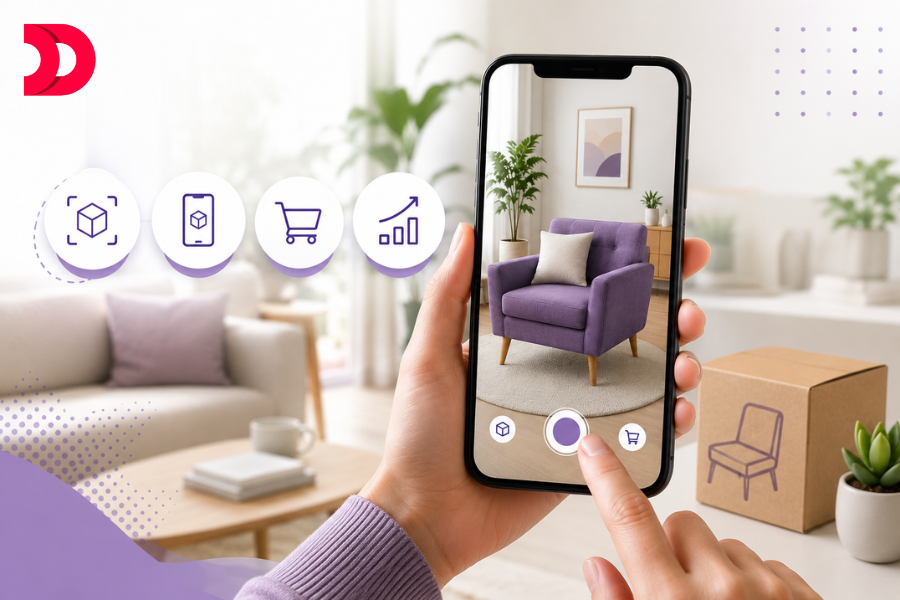
Retail AR applications allow customers to visualize products in their real-world environment before purchasing, making online shopping more immersive and convenient. Whether it’s trying on glasses, placing furniture in a living room, or seeing how paint colors look on a wall, AR helps customers make informed decisions. Partnering with an experienced AR application development company enables businesses to create innovative shopping experiences that increase customer satisfaction and boost online sales.

In this guide, we’ll explore everything you need to know about retail AR app development, including its benefits, features, development process, technologies, and why it has become an essential investment for modern eCommerce businesses.

What Is Retail AR App Development?

Retail AR app development involves creating mobile applications that use Augmented Reality technology to overlay digital products onto the real world through a smartphone or tablet camera. Customers can interact with virtual products as if they were physically present, making it easier to evaluate size, appearance, color, and placement before purchasing.

Businesses increasingly choose Augmented reality (AR) mobile app development to provide engaging customer experiences while reducing return rates and increasing buyer confidence.

Why AR Is Transforming eCommerce

Online shoppers often hesitate because they cannot physically examine products before buying. AR bridges this gap by helping customers visualize products in real environments, creating a shopping experience that closely resembles visiting a physical store.

Retailers adopting AR technology gain a competitive advantage by offering a more interactive and personalized shopping journey. Working with a trusted Ecommerce App Development Company allows businesses to integrate AR capabilities with secure ecommerce features, creating a seamless buying experience.

Key business benefits include:

  • Improved customer engagement
  • Higher conversion rates
  • Reduced product returns
  • Better shopping confidence
  • Increased customer retention
  • Enhanced brand loyalty

Industries Benefiting from Retail AR Applications

AR technology is no longer limited to furniture or fashion retailers. Businesses across multiple industries are using AR to improve customer experiences and increase online sales.

Popular industries include:

Furniture

Customers can place virtual furniture inside their homes before purchasing.

Fashion

Virtual try-on experiences allow shoppers to preview clothing, shoes, and accessories.

Beauty

Customers can test makeup products using facial recognition and AR filters.

Home Decor

Wall art, lighting, and decorative products can be visualized in real living spaces.

Eyewear

Users can virtually try on glasses and sunglasses before placing an order.

Consumer Electronics

Customers can preview product sizes and compare devices in their surroundings.

Read More- Augmented Reality and Virtual Reality – The Future of Immersive Technology

Essential Features of a Retail AR Application

A successful AR retail app combines immersive visualization with powerful ecommerce functionality. The goal is to simplify purchasing while making shopping more interactive.

Important customer features include:

  • User Registration
  • Product Catalog
  • Smart Search
  • Product Filters
  • High quality 3D product Models
  • Real time AR Visualization
  • Product Customization
  • Wishlist
  • Shopping Cart
  • Secure payment Gateway
  • Order Tracking
  • Push Notifications
  • Customer Reviews

These features encourage users to complete purchases while improving their overall shopping experience.

Advanced AR Features for eCommerce

Modern AR applications include intelligent features that make virtual shopping feel more realistic and engaging.

Popular AR capabilities include:

Product Placement

Customers can place products inside their room using their smartphone camera.

True Scale Visualization

Products appear in realistic dimensions, helping customers understand size and fit.

Multiple Viewing Angles

Users can inspect products from every angle before making a purchase.

Color and Material Customization

Customers can switch between different colors, finishes, or materials in real time.

Interactive Product Demonstrations

Products can display animations, assembly instructions, or usage demonstrations through AR.

These features help customers feel more confident about their buying decisions.

Benefits of Retail AR App Development

Retail businesses investing in AR technology gain both customer experience and operational advantages. Interactive shopping experiences often result in better business performance compared to traditional ecommerce platforms.

Major benefits include:

  • Higher customer engagement
  • Better purchasing confidence
  • Increased online conversions
  • Lower product return rates
  • Improved brand differentiation
  • Enhanced customer loyalty
  • Greater average order value
  • Better product visualization

An experienced Mobile App Development Company can help businesses maximize these benefits by building scalable AR applications.

Step by Step Retail AR App Development Process

Building an AR powered ecommerce application requires careful planning and technical expertise. Following a structured development process helps reduce risks while ensuring a high-quality product.

Step 1: Business Analysis

Understand your target audience, product catalog, customer expectations, and long-term business goals before development begins.

A clear strategy helps prioritize features and improve return on investment.

Step 2: Define App Features

Create a detailed list of required functionalities based on customer needs and business objectives.

Typical modules include:

  • Customer application
  • Admin dashboard
  • Inventory management
  • Seller portal
  • Analytics dashboard
  • AR visualization engine

A professional Ecommerce App Development Company can help determine which features should be included in the initial release.

Step 3: UI and UX Design

A clean, intuitive interface ensures customers can browse products, activate AR mode, and complete purchases without confusion.

Good design improves customer satisfaction while reducing abandoned shopping carts.

Step 4: Application Development

Developers build the frontend, backend, APIs, ecommerce functionality, AR capabilities, and cloud infrastructure required for the application.

Many businesses choose custom mobile application development to create unique shopping experiences that reflect their brand identity.

Step 5: Testing

Comprehensive testing ensures the application performs reliably across multiple devices and operating systems.

Testing includes:

  • Functional testing
  • AR performance testing
  • Security testing
  • Device compatibility testing
  • Payment gateway testing
  • User acceptance testing

Quality assurance minimizes bugs before launch.

Step 6: Launch and Maintenance

After launch, businesses should continuously improve the application by monitoring customer feedback, adding new features, and optimizing performance.

Regular updates help maintain customer engagement and long term competitiveness.

Technologies Used in Retail AR Applications

Modern retail AR apps rely on powerful technologies that deliver smooth performance and realistic product visualization.

Popular technologies include:

Mobile Development

  • Flutter
  • React Native
  • Swift
  • Kotlin

AR Frameworks

  • ARKit
  • ARCore
  • Unity
  • Unreal Engine

Backend Development

  • Node.js
  • ASP.NET Core
  • Laravel

Cloud Platforms

  • AWS
  • Microsoft Azure
  • Google Cloud

Choosing the right technology stack depends on your business requirements, expected traffic, and future scalability goals.

Why Custom Development Matters

Every retail business has unique products, customers, and operational workflows. Generic applications often fail to deliver the flexibility needed for long term growth.

Custom mobile application development allows businesses to build solutions tailored specifically to their needs.

Advantages include:

  • Personalized user experience
  • Flexible feature development
  • Better scalability
  • Stronger security
  • Easier integration with existing systems
  • Improved brand identity

Custom solutions provide greater control over application functionality and future enhancements.

AI and AR Together Create Smarter Shopping

Many retailers are combining Artificial Intelligence with AR to deliver even more personalized shopping experiences.

AI powered features include:

  • Product recommendations
  • Personalized offers
  • Visual search
  • AI shopping assistants
  • Customer behavior analysis
  • Automated support chatbots
  • Smart inventory management

Combining AI with Augmented reality (AR) mobile app development creates highly engaging applications that improve customer satisfaction and increase sales.

How to Choose the Right Development Partner

Selecting the right technology partner plays a major role in the success of your AR retail application. Businesses should evaluate technical expertise, industry experience, and long term support capabilities.

When choosing an AR application development company, consider:

  • Experience in AR development
  • Ecommerce expertise
  • Mobile app portfolio
  • UI and UX capabilities
  • Cloud integration experience
  • Communication process
  • Security practices
  • Post launch support

A reliable Mobile App Development Company will also provide ongoing maintenance, performance optimization, and future feature enhancements.

Future Trends in Retail AR Applications

Retail technology continues to evolve rapidly, creating new opportunities for immersive shopping experiences.

Emerging trends include:

  • AI powered virtual shopping assistants
  • Mixed Reality commerce
  • Voice controlled AR navigation
  • Virtual shopping malls
  • Digital twins for retail products
  • Hyper realistic 3D product visualization
  • Personalized AR marketing campaigns
  • Real time collaborative shopping experiences

Businesses adopting these innovations early will be better positioned to attract and retain digital customers.

Conclusion

Retail AR applications are redefining the future of ecommerce by making online shopping more interactive, engaging, and customer friendly. From virtual product visualization and personalized experiences to improved purchasing confidence and reduced return rates, AR technology offers significant advantages for businesses looking to stand out in a competitive market.

Partnering with an experienced AR application development company ensures your application combines immersive AR experiences with powerful ecommerce functionality. Whether you need an Ecommerce App Development Company, a trusted Mobile App Development Company, or experts in Augmented reality (AR) mobile app development, investing in professional custom mobile application development will help your business deliver innovative shopping experiences, strengthen customer relationships, and achieve long term growth in the evolving world of digital commerce.

Generative AI in Mobile App Development: Complete Guide

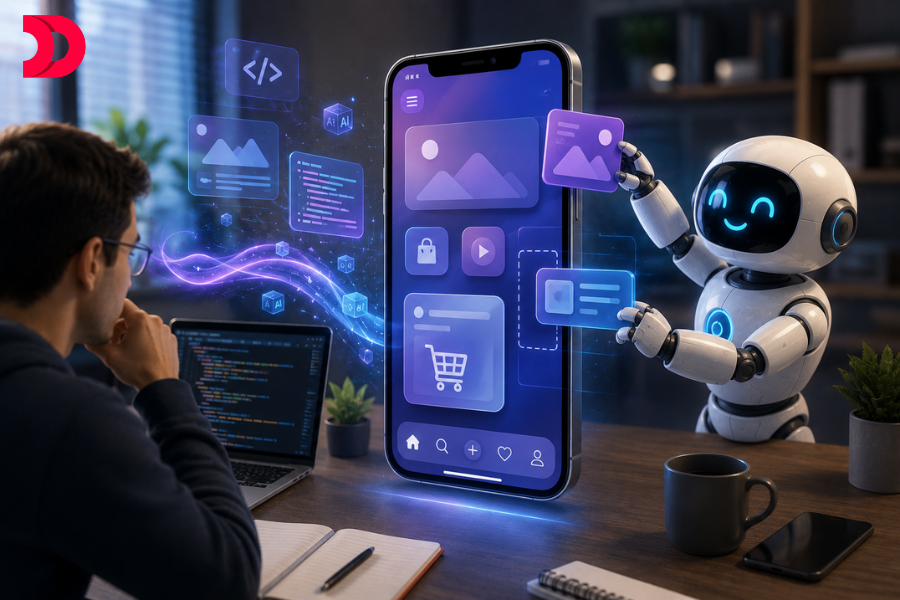
Mobile applications are evolving faster than ever, and one of the biggest drivers behind this transformation is Generative AI. From intelligent chatbots and personalized recommendations to automated content creation and advanced voice assistants, Generative AI is helping businesses create smarter, more engaging, and highly efficient mobile applications.

Whether you’re a startup building your first app or an established enterprise looking to modernize an existing solution, integrating Generative AI can provide a significant competitive advantage. Partnering with an experienced mobile app development company ensures your AI-powered application is secure, scalable, and designed to deliver real business value.

This complete guide explains how Generative AI is changing mobile app development, its benefits, popular use cases, development process, and the cost of AI mobile app development.

What Is Generative AI?

Generative AI is a type of artificial intelligence that creates new content based on user inputs and existing data. Unlike traditional AI, which mainly analyzes information or automates repetitive tasks, Generative AI can produce human-like text, images, code, audio, and even videos.

In mobile applications, Generative AI enables businesses to deliver interactive, personalized, and intelligent experiences that improve customer satisfaction while reducing manual effort.

Why Businesses Are Adopting Generative AI in Mobile Apps

Businesses across the UK are rapidly investing in AI-powered applications because customers now expect faster responses, personalized services, and smarter digital experiences. Generative AI helps organizations automate operations while improving user engagement and productivity.

Working with an experienced ai app development company in uk allows businesses to implement AI solutions that align with industry regulations, customer expectations, and long-term business goals.

Some of the biggest business advantages include:

  • Better customer engagement
  • Faster decision making
  • Reduced operational costs
  • Improved productivity
  • Personalized user experiences
  • Higher customer retention

How Generative AI Is Transforming Mobile App Development

Generative AI is influencing almost every stage of mobile app development, from planning and design to deployment and ongoing user engagement. Instead of simply adding AI as a feature, businesses are building applications where AI becomes a core part of the user experience.

This shift is enabling companies to develop applications that learn from user behaviour, automate complex tasks, and continuously improve performance.

Key Features of AI Powered Mobile Applications

Modern AI applications include intelligent capabilities that make them more useful than traditional mobile apps. These features help businesses deliver personalized experiences while improving efficiency.

Popular AI features include:

  • AI chatbots
  • Voice assistants
  • Smart search
  • Personalized recommendations
  • Image recognition
  • Content generation
  • Language translation
  • Predictive analytics
  • Sentiment analysis
  • Automated notifications

A professional mobile app development company can integrate these features while maintaining performance and security.

Top Use Cases of Generative AI in Mobile Apps

Generative AI is being adopted across multiple industries, helping businesses solve different challenges through automation and intelligent decision making.

Healthcare

Healthcare applications use AI to assist patients with symptom checking, appointment scheduling, medical documentation, and virtual health assistants.

Ecommerce

Retail businesses use AI for product recommendations, automated customer support, personalized shopping experiences, and marketing content generation.

Education

Educational applications generate quizzes, learning materials, personalized study plans, and AI tutors that adapt to each student’s learning style.

Finance

Financial institutions use AI to automate customer support, detect fraud, generate financial reports, and provide intelligent investment insights.

Travel

Travel apps generate personalized itineraries, recommend destinations, translate conversations, and assist travellers through AI powered virtual assistants.

Customer Service

Businesses deploy AI chatbots capable of answering customer questions, resolving common issues, and providing instant support twenty four hours a day.

Benefits of Integrating Generative AI into Mobile Apps

Adding Generative AI to mobile applications offers both operational and customer experience benefits. Businesses can automate repetitive processes while delivering more engaging digital experiences.

Key benefits include:

  • Personalized user journeys
  • Faster customer support
  • Increased productivity
  • Better customer satisfaction
  • Reduced operational expenses
  • Intelligent automation
  • Higher user engagement
  • Improved decision making
  • Continuous learning capabilities

These advantages make AI one of the most valuable technologies for modern mobile applications.

Technologies Used in AI Mobile App Development

Developing AI-powered mobile applications requires a combination of modern frameworks, cloud services, machine learning platforms, and mobile development technologies.

Common technologies include:

Mobile Development

Backend Development

AI Frameworks

  • TensorFlow
  • PyTorch
  • OpenAI APIs
  • Google AI
  • Azure AI
  • Hugging Face

Cloud Platforms

  • Amazon Web Services
  • Microsoft Azure
  • Google Cloud Platform

Choosing the right technology stack depends on your business objectives, expected traffic, and AI functionality.

Step by Step Process to Build an AI Mobile App

Developing an AI-powered mobile application involves careful planning and technical expertise. Following a structured process helps reduce development risks while improving project success.

Define Business Objectives

Identify the problem your AI application will solve and determine how AI will improve user experiences.

Gather Requirements

Define app features, user roles, AI capabilities, integrations, and expected business outcomes.

Design User Experience

Create intuitive interfaces that make AI interactions feel natural and easy to use.

Develop the Application

Build the frontend, backend, APIs, AI integrations, and cloud infrastructure required for your application.

Train and Integrate AI Models

Connect your application with AI models capable of generating responses, recommendations, or other intelligent outputs.

Test the Application

Conduct functional testing, AI accuracy testing, security testing, and performance testing before launch.

Launch and Optimize

Monitor user behaviour, improve AI responses, and regularly release updates based on customer feedback.

Many businesses choose to Hire dedicated ai app developer teams because AI integration requires specialized technical expertise beyond traditional app development.

Read More-  Building AI-Native Applications: The Role of Agents, Generative AI & Live Intelligence

How to Choose the Right AI Development Partner

Selecting the right development partner significantly impacts the success of your project. AI applications require expertise in mobile technologies, machine learning, cloud computing, cybersecurity, and user experience.

When evaluating an ai app development company in uk, consider the following:

  • Industry experience
  • AI development expertise
  • Mobile app portfolio
  • Security standards
  • Cloud integration capabilities
  • Communication process
  • Ongoing support services

Businesses looking to hire ai developer teams should also verify their experience with Generative AI technologies and real-world AI implementations.

Security Considerations for AI Mobile Apps

As AI applications process large amounts of user data, security and privacy should remain top priorities throughout development.

Important security practices include:

  • End to end encryption
  • Secure API authentication
  • GDPR compliance
  • Multi factor authentication
  • Role based access control
  • Secure cloud storage
  • Regular security audits

A trusted mobile app development company follows industry best practices to ensure customer information remains protected.

What Is the Cost of AI Mobile App Development?

One of the most common questions businesses ask is about the cost of AI mobile app development. The total investment depends on several technical and business factors rather than a fixed price.

Major cost factors include:

  • Application complexity
  • AI features
  • Number of supported platforms
  • Custom AI model development
  • Third party API integrations
  • Cloud infrastructure
  • Data processing requirements
  • Security features
  • UI and UX design
  • Maintenance and updates

Applications with advanced AI capabilities, real time recommendations, multilingual support, and custom machine learning models typically require a higher investment than basic AI integrations.

Requesting a detailed consultation from an experienced ai app development company in uk provides a more accurate estimate based on your business goals and technical requirements.

Future Trends in AI Mobile App Development

Generative AI continues to evolve rapidly, creating new opportunities for businesses across every industry. Future mobile applications will become even more intelligent, personalized, and autonomous.

Emerging trends include:

  • AI powered voice interfaces
  • Hyper personalized user experiences
  • AI generated video content
  • Multimodal AI interactions
  • Autonomous virtual assistants
  • Intelligent workflow automation
  • Predictive business analytics
  • Edge AI processing

Businesses that invest early in AI technologies will be better positioned to compete in the digital economy.

Why Businesses Should Invest in AI Powered Mobile Apps

Generative AI is no longer an emerging technology. It has become a strategic business investment that improves customer experiences, increases operational efficiency, and supports long term growth.

Organizations that Hire dedicated ai app developer teams gain access to advanced expertise while accelerating product development and reducing implementation risks. Likewise, companies that hire ai developer professionals with proven AI experience can build innovative solutions that deliver measurable business value.

Conclusion

Generative AI is redefining the future of mobile application development by enabling businesses to create intelligent, personalized, and highly engaging digital experiences. From AI powered customer support and automated content generation to predictive analytics and virtual assistants, the possibilities continue to expand as the technology evolves.

Whether you’re building a new AI powered application or enhancing an existing mobile platform, working with a trusted mobile app development company is essential for long term success. An experienced ai app development company in uk can help you select the right technologies, integrate advanced AI capabilities, and manage the cost of AI mobile app development effectively. If you’re planning to Hire dedicated ai app developer professionals or hire ai developer teams for your next project, investing in the right expertise today will help you build innovative mobile applications that are ready for the future.

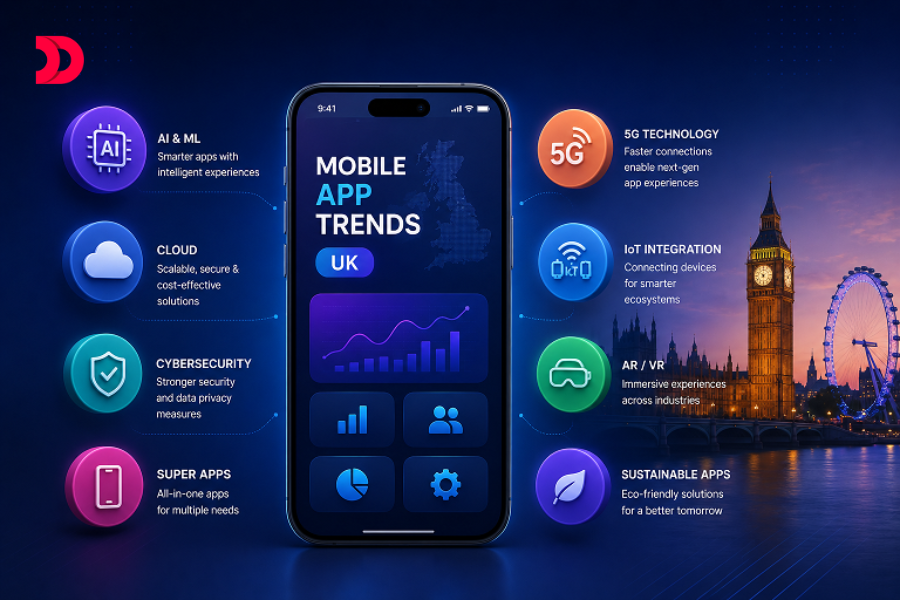
Top Mobile App Development Trends in the UK for 2026

Mobile applications have become an essential part of business growth across every industry in the UK. From retail and healthcare to finance and logistics, companies are investing in innovative mobile solutions to improve customer engagement, streamline operations, and stay ahead of the competition.

As technology continues to evolve, businesses must understand the latest trends before starting a new project. Partnering with a reliable mobile app development company can help organizations adopt modern technologies, deliver better user experiences, and create future ready applications. This article explores the biggest mobile app development trends shaping the UK market in 2026.

Why Mobile App Development Is Growing in the UK

The UK remains one of Europe’s fastest growing digital economies, with businesses increasingly relying on mobile applications to connect with customers and improve services. Consumers expect fast, secure, and personalized experiences, making mobile apps a valuable investment for companies of every size.

Whether you are launching a startup or expanding an established business, choosing the right app development agency can help you develop an application that supports long term growth and meets changing customer expectations.

  1. Artificial Intelligence Is Transforming Mobile Apps

Artificial Intelligence has become one of the most significant innovations in mobile app development. Businesses are integrating AI into their applications to automate tasks, personalize customer experiences, and improve decision making through intelligent insights.

Popular AI features include:

  • AI chatbots
  • Voice assistants
  • Personalized recommendations
  • Predictive analytics
  • Image recognition
  • Smart search
  • Automated customer support

Working with a trusted mobile app development company ensures these AI capabilities are implemented efficiently while maintaining excellent app performance.

  1. Cross Platform Development Is the Preferred Choice

Businesses want applications that work seamlessly across Android and iOS without maintaining two separate codebases. Cross platform frameworks make this possible while reducing both development costs and launch timelines.

Advantages of cross platform development include:

  • Faster development
  • Lower maintenance costs
  • Consistent user experience
  • Quicker updates
  • Easier scalability

Companies planning to build mobile app in UK markets increasingly choose Flutter or React Native for faster product delivery.

  1. Super Apps Continue to Gain Popularity

Consumers now prefer applications that provide multiple services within a single platform. Instead of downloading several apps, users appreciate the convenience of accessing everything from one interface.

Common super app features include:

  • Online payments
  • Shopping
  • Messaging
  • Booking services
  • Customer support
  • Loyalty programs
  • Food delivery

Businesses adopting this model can increase customer engagement while encouraging users to spend more time within their applications.

  1. Mobile App Security Is Becoming More Advanced

As cyber threats continue to increase, security has become one of the highest priorities for mobile application development. Users expect their personal information to remain protected while businesses must comply with UK data privacy regulations.

Essential security features include:

  • Biometric authentication
  • Multi factor authentication
  • End to end encryption
  • Secure cloud storage
  • GDPR compliance
  • Real time security monitoring

An experienced app development agency builds security into every stage of the development process instead of treating it as an afterthought.

  1. 5G Is Creating Faster Mobile Experiences

The expansion of 5G networks across the UK is opening new possibilities for mobile applications. Faster connectivity allows developers to build feature rich applications that deliver smooth and responsive user experiences.

Benefits of 5G include:

  • Faster downloads
  • High quality video streaming
  • Real time gaming
  • Better video calls
  • Improved cloud connectivity
  • Lower network latency

Businesses developing new applications should ensure they are optimized for modern 5G infrastructure.

  1. Internet of Things Integration Is Expanding

More businesses are connecting mobile applications with smart devices to improve automation and efficiency. IoT integration allows users to monitor and control connected devices directly from their smartphones.

Popular IoT applications include:

  • Smart homes
  • Healthcare monitoring
  • Industrial automation
  • Vehicle tracking
  • Wearable technology
  • Smart logistics

When you hire mobile app developer, selecting someone with IoT experience can help your application remain competitive as connected technologies continue to evolve.

  1. Augmented Reality Is Enhancing User Experiences

Augmented Reality is no longer limited to gaming. Businesses across the UK are using AR to create engaging customer experiences that improve purchasing decisions and increase user interaction.

Businesses use AR for:

  • Virtual product trials
  • Furniture visualization
  • Property tours
  • Educational experiences
  • Healthcare training
  • Interactive product demonstrations

AR features help businesses stand out while providing customers with more confidence before making purchasing decisions.

  1. Mobile Commerce Is Growing Rapidly

Shopping through mobile applications continues to increase as customers demand faster, simpler, and more personalized purchasing experiences. Businesses are investing heavily in mobile commerce to improve conversions and customer loyalty.

Essential ecommerce features include:

  • One click checkout
  • Mobile wallets
  • Personalized recommendations
  • Live order tracking
  • Secure payments
  • Loyalty rewards

Businesses planning to build mobile app in UK ecommerce markets should prioritize seamless shopping experiences across every device.

  1. Cloud Based Mobile Apps Are Becoming Standard

Cloud computing enables applications to store data securely while improving scalability and performance. Businesses no longer need expensive infrastructure to support growing numbers of users.

Advantages of cloud based applications include:

  • Automatic updates
  • Improved scalability
  • Better data security
  • Reduced infrastructure costs
  • Faster deployment
  • Reliable backups

A skilled mobile app development company can recommend the right cloud architecture based on your project’s size and future growth plans.

  1. Personalization Is Driving Customer Engagement

Modern users expect applications to provide experiences tailored to their individual preferences. Businesses that personalize content and recommendations often achieve higher customer satisfaction and retention.

Popular personalization features include:

  • Customized dashboards
  • Personalized offers
  • Location based content
  • Smart notifications
  • Product recommendations
  • Individual user profiles

Artificial Intelligence continues to improve personalization by analyzing customer behavior and delivering relevant experiences in real time.

  1. Sustainable App Development Is Gaining Attention

Businesses are increasingly focusing on developing applications that consume fewer resources while maintaining excellent performance. Efficient coding practices help reduce energy usage and improve the overall user experience.

Sustainable development practices include:

  • Optimized code
  • Lower battery consumption
  • Reduced storage usage
  • Efficient cloud infrastructure
  • Faster loading speeds
  • Improved performance optimization

These improvements benefit both businesses and users by lowering operational costs and enhancing application reliability.

How to Choose the Right Mobile App Development Partner

Selecting the right development partner plays a major role in the success of your mobile application. Beyond technical expertise, businesses should look for a team that understands their industry, business goals, and long term growth strategy.

When choosing an app development agency, consider the following:

  • Proven industry experience
  • Strong development portfolio
  • Expertise in Android and iOS
  • AI and cloud integration capabilities
  • Transparent communication
  • Ongoing maintenance and support

Many businesses also prefer to hire mobile app developer teams that provide complete development, testing, deployment, and post launch support under one roof.

Why Businesses Should Invest in Mobile Apps in 2026

The demand for mobile applications continues to grow across every industry in the UK. Businesses that invest in modern applications can improve customer satisfaction, increase operational efficiency, and generate new revenue opportunities.

Key business benefits include:

  • Stronger customer relationships
  • Increased sales
  • Better operational efficiency
  • Improved brand visibility
  • Higher customer retention
  • Valuable business insights

Partnering with an experienced mobile app development company helps businesses maximize these benefits while reducing development risks.

Conclusion

Mobile app development in the UK is entering a new era driven by Artificial Intelligence, cloud computing, IoT, 5G connectivity, and immersive user experiences. Businesses that embrace these innovations today will be better prepared to meet future customer expectations and maintain a competitive advantage.

Whether you want to launch a startup application or modernize an existing digital product, choosing the right app development agency is essential for success. If you are planning to build mobile app in UK, working with experienced professionals and deciding to hire mobile app developer teams with the right technical expertise will help you create a secure, scalable, and future ready application that supports long term business growth.