Chat on WhatsApp

Which key Factor Consider when hiring best web Development Company in UK?

Website serves as your virtual storefront, making it essential to ensure it’s not only visually appealing but also functional and user-friendly. However, creating a top-notch website requires expertise and skills that you might not possess in-house. That’s where hiring a professional web development company comes into play. But with so many options available, how do you choose the right one for your needs? Here are some key factors to consider when selecting the best web development company in the UK.

Portfolio and Experience

Start by examining the company’s portfolio. Look for examples of their previous work, paying close attention to the design, functionality, and user experience of the websites they’ve developed. An experienced company with a diverse portfolio is more likely to understand your requirements and deliver results that align with your vision.

Technical Proficiency

A great web development company should be proficient in various programming languages, content management systems (CMS), and development frameworks. They should be able to recommend the most suitable technologies for your project and explain their rationale behind those choices.

Client Reviews and Testimonials

Check for client reviews and testimonials to gauge the company’s reputation and reliability. Reading about other clients’ experiences can provide valuable insights into the company’s communication, project management, and overall satisfaction levels.

Communication and Collaboration

Effective communication is vital for the success of any project. Ensure that the web development company you choose is responsive, transparent, and easy to communicate with. They should be willing to listen to your ideas, provide regular updates, and address any concerns or questions you may have promptly.

Scalability and Flexibility

Consider your long-term goals and whether the web development company can accommodate your future growth and expansion plans. A scalable and flexible approach ensures that your website can evolve with your business needs and technological advancements.

Quality Assurance and Testing

A reputable web development company should have robust quality assurance processes in place to ensure the final product meets the highest standards. Inquire about their testing procedures, including usability testing, cross-browser compatibility testing, and performance testing, to ensure your website functions flawlessly across different devices and platforms.

Support and Maintenance

Building a website is just the beginning. Ensure that the web development company offers ongoing support and maintenance services to keep your website secure, up-to-date, and optimized for peak performance. A reliable support system is essential for addressing any issues or making necessary updates in the future.

Cost and Budget

While cost shouldn’t be the sole determining factor, it’s essential to consider your budget constraints when choosing a web development company. Compare quotes from multiple companies, keeping in mind the value they offer in terms of expertise, quality, and reliability.

By carefully considering these key factors, you can make an informed decision when hiring the best web development company in the UK. Remember, investing in a reputable and experienced partner will not only result in a visually stunning website but also contribute to the overall success of your online presence and business endeavors.

Why is React Native the best Choice for Application Development?

Most new developers prefer React Native app development. It is the most popular cross-platform framework and has gained popularity over time. React Native is used for development by many top brands, including Netflix, Instagram, Facebook, and Facebook. React Native has many advantages over other mobile apps because of its numerous features. It provides features such as traffic footfall, business conversion, download volume, and more. Instagram, for example, has been the most popular social media site due to its logical user experience. Many web apps and mobile app projects have seen positive results from React Native.

Why use The React Native Framework

React Native allows Web App Development Company to create apps with modern technology.

  • Developers can create cross-platform apps by using JavaScript components for both iOS and Android.
  • React native is also very easy to use for building applications.
  • App development services for the web can create apps within the timeframe specified.

Developers don’t need to know complex languages like Java or C in order to develop apps. It allows you to develop and test features with various libraries and offers good support from the developer community.

Reasons to use React Native is a Great tool for Mobile Application Development

 
1. Code Changes with Hot Reloading

React Native allows developers to make changes quickly without having to wait for the applications to reload.

  • Developers can make changes to the code and fix bugs in real time while the app runs in the background.
  • These changes are immediately reflected in real-time, as soon as they occur in the code.
  • It is simple code that pushes into different areas and takes no time to load.
  • It also allows for better iterations throughout a project or application.

2. Modern Architecture

React native uses modular programming architecture. This allows developers to integrate code and separate blocks to meet their feature development needs.

  • Modules are used to refer to the code blocks. This is to ensure that the process remains efficient and flexible.
  • Developers have many creative options with this feature.
  • Many developers are able to choose from each other’s projects, and select different modules for reuse.
  • The feature also allows for easy updating of applications.
  • React Native is a fundamental part of modern architecture.

3. Code Reusability

React Native saves time by not having to code each step separately.

  • It doesn’t matter if you code for Android or iOS separately.
  • The application can be reused, which results in quicker development.
  • It allows you to save money on development because it is less expensive to hire remote developers.
  • It also ensures faster growth because it lowers the cost of app projects.
  • React Native provides access to pre-built components and open-source libraries that can be used for UI design.
  • It will reduce the time it takes to develop the project.

4. Native Look

React native includes native components that are compatible with both iOS and Android.

  • This allows developers to quickly create user interfaces and ensures that the application runs smoothly.
  • React’s main advantage is its ability to integrate with the OS code.
  • Developers can also create extensions to existing native applications with the framework.
  • The framework makes it easy to create apps that look great.

5. Third-party Support Plugins

Although React native does not provide out-of-the box solutions for your development needs, there are great third-party plugin options.

  • Developers can use this feature to access a variety of JavaScript natives and JavaScript modules for their app development needs.
  • Third-party plugins can be used by new developers to easily integrate new features that enhance the app’s functionality.

6. Lesser Memory

React Native consumes less memory than other programs, which allows for more space for development.

The Android version allows you to create single files, which makes a big difference.

7. Lower Learning Curve

React has a flexible learning curve that is easy to learn.

  • It is a JavaScript framework that is very popular in the web development community.
  • JavaScript languages are well-known to most developers.
  • The majority of developers start their careers in HTML and JavaScript.
  • React is also a modular framework that’s component-based. This gives developers complete flexibility.
  • It is a huge community effort that spreads around the world.
  • It is possible to learn basic modules, while coding takes less time.

8. Growing Technology

React Native is the most used framework for developing mobile apps.

  • It is the preferred choice of developers around the world due to its constant value updates and value additions.
  • React Native is also gaining popularity due to the large developer community.
  • Online support is a great way to stay on top of your project.
  • App developers love it because they don’t mind trying out new modules and approaches.
  • It also includes additional components that can be used by other developers.
  • React Native has been launched by Microsoft to address the growing demand. It is easy to use for creating apps on Microsoft OS.

Conclusion

The development process has been transformed by React native framework. It makes development easier by providing the best plugins and updates. It will continue to be the top-rated choice for many years thanks to its constant innovations.

How to Develop a Blockchain Application [Detailed Guide ]

In the fast-evolving landscape of technology, blockchain stands out as a revolutionary force with the potential to transform diverse industries. If you’re intrigued by the prospect of building your own blockchain application but find the process intimidating, fear not. This detailed guide is crafted to take you through the step-by-step journey of creating a blockchain application, unraveling complexities, and empowering you to embark on this exciting endeavor.

Grasping the Fundamentals

Before delving into the development process, it’s essential to grasp the basics of blockchain technology. At its core, blockchain is a decentralized and distributed ledger that securely records transactions across a network of computers. Transactions are encrypted and linked in a chain, providing transparency, immutability, and security.

Step 1: Define Your Use Case

Begin by pinpointing the specific problem or need your blockchain application seeks to address. Whether streamlining supply chain processes, enhancing financial transaction transparency, or developing a decentralized application (DApp), a well-defined use case serves as the bedrock for your development journey.

Step 2: Select the Right Blockchain Platform

Choosing the appropriate blockchain platform is a critical decision. Options like Ethereum, Hyperledger, and Binance Smart Chain offer unique features. Consider scalability, consensus mechanism, and smart contract functionality to make an informed choice.

Step 3: Design the Architecture

Craft a robust architectural framework for your application. Define data structure, consensus mechanisms, and rules governing your blockchain. Whether it’s a public or private blockchain, the architecture should align with your use case and scalability needs.

Step 4: Develop Smart Contracts

Smart contracts, written in languages like Solidity for Ethereum or Chaincode for Hyperledger, govern the logic of your application. Develop these self-executing contracts to enhance the functionality of your blockchain.

Step 5: Build the User Interface

Design an intuitive user interface that facilitates seamless interaction with your blockchain application. This involves creating a front-end to empower users to access and engage with the underlying blockchain effortlessly.

Step 6: Integrate APIs

Integrate Application Programming Interfaces (APIs) to connect your blockchain application with external services and databases, ensuring interoperability and maximizing functionality.

Step 7: Thorough Testing

Prior to deployment, conduct exhaustive testing to identify and rectify potential issues. Unit testing, integration testing, and system testing ensure the reliability and security of your application.

Step 8: Deployment and Maintenance

After successful testing, deploy your blockchain application. Regularly monitor and maintain it to address emerging issues, implement updates, and ensure continuous functionality.

Conclusion 

Starting the journey to create a blockchain application might feel a bit daunting, but with a good grasp of these steps, you’re ready to tackle the intricacies of this transformative technology. Embrace the power of blockchain to devise creative solutions and be a part of the continually evolving landscape of decentralized applications. Enjoy the coding process!

We trust that our guide on blockchain app development has been beneficial! With the knowledge and examples shared earlier, you should now be in the process of crafting your own concept for a blockchain app. Have you started working on it? We’re eager to hear about your concept and your involvement in its development.

To refine your app development ideas, consider seeking advice from Devstree UK, a reliable and reputable company specializing in blockchain development. They can assist you in enhancing your decentralized journey. If you’re looking for guidance, you can also enroll in the Devstree UK Blockchain Quality Engineer.

What is Payment Gateway? Why important a Payment Gateway for Your Mobile App?

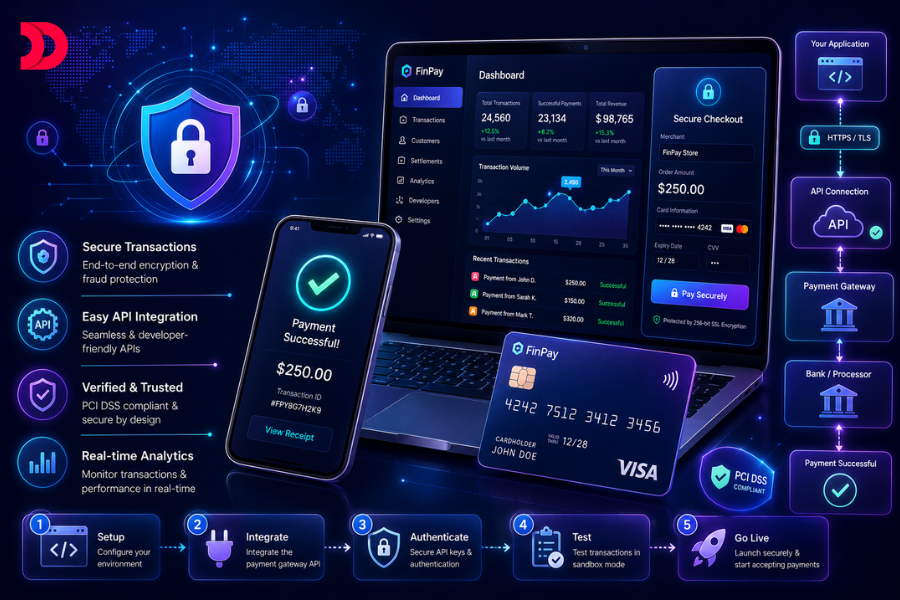
A payment gateway is a technology that allows merchants to accept electronic payments, such as credit cards, debit cards, and digital wallets, from their customers. It acts as a mediator between the merchant’s website or mobile app and the financial institution that processes the payment. In simple terms, a payment gateway is a virtual point-of-sale terminal that securely collects and transmits payment information from the customer to the merchant’s acquiring bank. The gateway encrypts sensitive data, such as credit card numbers, to ensure that the information remains safe and secure.

A payment gateway is essential for mobile apps that offer products or services for sale. Without a payment gateway, customers would not be able to complete transactions within the app. A reliable payment gateway also provides several benefits, including:

Increased Security: A payment gateway ensures that sensitive customer information is encrypted and secure, reducing the risk of fraud and identity theft.

  1. Improved User Experience: Customers can complete transactions within the app without being redirected to a third-party website, creating a seamless and convenient shopping experience.
  2. Faster Payment Processing: Payment gateways typically offer faster transaction processing times, which can help improve customer satisfaction.
  3. Integration with multiple payment methods: A payment gateway can support multiple payment methods, including credit cards, debit cards, and digital wallets, making it easier for customers to pay for purchases in their preferred way.

In summary, a payment gateway is crucial for mobile apps that offer products or services for sale. It provides a secure and efficient way for customers to pay for purchases within the app, creating a positive user experience and increasing the likelihood of repeat business.

How To Integrate a Payment Gateway For Your Mobile App?

Integrating a payment gateway into a mobile app can be a complex process, but it is essential for any business that wants to accept payments through their app. Here are the general steps to integrate a payment gateway into a mobile app:

Choose a Payment Gateway: There are numerous payment gateways available in the market, each with its own features, pricing, and integration requirements. Choose a payment gateway that suits your business needs and integrates well with your mobile app.

  1. Obtain API keys: Once you have chosen a payment gateway, you need to obtain the API keys from the best payment gateway providers. These keys are unique identifiers that allow your app to communicate with the payment gateway API.
  2. Implement the Payment Gateway SDK: The next step is to implement the payment gateway SDK (Software Development Kit) into your mobile app. The SDK provides a set of libraries, tools, and documentation that allow your app to communicate with the payment gateway.
  3. Build a User Interface: After implementing the payment gateway SDK, you need to create a user interface that allows users to enter their payment details, such as credit card number, name, and billing address. This UI should be intuitive and easy to use.
  4. Test the Payment Gateway: Before launching the app, it is essential to test the payment gateway thoroughly to ensure that it is working correctly. Test the gateway with different types of transactions, including refunds and chargebacks, to ensure that everything is working as expected.
  5. Launch and Monitor the Payment Gateway: Once the app is launched, it is crucial to monitor the payment gateway’s performance regularly. Monitor the gateway for any errors or issues and resolve them promptly to ensure that the payment process runs smoothly.

In summary, integrating a create your own payment gateway into a mobile app requires careful planning, implementation, and testing to ensure that the payment process is secure, efficient, and user-friendly. Choose a reputable payment gateway provider in UK, implement the payment gateway SDK, create a user interface, test the payment gateway thoroughly, and monitor its performance regularly to ensure the payment process runs smoothly.

How to Choose the Right Payment Gateway for Your App?

Choosing the right payment gateway for your app is crucial for ensuring a seamless and secure payment process. Here are some factors to consider when selecting a payment gateway:

Security: The payment gateway should provide robust security features, such as encryption, tokenization, and fraud prevention, to protect your customers’ sensitive payment information.

Integration: 

The payment gateway should be easy to integrate with your mobile app’s technology stack, including programming languages, operating systems, and frameworks.

  1. Payment methods: The payment gateway should support multiple payment methods, including credit cards, debit cards, and digital wallets, to provide flexibility to your customers.
  2. Fees: Consider the payment gateway’s pricing model, including transaction fees, setup fees, and monthly fees. Compare the costs of different payment gateways to find the one that best fits your budget.
  3. Customer support: Ensure that the payment gateway provider offers excellent customer support, including phone, email, and chat support, to help you resolve any issues or questions.
  4. Reputation: Choose a payment gateway provider with a good reputation in the industry. Look for reviews, testimonials, and case studies to learn about the provider’s track record and customer satisfaction.
  5. Localization: If your app targets users in different countries, choose a payment gateway that supports local payment methods and currencies to ensure a smooth payment experience for your customers.

In summary, when choosing a payment gateway for your app, consider security, integration, payment methods, fees, customer support, reputation, and localization. By evaluating these factors, you can find a payment gateway that fits your business needs and provides a seamless payment experience for your customers.

Final Words

One of the best ways to manage your business operations without relying on other applications is with custom payment gateway software. Devstree IT Services can help you create a customized electronic payment gateway. We have provided payment application development services for domestic and international clients. Developing custom payment gateways is Devstree’s specialty.

6 Steps to Create a Real Estate Mobile Application

It can seem daunting to create a real estate application, especially if it’s your first time. The entire process can be broken down into six easy steps.

Step 1: Validate the “Why?” for Real Estate Business

Be clear about your app’s primary purpose before you get carried away. You must ensure that you are developing your app for the right purposes and not just to have one. Your app will lack direction and purpose if it doesn’t have a clear reason to be developed. Your final product will not be able to meet the needs of your audience if it lacks direction. As you brainstorm ideas, you can look to the top real estate apps. If you are looking for CRM features, check out the Zillow Premier Agent App. Or look at Trulia to manage listings.

You might be able to improve your marketing and communication or have more control over your listings. You might even create a real-estate app to help you better manage your client relationships. Although your final product may have many features, your first app should still be focused on your primary purpose. You can always add more features down the line.

Step 2: Determine your budget and desired launch time

What is the cost of creating a real-estate app? It depends on the development method used and the features you want, but it could cost anywhere from $10,000 to $20,000 up to $250,000. If you are looking to Hire app Developers, consider the cost of where your team is located. You don’t need to spend a lot of money to create a great app.

For most people, the most cost-effective way to create a realty app is to use an app maker. Devstree allows you to create an app for real estate without having any programming knowledge or technical skills. Devstree’s team of developers will support you. They have assisted in the development of over 10,000+ apps. This will allow you to get your app to market quicker than traditional development. Ideal for those who want to launch their real estate apps in a matter of weeks or months instead of six months or more. You will have to pay more for every feature you need. It will cost you a lot to get an augmented reality feature that includes virtual tours and complicated integrations.

However, if you only need to add video walkthroughs to properties to your app using a YouTube plugin it will be more affordable. App builders such as Devstree are affordable and still provide value for real estate agents who want to build an app.

Step #3: Choose Your Real Estate App Development Method

You now need to decide how you will create a real-estate app. Your responses in step #2 can help you decide. There are generally three options:

To create your own real estate app, you can use a DIY app creator

  • You can outsource the project to an app developer company
  • It can be built by developers.

Technically, it is possible to learn code and create an app by yourself. This is not practical and unnecessary for real estate professionals. DIY software is a better option as it is the most cost-effective and fastest way to launch your business.

Devstree has covered this topic extensively over the years. These resources will help you decide which option is best for you.

Houses and mansions isometric composition with information about family estate in mobile app for smartphone vector illustration

Step #4: Select Your Real Estate App Features

Next, decide which features you want to add to your app. In the beginning, it is important to be simple and focus only on the features that your app needs to work properly. Recall what was discussed in the first stage. Which is your main focus when creating a real-estate app? Focus your efforts on that goal and determine the features that are necessary to make it happen. 

If you are unsure of what to include, you can take a look at the top real-estate apps available on the market. In the beginning stages, simplicity is important. It is easy to get bogged down in the development process, and then add features that you like. This can cause delays and increase your costs.

There are always more features that can be added months or years later. We’ll be covering more features in later articles.

Step #5: Design your Real Estate App

Now it’s time to build the app. This process will be easier if you have a plan, a budget, and a list of features. Each person will take a different approach to the steps, so it is important that you choose the right development. It doesn’t matter what method you use, it is in your best interests to break down your project into manageable steps. To keep track of the project and make sure you meet your deadlines, you can use basic project management software. Devstree will first ask you what kind of app you would like to create. To continue, select the real-estate industry option. If you are unsure of what to include, you can take a look at the top real-estate apps available on the market. In the beginning stages, simplicity is important. It is easy to get bogged down in the development process, and then add features that you like. This can cause delays and increase your costs. There are always more features that can be added months or years later. We’ll be covering more features in later articles.

Step 6: Market and Launch Your Real Estate Agent App

You are a successful agent in real estate and you understand the importance of marketing. It doesn’t matter if you have the most powerful app on the planet. But it won’t be useful if no one knows about it. It’s possible to promote your app even before it launches, so that people are ready when it finally releases. To drive downloads, make sure you use all your marketing channels. Use social media to share the app, promote it on your blog and email subscribers, as well as add a download link on your website.

Devstree will allow you to create an app and then publish it to the app stores. With a single click you can notify us that your app is ready. Our team will make it available on the Apple App Store or Google Play Store.

The Key Features Every Real Estate App Must Have

We’ll be discussing some features that you should consider when building your real estate app. These features are inspired by the top apps in the real-estate industry.

User Onboarding

You should always have a free version for your app. The best apps have some form or registration. This will allow you to gather more information about your app users, which can be used to improve their experience. To help manage customer relationships, you can also use the details from onboarding. Instead of requiring people to give all their information in order to sign up, it is possible to integrate with social media platforms to speed up the process. Users can then create an account by simply logging in to an existing social account. Registering for an account allows users to have more control and personalization over what they see in the app. You can “favorite” and “like” homes you want to see later, or keep an eye on.

Real Estate Listings

Your app must highlight properties for sale or rent. Instead of manually adding the information, you can create an integration using multiple listing services. This will bring each property’s details into your app. It simplifies backend management for both you and your team. Photos, videos, price history and tax information should be included in the listing. This will allow buyers to make informed decisions about whether or not the property is right for them.

Agent Profiles

Potential buyers can use mobile apps to connect with agents. This is your chance to share information about yourself and your work. Each agent in a real estate agency should have their own profile. Include a photo and a brief bio. Also, include details about how you can contact the agent.

Capabilities for Search and Filter

People searching for homes can find it overwhelming, especially when there are so many options. You must make it easy for users to search for and filter properties according to what they are looking for.

Filters can be set up for:

Price

Distance

Bedrooms

Bathrooms

Types of property

Max HOA

For Sale vs. for Rent vs. for Lease

It should be possible to search for specific terms such as “pool” and “backyard”.

Maps Integrations

A Google Maps integration is a great way of showcasing properties. Users can navigate listings from a map view rather than a list. Geofenced property details can be integrated into your maps. This allows you to highlight listings within a particular area.

Mortgage and Payment Calculators

Home buyers are often concerned about the price. However, the sale price of a home can differ from the monthly payment. This is especially true if you consider additional fees such as property taxes, mortgage insurance and HOAs. Although the calculators in your app are not meant to be used for calculations, they can still help users get a better idea of the actual cost of purchasing the property.

Scheduling an Appointment

Prospective buyers shouldn’t have the burden of scheduling a viewing if they like a property. You can still add your email address and phone number to each listing. However, people should not have to leave the app to book a tour.

This feature is also a great way to help with lead generation strategies. Users will be asked for their name, email address, and number in order to schedule an appointment.

Push Notifications

Push notifications are a must for real estate apps to communicate with their users. Active buyers will appreciate this option to let them know of any new properties that match their search criteria. This gives you an edge over other agents who may be sending them properties via email. Push messages can be seen instantly as they are delivered directly to the user’s screen.

Final thoughts on Mobile Apps for Real Estate Agents

Real estate is highly competitive. You need every advantage to be an agent that stands out from the rest. An app for mobile will give you an advantage over other agents competing for the same client. A seller may choose you to represent them because they believe the app will give them more chances to sell quickly. Apps can also be very beneficial to buyers and renters looking for an easy way to locate properties using their smartphones.

When you launch a real-estate agent app, there are many options. Devstree, IT Services however, is the most straightforward. Get started with your 14-day trial for free, or contact one of our app developers to learn more.

Machine Learning – How It’s Changing the Business Landscape

Artificial intelligence (AI) in the form of machine learning (ML) enables software applications to forecast outcomes more accurately without having that capability explicitly programmed into them. Machine learning algorithms predict new output values using historical data as input. Machine learning is rapidly changing the business landscape. Here are some of the ways in which machine learning is impacting businesses today:

Personalized customer Experiences

Machine learning can be used to personalize customer experiences across all channels, from website to email to mobile app. For example, machine learning can be used to recommend products to customers based on their past purchases, or to send targeted marketing emails based on customer interests.

Fraud Detection

Machine learning can be used to detect fraudulent activity, such as credit card fraud or insurance fraud. Machine learning algorithms can learn to identify patterns of fraudulent activity that would be difficult for humans to detect.

Risk Assessment

Machine learning can be used to assess risks, such as the risk of a customer defaulting on a loan or the risk of a product launch failing. Machine learning algorithms can learn to identify factors that are associated with risk, such as a customer’s credit score or a product’s market potential.

Product Development

Machine learning can be used to develop new products and services. For example, machine learning can be used to analyze customer data to identify new product opportunities, or to test new product concepts with potential customers.

Operational efficiency

Machine learning can be used to improve operational efficiency. For example, machine learning can be used to optimize inventory levels, to schedule deliveries, or to route customer service calls.

These are just a few of the ways in which machine learning is impacting businesses today. As machine learning technology continues to develop, we can expect to see even more innovative ways in which businesses can use machine learning to improve their operations and deliver better customer experiences.

How Can Businesses Get Started with Machine Learning?

If you’re interested in getting started with machine learning, there are a few things you need to do. First, you need to gather data. The more data you have, the better your machine-learning models will be. Second, you need to choose the right machine-learning algorithm for your needs. There are many different machine learning algorithms available, so it’s important to choose one that is appropriate for your specific problem. Third, you need to train your machine learning model. This involves feeding your data into the algorithm and letting it learn from the data. Last but not least, you must use your machine learning model. This involves putting your model into production so that it can be used to make predictions.

Getting started with machine learning can be a daunting task, but it’s worth it. Machine learning has the potential to transform your business, so it’s important to start exploring the possibilities today.

Conclusion

Machine learning is a powerful technology that is changing the business landscape. Businesses that are able to adopt machine learning will be well-positioned for success in the years to come. If you’re not already using machine learning, now is the time to start exploring the possibilities.

Why Should You Hire Shopify Expert?

What is Shopify? Shopify is a comprehensive e-commerce platform that allows businesses to create and manage their online stores. It offers a complete solution for creating an online store, from website design to product inventory, order management and payment processing. Designed for ease of use, the platform offers a variety of features and tools to help businesses create professional-looking online stores. Founded in 2006, Shopify has become one of the leading e-commerce platforms, powering over 1 million businesses in over 175 countries. The platform is designed to be scalable and flexible for use by businesses of all sizes. Shopify offers a variety of pricing plans to suit different business needs and budgets, from a basic plan for small businesses to an enterprise-level plan for larger businesses.

Some of the features and tools offered by Shopify include:

Customizable website templates

Product inventory management

Payment processing and payment options

Order management and fulfillment

Marketing and SEO tools

Analysis and reporting

Overall, Shopify is a comprehensive e-commerce platform that provides businesses with the tools and features they need to create and manage an online store. 

Why We Should Hire a Shopify Expert?

Hiring a Shopify expert can be beneficial for several reasons, including:

Knowledge and Experience: A Shopify expert is a professional with knowledge and experience in creating, designing and customizing a Shopify store. Having worked on multiple projects, they have a good understanding of the platform, including its capabilities and limitations. This knowledge helps them provide guidance and solutions that improve the store’s functionality, user experience, and aesthetics.

Customization: Shopify experts can help you customize your store to your specific needs and preferences. They help you add features and functionality not available on the standard Shopify platform that can help your store stand out from the competition. This customization can range from simple changes to your store theme to complex custom app development.

Technical Support: Shopify experts are available to help with technical issues and provide ongoing support to keep your store up and running. They can also help you migrate your store from another platform to Shopify. This helps prevent downtime, lost sales, and other technical issues that can hurt your business.

Marketing and SEO: Shopify experts can help you optimize your store for search engines and provide marketing strategies to increase traffic and increase sales. They can help you set up and optimize your store’s product pages, ensure that search engines index your store correctly, and provide guidance on how to improve your store’s overall online presence.

Save time and Money: Hire Dedicated Shopify expert can save you time and money in the long run. They can help you avoid costly mistakes, simplify the process of setting up and customizing your store, and help you get up and running faster. Additionally, because Shopify experts are familiar with the platform and its features, they can help you save time by automating certain tasks, such as setting up email marketing campaigns or creating custom reports.

Final Words

Overall, Hire Shopify Expert is a smart investment for your business as it can help you optimize your store, increase sales, and save you time and money in the long run. the last word Finally, hiring a Shopify expert offers many benefits and can help you optimize your store, increase sales, and save you time and money. Overall, hiring a Shopify expert is a smart investment for your business as it can help you optimize your store, increase sales, and save you time and money in the long run.

Cost and Features of On-demand Doctor Appointment App

In today’s fast-paced world, accessing healthcare services conveniently has become a priority for many. Doctor appointment apps have emerged as a solution, offering seamless connectivity between patients and healthcare providers. This blog post aims to delve deeper into the cost considerations and essential features of developing such apps, simplifying complex technical aspects for a broader audience.

Understanding the Cost of Doctor Appointment Apps

When embarking on the journey of developing a doctor appointment app, it’s crucial to understand the various cost factors involved:

App Development Company

The choice of the development company significantly impacts the project’s cost. Opting for a reputable company with experienced developers may incur higher expenses but ensures quality and reliability.

Feature Complexity

The range and complexity of features incorporated into the app directly influence development costs. Basic features like appointment scheduling and doctor-patient communication form the foundation, while advanced features such as telemedicine integration and electronic health record (EHR) management add to the expenses.

Design and User Experience (UX)

Investing in intuitive design elements and a seamless user experience enhances app usability but may increase development costs. A well-designed interface improves user engagement and satisfaction, contributing to the app’s success.

Platform Selection

Deciding whether to develop the app for iOS, Android, or both platforms affects development costs. Cross-platform development using frameworks like React Native or Flutter may offer cost savings compared to native app development.

Regulatory Compliance

Healthcare apps must comply with various regulations, such as HIPAA in the United States or GDPR in Europe. Ensuring regulatory compliance adds complexity to development efforts and may incur additional costs.

Key Features of Doctor Appointment Apps

Doctor appointment apps come equipped with essential features designed to streamline the healthcare experience for both patients and providers:

User Registration and Profile Management

Users can create accounts and manage personal information securely within the app, facilitating seamless interactions.

Appointment Scheduling

Patients can easily book appointments with preferred doctors based on availability, specialty, and location, eliminating the need for phone calls or physical visits.

Telemedicine Integration

Real-time video consultations enable remote diagnosis and treatment, offering convenience and accessibility to patients from anywhere.

Electronic Health Records (EHR) Management

Integration with EHR systems allows doctors to access patients’ medical history, prescriptions, and diagnostic reports, enhancing the quality of care.

Secure Communication

In-app messaging ensures secure communication between patients and healthcare providers for follow-ups, prescription requests, and general inquiries, fostering patient engagement.

Payment Gateway Integration

Seamless payment processing for appointment bookings and telemedicine consultations enhances user experience while ensuring secure transactions.

Appointment Reminders

Automated reminders for upcoming appointments help reduce no-shows and improve appointment adherence rates, benefiting both patients and providers.

Conclusion

Doctor appointment apps represent a significant advancement in healthcare technology, offering unprecedented convenience and accessibility to patients worldwide. While the cost of development may vary depending on factors such as feature complexity and platform selection, investing in essential features ensures the app’s effectiveness and success. By partnering with a reliable app development company like Devstree UK, healthcare organizations can harness the power of technology to deliver superior patient care and drive positive health outcomes.

How Much Does it Cost to Publish an App on Play Store?

In today’s digital world, mobile apps have become an essential part of our daily lives. From entertainment to productivity and from education to finance, apps provide us with all kinds of services. And for businesses and entrepreneurs, creating an app can be a great way to reach customers and build brand awareness. However, one question that often arises is: how much does it cost to publish an app on the Google Play Store? To answer this question, we’ll take a closer look at the costs associated with publishing an app on the Google Play Store and explore the factors that can influence the total cost.

Google Play Store Registration Fee

The first cost of publishing an app on the Google Play Store is the one-time registration fee. Google charges a flat fee of $25 to become a registered developer and publish apps on the platform. This fee is non-refundable and can be paid using a credit card or Google Play balance.

It’s worth noting that the registration fee applies to each developer account, rather than each app. This means that once you’ve paid the registration fee, you can publish as many apps as you like without incurring additional costs.

Read MoreMobile App Maintenance: How to Estimate and Reduce Costs

Development Costs

The cost of developing an app can vary widely depending on the complexity of the app, the features you want to include, and the platform(s) you’re targeting. In general, developing an app for the Google Play Store tends to be more affordable than developing an app for iOS, as Android apps can be built using a wider range of programming languages and tools.

If you’re building an app from scratch, you may need to hire a developer or team of developers to help bring your vision to life. The cost of hiring a developer can vary depending on their experience level, location, and hourly rate. According to Clutch, the average cost of a mobile app developer in the US ranges from $75-$250 per hour.

If you have experience with app development or are willing to learn, you may be able to save money by building the app yourself. There are many online resources and tutorials available to help beginners get started with app development and a range of app-building platforms that require little to no coding knowledge.

Read MoreMobile App Maintenance: How to Estimate and Reduce Costs

Design Costs

In addition to development costs, you may also need to budget for design costs, such as creating graphics, icons, and other visual elements for your app. Hiring a professional designer can be costly, with rates ranging from $50-$200 per hour, depending on their experience level and location.

If you have design skills or are willing to learn, you can save money by creating the app’s design elements yourself using design software such as Sketch or Adobe Illustrator. Alternatively, you can use pre-made templates or design assets from online marketplaces such as Creative Market or Envato Elements.

Marketing Costs

Once your app is built and ready to publish, you’ll need to promote it to potential users to generate downloads and revenue. Marketing costs can vary widely depending on the channels you use and the level of competition in your app’s niche.

Some common marketing channels for app promotion include social media advertising, influencer marketing, and paid search advertising. The cost of each channel can vary depending on factors such as your target audience, the size of your ad campaign, and the ad format you choose.

In addition to paid advertising, you can also promote your app using organic channels such as search engine optimization (SEO), app store optimization (ASO), and content marketing. These strategies can help you drive traffic to your app without spending money on advertising, although they require time and effort to implement effectively.

Commission Fees

It’s important to keep this commission fee in mind when setting the price of your app or in-app purchases, as it can significantly impact your revenue. For example, if you sell an app for $1.99 on the Google Play Store, you’ll earn $1.39 for each sale, with Google taking the remaining 60 cents.

In summary, the cost of publishing an app on the Google Play Store can vary widely depending on factors such as development and design costs, marketing expenses, and commission fees. While there are some fixed costs, such as the $25 registration fee, the total cost can range from a few hundred dollars to tens of thousands of dollars or more.

To keep costs under control, it’s important to carefully consider your app’s goals and budget before embarking on the development process. Working with experienced developers and designers, setting a clear marketing strategy, and optimizing your app’s pricing and revenue model can all help to minimize costs and maximize profits.

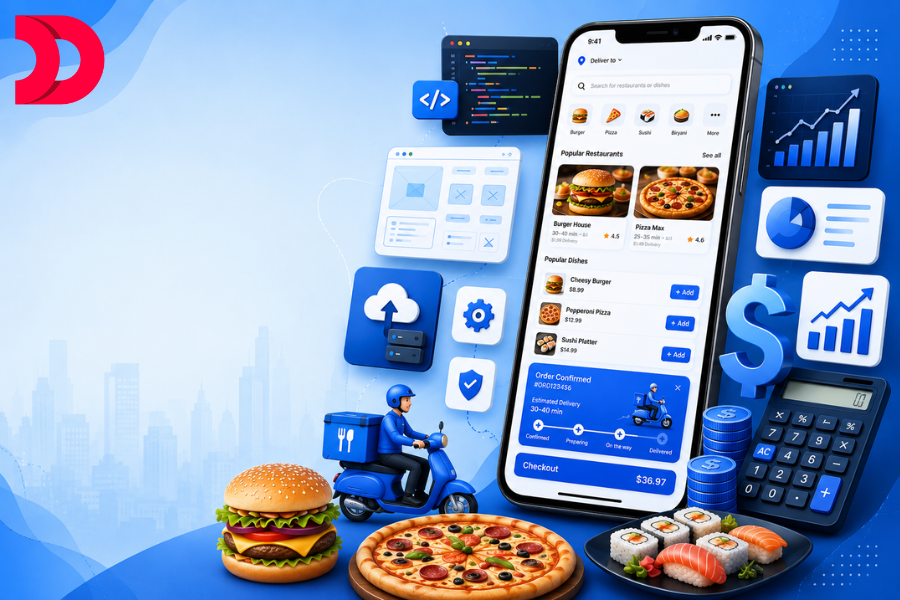
How to Build An Alcohol Delivery App?

With the changing times of today, people’s online shopping habits are quickly evolving. Consumers presently decide to shop online for nearly anything from basics like food to luxury things like jewelry, vehicles, and different things. On-demand applications have extended quickly among recent millennials specifically.

While the practice of placing orders for commodities via cellphones and other kinds of technology is increasing in popularity, research indicates that customers are prepared to sacrifice occasional trips to the liquor shop in favor of purchasing drinks online. The COVID-19 epidemic, as well as social regulatory settings, have contributed to a gradual increase in online liquor app sales.

Taking the next step and an on-demand alcohol delivery app development will be an excellent method for people to order their favorite drinks via the internet. If you have an online liquor delivery license, you can get started with Liquor Delivery App development!

Today, through this blog, we’ll go over a few central points that business people ought to know about before sending off an on-demand alcohol delivery app. Explore if you’re considering making one for yourself! Thus, we should begin!

Steps to follow for Building an On-Demand Alcohol Delivery App:

Here are the moves to build an alcohol delivery application:

Understanding the On-Demand Alcohol Delivery Market.

Before starting the development cycle, it is basic to comprehend the quirks of the on-demand alcohol delivery market. Look at the ongoing players, including their objective market, valuing process, and certain selling features. Examine the current players, including their target market, pricing strategy, and distinctive selling qualities. This will assist you in identifying potential opportunities and areas for development.

Research and Identifying Your Target Audience

Choose an audience for your on-demand booze delivery app. Consider preferences, age, and geographic area. Conduct market research, analyze your consumers’ behavior, and identify areas of pain for them to tailor your app’s features and services to their needs.

Define Key Features and Functionality

Determine the major features and services of your booze delivery on-demand application according to your target audience’s preferences. They could feature user registration and product catalogs, extensive search capabilities, personalized suggestions, a simple purchase process with secure payment choices, order tracking in real-time, and customer support.

Choosing the Right Tech Stack

Consider scalability, security, performance, and the possibility of future advancements. Programming languages like JavaScript, frameworks like React Native, and databases like MongoDB are the most frequent technologies used to construct applications for on-demand delivery.

Designing an Intuitive User Interface

Make sure your application’s interface is simple and easy to use. Take note of the visual appeal, navigation flow, and ease of use. Ensure that customers can easily browse the products, add them to their basket, and complete the checkout procedure.

Building a robust backend system

Create a comprehensive backend system capable of handling the complexities of inventory management, order user data, orders, and delivery logistics. Create a scalable database structure and APIs to connect your app’s backend and frontend components.

Implementing Secure Payment Gateways.

Install secure and dependable payment gateways to facilitate transactions on your website. Partner with reputable merchants to ensure the security of your users’ financial information and build customer trust.

Integrating third-party APIs for inventory management.

Collaborate with liquor stores and suppliers by connecting third-party APIs to monitor inventories in real-time. This ensures that your app’s product catalog is always up to date and that users have accurate information about the products available.

Ensure compliance with local alcohol regulations.

Compliance with local alcohol legislation is essential for operating lawfully and avoiding legal issues. Learn about alcohol laws and licensing requirements in your chosen region, and make sure your application follows all rules.

Testing and Quality Assurance

Test your on-demand alcohol delivery app on a few working platforms to guarantee a decent client experience. Conduct usability, functional, and performance testing, and address any problems or defects that may arise.

Launching and Marketing your App

Make a thoroughly reviewed launch for your liquor delivery on-demand application. Use social media, influencer marketing, and designated promotions to bring issues to light and direct people to your site. Give motivating forces to promotional gifts to draw in clients to cooperate with you all along.

Bottom Line:

Many industries, including the liquor industry, have seen their entire trading environments change as a result of modernization; despite the numerous benefits that the online liquor business provides, liquor and wine retailers are transitioning from offline to online trading to meet the demands of the developing market. If your online liquor delivery software has a distinct selling point, it stands a better chance of success.

If you want to learn more about online alcohol delivery app development or want to create your own, please contact DevsTree- An Alcohol Delivery App company; DevsTree’s professionals would love to hear your ideas! Hire Alcohol Delivery App Developers in UK from us.