

 James
James
 October 24, 2024
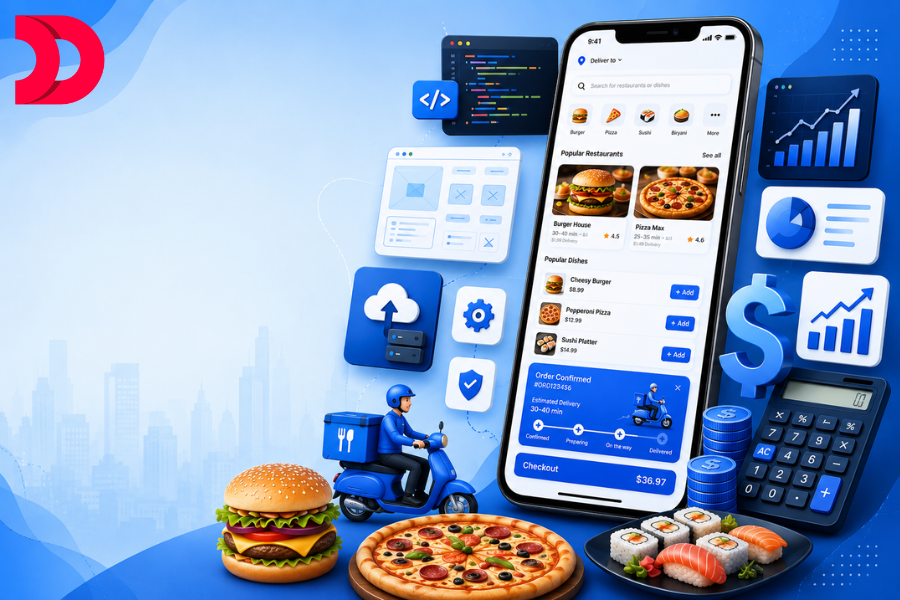
The food delivery industry has experienced remarkable growth over the past decade, transforming the way people order and enjoy their favorite meals. With the increasing adoption of smartphones and on demand services, customers now expect fast, convenient, and reliable food delivery experiences directly from their mobile devices. Platforms like Just Eat, Uber Eats, Deliveroo, and DoorDash have revolutionized the restaurant industry by connecting customers with thousands of restaurants through a single application.
As the demand for online food ordering continues to grow, many startups, restaurant chains, and entrepreneurs are exploring opportunities to launch their own food delivery platforms. However, one of the most common questions businesses ask before starting their project is: how much does it cost to build a food delivery app like Just Eat?
The answer depends on several factors, including app complexity, feature requirements, technology stack, platform selection, UI/UX design, third party integrations, and the location of the development team. A simple food delivery app may require a modest investment, while a feature rich platform with real time tracking, payment processing, loyalty programs, and advanced analytics can require a significantly larger budget.
The cost of developing a food delivery app like Just Eat depends on several technical and business factors. Understanding these factors can help businesses estimate their budget more accurately and avoid unexpected expenses during development.
Features and Functionality
Features are one of the biggest cost drivers in food delivery app development. A basic application with restaurant listings, menu browsing, ordering, and payment functionality will cost significantly less than a platform that includes advanced capabilities.
Modern food delivery apps often include features such as real time order tracking, push notifications, customer loyalty programs, AI powered recommendations, multiple payment options, and delivery route optimization. Every additional feature requires more development hours, testing, and maintenance, which increases the overall project cost.
Businesses should focus on launching a Minimum Viable Product (MVP) first and gradually introduce advanced features based on customer feedback and market demand.
Platform Selection
The platform you choose also affects development costs. Building a food delivery app exclusively for Android or iOS is generally more affordable than developing for both platforms simultaneously.
Many businesses choose cross platform technologies such as Flutter or React Native because they allow developers to create applications for both Android and iOS using a single codebase. This approach reduces development time and overall costs while maintaining a consistent user experience.
UI/UX Design
User experience plays a major role in the success of food delivery applications. Customers expect intuitive navigation, fast performance, attractive visuals, and a seamless checkout process.
Custom UI/UX design requires additional research, wireframing, prototyping, and testing. While custom designs increase development costs, they often improve customer retention and user satisfaction, making them a worthwhile investment.
Development Team Location
The location of the development team significantly impacts project costs. Developers in North America and Western Europe generally charge higher hourly rates than teams in Eastern Europe or Asia.
Average hourly rates typically range as follows:
| Region | Hourly Rate |
|---|---|
| North America | £80 – £180 |
| Western Europe | £70 – £150 |
| Eastern Europe | £30 – £80 |
| India & Asia | £20 – £60 |
Many businesses choose offshore development partners to reduce costs while maintaining high quality standards.
Estimated Cost Breakdown of a Food Delivery App
The total development cost can vary greatly depending on project requirements. A basic MVP food delivery application may cost between £40,000 and £80,000, while a fully featured platform like Just Eat can exceed £200,000.
Here is a typical cost breakdown:
| Development Stage | Estimated Cost |
|---|---|
| Planning & Discovery | £3,000 – £10,000 |
| UI/UX Design | £5,000 – £15,000 |
| Development | £20,000 – £100,000+ |
| Testing & QA | £3,000 – £10,000 |
| Deployment & Launch | £5,000 – £10,000 |
| Ongoing Maintenance | £500 – £5,000/month |
These estimates may vary depending on feature complexity, integrations, and business requirements.
Types of Food Delivery Apps
Food delivery applications are not all built using the same business model. Different types of food delivery apps serve different audiences and business goals.
Restaurant Aggregator Apps
Restaurant aggregator platforms allow customers to browse and order from multiple restaurants through a single application. These platforms act as intermediaries between customers and restaurants while earning revenue through commissions and delivery fees.
Examples include Just Eat, Grubhub, and Zomato.
Restaurant Chain Apps
Restaurant chains often develop their own dedicated applications to manage orders directly and strengthen customer relationships.
Examples include Domino’s Pizza, McDonald’s, and Subway.
Meal Kit Delivery Apps
Meal kit delivery apps provide customers with pre measured ingredients and recipes that can be prepared at home.
Examples include HelloFresh and Blue Apron.
Grocery Delivery Apps
These platforms focus on delivering groceries rather than prepared meals. Customers can browse products, place orders, and schedule deliveries.
Examples include Instacart and Amazon Fresh.
On Demand Delivery Apps
These applications provide various delivery services, including food, groceries, and convenience items.
Examples include Uber Eats, DoorDash, and Postmates.
Common Challenges in Food Delivery App Development
Developing a food delivery application involves several technical and operational challenges.
Integration with Multiple Systems
Food delivery apps must integrate with payment gateways, restaurant management systems, delivery tracking systems, and customer support tools. Managing these integrations can be complex and time consuming.
Real Time Delivery Tracking
Customers expect accurate tracking information and estimated delivery times. Implementing GPS tracking and route optimization systems requires advanced development expertise.
Data Security
Food delivery platforms handle sensitive customer information, including payment details and personal data. Strong security measures must be implemented to protect user information and comply with regulations.
Managing High Order Volumes
During peak hours, food delivery platforms may receive thousands of simultaneous orders. The infrastructure must be scalable enough to handle heavy traffic without affecting performance.
Building Customer Loyalty
The food delivery market is highly competitive. Businesses must invest in loyalty programs, personalized offers, and excellent customer experiences to encourage repeat orders.
Technology Stack Required for Food Delivery App Development
Choosing the right technology stack is crucial for building a scalable and reliable food delivery application.
Frontend Development
Modern food delivery apps are commonly developed using:
• Flutter
• React Native
• Swift
• Kotlin
Backend Development
Popular backend technologies include:
• Node.js
• Laravel
• Django
• Ruby on Rails
Cloud Infrastructure
Cloud services help manage scalability and data storage efficiently.
Popular options include:
• AWS
• Google Cloud
• Microsoft Azure
Payment Gateway Integration
Secure payment processing is essential for food delivery platforms.
Common payment gateways include:
• Stripe
• PayPal
• Braintree
Real Time Data Management
Technologies such as Firebase and Socket.IO help deliver real time notifications, tracking updates, and messaging functionality.
Food delivery applications generate revenue through multiple streams.
The most common monetization methods include restaurant commissions, delivery charges, featured restaurant listings, subscription plans, and in app advertising.
Many successful platforms combine several revenue streams to maximize profitability while maintaining competitive pricing.
Building a food delivery app like Just Eat requires more than just attractive design and ordering functionality. Businesses must invest in scalable technology, reliable delivery management, secure payment processing, and seamless user experiences to succeed in this competitive industry.
While development costs can range from £40,000 to over £200,000 depending on complexity and features, a well planned food delivery platform can generate significant long term revenue and business growth.
If you are planning to develop a food delivery application, partnering with an experienced mobile app development company can help you reduce development risks, optimize costs, and bring your idea to market faster.
At Devstree IT Solution, we specialize in building scalable food delivery apps, restaurant platforms, and on demand delivery solutions tailored to your business requirements. Our team can help you transform your vision into a powerful digital product designed for long term success.
 James
August 10, 2026
James
August 10, 2026
Launching a Software as a Service (SaaS) product is an…
Read more
 James
July 23, 2026
James
July 23, 2026
Globally, the travel and property sectors have witnessed massive shifts…
Read more
 James
July 17, 2026
James
July 17, 2026
The mobile gaming industry continues to grow at an impressive…
Read more
 James
July 13, 2026
James
July 13, 2026
Food delivery apps have transformed the way people order meals,…
Read more