Chat on WhatsApp

How AR is Changing Games: Key Benefits and Ideas

Augmented Reality (AR) has revolutionized gaming, merging the digital and real worlds to create unparalleled experiences. By 2025, AR is set to redefine the gaming landscape, offering immersive gameplay, innovative features, and interactive environments that push the boundaries of creativity and technology. Let’s dive into the key benefits and emerging ideas shaping the AR gaming industry.

Key Benefits of AR in Gaming

  1. Immersive Gameplay

AR games transform players’ surroundings into interactive gaming environments. Instead of being confined to a screen, players engage with their physical spaces, creating deeper emotional connections to the game.

  1. Enhanced Social Interaction

AR promotes multiplayer experiences by enabling users to interact in shared spaces. Friends and family can collaborate or compete in games that blur the line between reality and the virtual world.

  1. Educational Opportunities

Gamified learning through AR is gaining traction. By combining entertainment with education, AR games teach valuable skills like problem-solving, teamwork, and even history or science concepts.

  1. Customization and Personalization

AR games often adapt to a player’s environment and preferences, providing a tailored experience. This personalization ensures a unique gaming journey for every individual.

  1. Health and Fitness Benefits

By encouraging movement and exploration, AR games like Pokémon GO have shown that gaming can be active and healthy. These games promote physical activity while delivering engaging gameplay.

Innovative AR Gaming Ideas for 2025

  1. Persistent AR Worlds

Developers are crafting AR games with persistent worlds—virtual spaces that exist and evolve, even when players log off. These worlds integrate with the real environment, offering continuous engagement and real-time updates.

  1. AR-Powered eSports

Imagine professional gamers competing in real-world stadiums enhanced with AR visuals. This concept could revolutionize eSports by merging physical and virtual elements for spectators and players alike.

  1. Integration with Wearable Tech

The rise of AR-compatible wearables, such as smart glasses, will enhance accessibility and immersion. These devices can replace traditional controllers, offering intuitive controls and a seamless gaming experience.

  1. Smart City Integration

Future AR games could integrate with urban environments, allowing players to unlock quests, solve puzzles, and engage in interactive stories as they navigate their cities.

  1. AI-Driven AR Characters

AR games in 2025 may feature AI-powered NPCs (non-playable characters) capable of learning and adapting to players’ behaviors, making interactions more realistic and engaging.

Challenges and the Road Ahead

While AR gaming holds immense potential, it’s not without challenges. High development costs, hardware limitations, and concerns about privacy and safety are hurdles the industry must address. Nonetheless, advancements in 5G, AI, and wearable tech are paving the way for AR’s bright future in gaming.

Conclusion

By 2025, AR will continue to shape the gaming world with innovations that captivate and inspire. Whether it’s persistent virtual worlds, AR-driven eSports, or immersive educational experiences, the possibilities are endless. At Devstree UK, we’re excited to explore the intersection of AR and gaming, building solutions that redefine entertainment for players worldwide.

Let us help bring your AR gaming ideas to life. Contact us today to start your journey into the future of gaming!

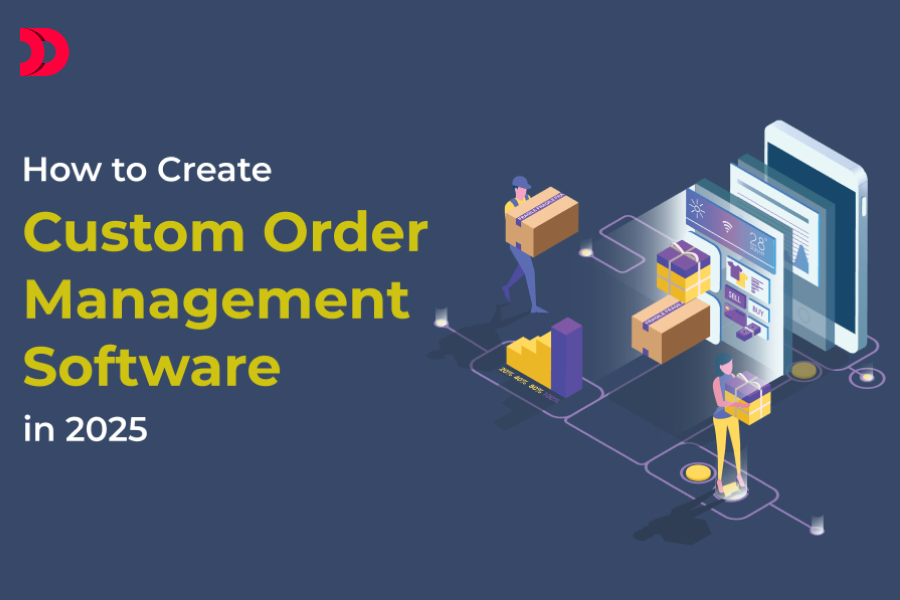
How to Create Custom Order Management Software

With the pace of the digital economy, more and more companies are now adopting efficient order management systems to streamline their operations, boost customer satisfaction, and increase revenues. Custom order management software has become a need for those companies looking to tailor solutions to suit specific needs. This blog delves into the steps involved in creating effective custom order management software in 2025, including some key features, technologies, and considerations in working with a custom software development company.

Understanding Order Management Software

From order placing to delivery, the order processing workflow is intended to be automated and streamlined by the order management software, or OMS. This type of software is designed to assist companies with inventory management, shipping tracking, payment processing, and refund handling. It improves efficiency and customer experience in the overall process since features can be customized for business-specific needs.

Key Features to be included in Custom Order Management Software:

When developing custom order management software, the following key features should be included:

  • The User-Friendly Interface: Make the interface clean and more intuitive. This will bring ease of use for a customer as well as in-house staff. Streamlining navigation and a visually appealing design are elements of effective order management
  • Order Tracking: Real-time tracking of orders allows a customer to monitor their orders over the fulfillment process, thus offering greater transparency and trust.
  • Inventory management: The integrated inventory management system will enable companies to track the levels of their stock, reorder control, and avoid both stockout and overstock situations.
  • Multi-Channel Integration: Since companies sell through several channels, including social media, brick-and-mortar stores, and e-commerce sites, multi-channel integration is necessary to process orders efficiently.
  • Payment Processing: Secure payment gateways should be included to allow for various payment options, making it more convenient for customers.
  • Reporting and Analytics: Complete reporting tools inform sales trends, customer behavior, and inventory turnover to help a business make the right decisions.
  • Customer Support Integration: Adding customer support features such as chatbots or helpdesk functionality improves the satisfaction of customers and reduces the time it takes to resolve issues with orders.
  • Mobile Access: With mobile commerce on the rise, developing an on-demand app development solution that allows users to place and manage orders from smartphones is becoming more important.

Steps to Develop Custom Order Management Software

  1. Define Your Needs:

Before start developing, define your requirements including business needs, target audience, and specific functionalities. In this stage, consultations with stakeholders from the sales, inventory management, and customer support teams must be made to ascertain what features are preferred.

  1. Select a Development Approach:

Decide whether to construct a web-based application a mobile app, or both. A web application benefits the desktop user, while on-the-go customers are best facilitated by mobile apps. As such, work with a reputable software development agency to assess what is best for the business model.

  1. Select the Right Technology Stack:

Choose a technology stack that fits the requirements of your project to be scalable. Some of these popular ones include:

  • Frontend Technologies: React, Angular, or Vue.js for building interactive user interfaces.
  • Backend Technologies: Node.js, Python (Django or Flask), or Java (Spring) for robust server-side development.
  • Database Management: MySQL, PostgreSQL, or MongoDB for efficient data storage and management.
  • Cloud Services: Use cloud platforms such as AWS, Azure, or Google Cloud for hosting and scalability.
  1. Design the User Interface:

Design wireframes and prototypes to envision the application layout and user flow. Focus on providing a seamless user experience through intuitive navigation and accessibility.

  1. Development and Testing:

Start developing according to agile methodologies to deliver the project on time while allowing flexibility. Testing is always an important part of the process as it identifies bugs and rectifies them to ensure that the software delivers as expected. Use unit testing, integration testing, and user acceptance testing.

  1. Deployment and Launch:

After testing is done, deploy the logistics software solutions in a production environment. Test all components to work as expected and perform the last round of testing before releasing it to the users.

  1. Ongoing Maintenance and Support:

After launching, give constant maintenance and updates to solve any problems arising, implement user feedback, and adjust to changing business needs. Continuous improvement is what maintains user satisfaction and software efficiency.

Conclusion:

Developing in-house order management software in 2025 is a strategic investment that companies are using to help optimize their order processing abilities. To meet your requirements, build essential features into it, and collaborate with an experienced development partner, you’ll be building a solution that drives efficiency enhances customer satisfaction and fuels business growth. 

At Devstree, we specialize in custom software development that is tailored to your business needs. Contact us today to learn how we can assist you in transforming your order management processes and driving your business forward!

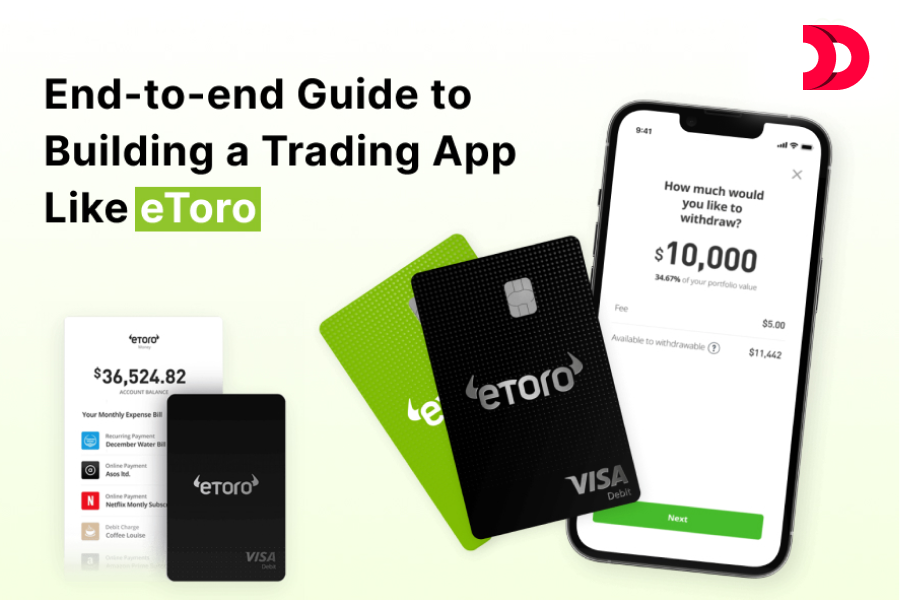
End-to-end Guide to Building a Trading App Like eToro

Once upon a time, trading was done manually only. It was very difficult and very far from our convenience. Many markets are improving as a result of technological advancements, and the financial sector is no exception.

People place their money and pay in numerous ways. Some people prefer to invest their money in financial transactions by purchasing stock in various companies, while others prefer to keep it in common and valuable reserves.

People have complete faith in apps. It makes the market more accessible by allowing users to simply manage their virtual portfolios in a given environment. eToro is the most user-friendly trading platform.

Scroll down for additional information about stock trading mobile app development and end-user usability. Learn how to create a stock trading app similar to the Trading App Like eToro.

How Do You Create An App Like eToro?

Trading app development like eToro can be a challenging project that demands programming and software development knowledge. Here are a few key steps to take to develop your trading app:

Choose your Target Audience

Before you begin to develop your trading app, you must first choose who your target audience is. eToro primarily serves retail investors interested in investing in the stock market or cryptocurrencies, but it also attracts traders and professional investors. You have to understand who will use your app and what features are a must for their ease of use.

List out the must-have Features

After identifying your target audience, the following stage is to plan the app’s features. A trading platform, social trading, instructional tools, real-time market data, and portfolio tracking are some of the must-have features you should include in your app.

Select Technology Stack First

The next step is to choose the technology stack dependent on the features of the app.  To deliver efficient and trustworthy trading platforms, stock trading applications frequently use a combination of technologies. To add real-time data to your trading app, you have to select an API to offer such data.

Set up your App Development Team

The success of your trading app depends on the talents and knowledge of the development team you select and organize. Your team should have  

JavaScript Web developers, Designers of user interfaces, Android testers and developers, Swift programmers for iOS development and so on. Choose your team wisely.  

Include Social Trading Elements

One of the reasons for eToro’s popularity is its social trading function. eToro has made it easier for new investors to invest in the stock market by allowing users to imitate the moves of professional traders. Hire dedicated mobile app developers who can add social trading functionality to your software.

Maintain Security and Observance

Trading and investing platforms are subject to strict rules. You have to take care of the things that your app complies with them. Moreover, you have to give a guarantee about your app’s safety and security of the user data.  

Test and Release Your App

Testing is very important after the development. You’ll need to thoroughly test it to ensure that it works as it should. You might also wish to run beta testing with a group of genuine people to get feedback. When you’re finished, you can submit your app to app stores.

Maintain and Improve

The job does not end after your app is out. You must monitor user feedback and app performance and make necessary improvements. Regular updates and bug fixes will be required to keep your program competitive in a crowded market.

Bottom Line

We know you’ve come this far with the intention of creating a fintech app similar to eToro, but you’ll need the best trading app development company on the market. Hire a reliable trading app development company to help your business in this fiercely competitive environment.

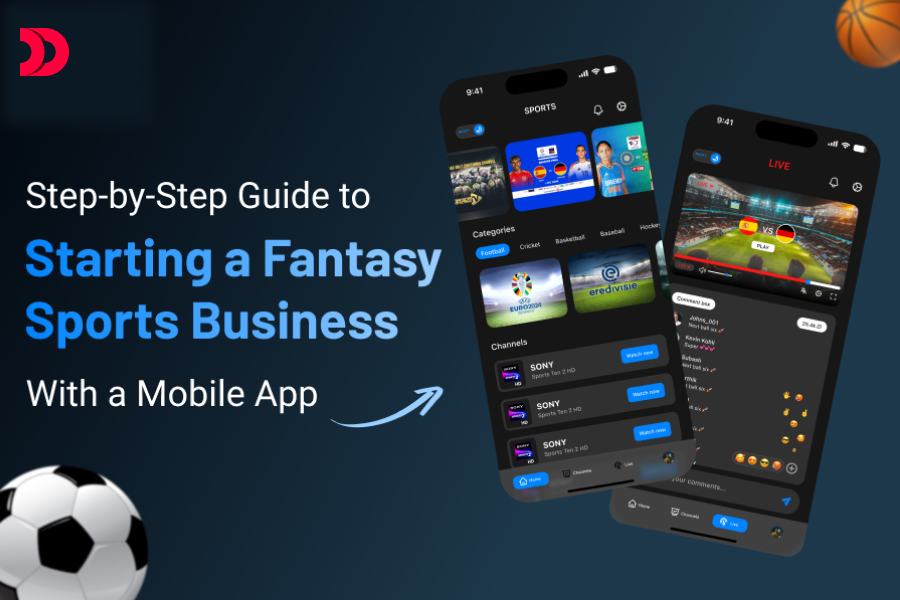
Step-by-Step Guide to Starting a Fantasy Sports Business with a Mobile App

Fantasy sports have skyrocketed in popularity over the past decade, transforming from a niche hobby to a mainstream obsession. With millions of avid fans and players worldwide, the industry presents a lucrative opportunity for entrepreneurs. If you’re looking to break into this exciting market, launching a fantasy sports business with a mobile app is a smart move. Here’s a step-by-step guide to help you through the process:

Step 1: Market Research and Planning

Identify Your Niche

The first step is to determine the specific niche you want to target within the fantasy sports industry. Popular options include football (soccer), American football, basketball, baseball, and cricket. Understanding your audience’s preferences will help tailor your app to meet their needs.

Analyze Competitors

Research existing fantasy sports platforms to understand what they offer and identify gaps in the market. Look at user reviews, features, and their marketing strategies. This analysis will help you design a unique and competitive product.

Create a Business Plan

A solid business plan outlines your business model, revenue streams, marketing strategy, and financial projections. This document is crucial if you need to secure funding or attract investors.

Step 2: Legal Considerations

Understand Legalities

Fantasy sports regulations vary by country and state. Ensure you understand the legal requirements and restrictions in your target market. You may need to consult with a legal expert to navigate the complexities of gambling laws and obtain necessary licenses.

Draft Terms and Conditions

Your app must have clear terms and conditions, privacy policies, and user agreements to protect your business and comply with legal standards.

Step 3: Design and Development

Choose a Mobile App Development Company

Hiring a skilled mobile app development company is crucial. Whether you decide to hire an in-house team, a freelancer, or an experienced development agency, ensure they have expertise in building sports-related apps. A professional mobile app development company will provide the necessary mobile app development services to bring your vision to life.

Define Key Features

Your app should offer essential features such as:

  • User registration and profile management
  • Live drafts and auctions
  • Real-time scoring and updates
  • League management and customization
  • Social sharing and chat features
  • Secure payment gateways
  • Create a User-Friendly Design

A clean, intuitive design enhances user experience. Focus on easy navigation, engaging visuals, and responsive design for various devices. A smooth user interface can set your app apart from competitors.

Develop an MVP

A Minimum Viable Product (MVP) contains the essential features needed to launch your app. This approach allows you to enter the market faster and gather user feedback for future improvements.

Step 4: Testing and Launch

Beta Testing

Conduct thorough testing to ensure your app is bug-free and performs well under different conditions. Beta testing with a small group of users can provide valuable insights and highlight areas for improvement.

Launch the App

Once testing is complete, launch your app on major platforms like the Apple App Store and Google Play Store. Ensure you meet all the platform requirements for a smooth submission process.

Step 5: Marketing and User Acquisition

Develop a Marketing Strategy

Effective marketing is key to attracting users. Utilize social media, SEO, content marketing, and paid advertising to promote your app. Collaborate with sports influencers and bloggers to reach a broader audience.

Offer Incentives

Attract users by offering incentives such as sign-up bonuses, referral rewards, and free trials. These strategies can help you quickly build a user base.

Engage with Users

Maintain engagement with your users through regular updates, new features, and customer support. Collect feedback and make improvements to enhance user satisfaction and retention.

Step 6: Monetization Strategies

Implement Revenue Streams

There are various ways to monetize your fantasy sports app, including:

  • Entry fees for participating in leagues
  • Premium memberships offering exclusive features
  • In-app advertisements
  • Sponsorships and partnerships

Monitor and Optimize

Regularly analyse your app’s performance and user engagement metrics. Use this data to optimize your monetization strategies and ensure sustainable growth.

Conclusion

Starting a fantasy sports business with a mobile app involves careful planning, legal considerations, and strategic marketing. By following this step-by-step guide and leveraging the expertise of a mobile app development company, you can turn your passion for sports into a profitable venture. Whether you choose to hire a mobile app developer or seek comprehensive mobile app development services, staying adaptable and responsive to market trends will keep your app relevant and engaging for users.

Benefits of Blockchain in the Automotive Industry

Blockchain technology is gaining traction in numerous sectors, including the automotive industry. As the need for transparency and security grows, blockchain emerges as a solution that can transform traditional processes. But what is blockchain technology, and why is it crucial across industries? Let’s dive into these topics before exploring the benefits of blockchain in the automotive sector.

What is Blockchain Technology?

Blockchain technology is a decentralized digital ledger that records transactions across multiple computers. This system ensures transparency, security, and immutability of data. Each block in the chain contains a record of transactions, and once a block is added, it cannot be altered. This makes it a reliable solution for various industries, including automotive, finance, and education.

Why Blockchain in the Education Industry?

The education industry can also benefit significantly from blockchain technology. It allows for secure record-keeping of academic credentials, reducing instances of fraud and simplifying student transfers between institutions. Additionally, blockchain helps educational institutions create verifiable records of certifications and student achievements, streamlining the overall process.

Blockchain in the Automotive Sector: Benefits

Blockchain offers a myriad of benefits for the automotive industry, impacting everything from vehicle security to supply chain management. Here’s a closer look at the advantages:

Enhanced Supply Chain Transparency

Automotive manufacturers often deal with complex supply chains involving multiple stakeholders. Blockchain helps track every part from its origin to the assembly line. This transparency reduces counterfeiting risks and ensures that customers receive genuine parts. Many leading automotive firms are turning to blockchain development companies to optimize their supply chain management.

Improved Vehicle Data Security

Modern vehicles generate a wealth of data, including maintenance records and driving patterns. Blockchain securely stores and shares this data with manufacturers, dealerships, and service centers. This approach builds trust and transparency among stakeholders, making blockchain development cost-effective in the long run.

Simplified Financial Transactions

Blockchain facilitates smart contracts—self-executing contracts that automatically trigger actions when pre-set conditions are met. This is particularly useful for vehicle leasing, financing, and insurance claims. Smart contracts reduce the need for intermediaries, lowering costs and speeding up the process. Companies looking to streamline these processes often hire blockchain developers with expertise in smart contract development.

Enhanced Vehicle-to-Vehicle Communication

Blockchain also plays a vital role in secure vehicle-to-vehicle (V2V) communication, crucial for connected and autonomous cars. By enabling secure data sharing, blockchain enhances road safety and helps vehicles communicate real-time updates about road conditions, hazards, and traffic.

Efficient Recall Management

Vehicle recalls are expensive and time-consuming. Blockchain can help manufacturers track defective parts efficiently, allowing them to identify affected vehicles quickly. With a secure digital ledger, manufacturers can act promptly to safeguard customers while minimizing costs.

Streamlined Ownership Transfer

Blockchain simplifies vehicle ownership transfers by eliminating the need for extensive paperwork. A secure, immutable record of ownership can be created digitally, enabling a smooth and secure transfer between buyers and sellers.

Fraud Prevention in Second-Hand Markets

Blockchain’s transparent and tamper-proof nature makes it an ideal solution for the used car market. Fraudulent activities like odometer tampering or faking service records can be effectively prevented. Blockchain-based vehicle history records provide buyers with verified information, building trust in the market.

Conclusion

Blockchain technology has proven to be a game-changer not just in the automotive industry but also in the education sector and beyond. From improving supply chain transparency to preventing fraud, blockchain has numerous applications that offer efficiency and security. Many companies are already leveraging this technology by collaborating with blockchain development company or hiring blockchain developers to integrate it into their operations.

The investment in blockchain development might seem substantial initially, but it leads to significant savings, efficiency gains, and customer satisfaction in the long run. As industries continue to embrace blockchain, understanding its benefits and implementation becomes crucial to staying competitive.

How to Estimate the cost of a food delivery app like Just eat?

The cost of developing a food delivery app like Just Eat will depend on several factors, such as the app’s complexity, features, platform, development team location, and hourly rate.

Here are the primary factors that can influence the cost of developing a food delivery app:

Features

The features you want to include in your app will have a significant impact on the cost. A basic food delivery app will cost less than a more advanced app that includes features like real-time tracking, in-app payments, and customer loyalty programs.

Platform

The platform you choose for your app will also affect the cost. Developing an app for both iOS and Android will cost more than developing an app for a single platform.

Design

The design of your app is another factor that can influence the cost. A custom design will cost more than a pre-made template.

Development Team

The location of your development team will also impact the cost. Hiring a development team in the US or Western Europe will cost more than hiring a team in Eastern Europe or Asia.

Based on these factors, the estimated cost of developing a food delivery app like Just Eat can range from £40,000 to £200,000 or more.

Here is a breakdown of the estimated cost by the development stage:

Planning and Design: £3,000 to £10,000

Development: £20,000 to £100,000

Testing and Quality Assurance: £3,000 to £10,000

Deployment and Launch: £5,000 to £10,000

Maintenance and Updates: £500 to £5,000 per month

However, keep in mind that these are only rough estimates, and the actual cost can vary depending on several factors. It is best to consult with a professional app development company to get an accurate estimate for your specific project.

Type of Food Delivery Apps

There are several types of food delivery apps available, catering to different types of users and their specific needs. Here are some of the most common types of food delivery apps:

Restaurant Aggregator Apps

These apps allow users to browse and order from multiple restaurants in their area. Examples include Just Eat, GrubHub, and Zomato.

Restaurant Chain Apps

These apps are developed and managed by restaurant chains to allow users to order directly from their specific locations. Examples include Domino’s Pizza, McDonald’s, and Subway.

Meal Kit Delivery Apps

These apps allow users to order pre-portioned meal ingredients that they can then cook at home. Examples include HelloFresh, Blue Apron, and Sun Basket.

Grocery Delivery Apps:

These apps allow users to order groceries and have them delivered to their doorstep. Examples include Instacart, FreshDirect, and Amazon Fresh.

On-Demand Delivery Apps:

These apps are not solely focused on food delivery but offer a range of on-demand services, including food delivery. Examples include UberEats, Postmates, and DoorDash.

Healthy Meal Delivery Apps:

These apps offer users a variety of healthy meal options that are designed to fit specific dietary requirements. Examples include Kettlebell Kitchen, Freshly, and Trifecta.

Specialty Food Delivery Apps:

These apps specialize in delivering specific types of food, such as vegan, organic, or ethnic cuisine. Examples include Purple Carrot, Thrive Market, and Goldbelly.

Each of these types of food delivery apps caters to a different type of user and can provide a unique experience for users looking for a specific type of food or service.

Top Challenges Faced While Developing A Food Delivery Application

Building a food delivery app can be challenging, and here are some common challenges that developers may face:

Integration with Multiple Systems

Food delivery apps often require integration with multiple systems such as payment gateways, delivery management systems, and restaurant POS systems. Integration can be complex and time-consuming, especially if these systems use different technologies.

Managing Real-time Delivery

Real-time tracking of delivery drivers, accurate delivery time estimation, and automatic dispatching can be challenging. A delay in delivery can cause frustration for users, so it’s essential to ensure that the delivery process is seamless.

Ensuring Data Security

Food delivery apps store sensitive information such as payment details and customer information. Ensuring the security of this data is crucial and requires a robust security system to protect the user’s information.

Managing Large Volumes of Orders

During peak hours, food delivery apps can receive an overwhelming number of orders. Managing these orders and ensuring that they are fulfilled accurately and on time can be a challenging task.

Building User Loyalty

The food delivery market is highly competitive, and users have a range of options to choose from. Building user loyalty can be difficult, and food delivery apps must provide an exceptional user experience to keep users coming back.

Providing Accurate Menu and Pricing Information

Keeping menus and pricing up-to-date is crucial for customer satisfaction. Inaccurate or outdated information can lead to customer complaints and negatively impact the user experience.

Overcoming these challenges requires careful planning and execution, along with a team of experienced developers and designers. It’s important to take into account these challenges when building a food delivery app to ensure a successful launch and positive user experience.

What Technology Stacks Are Needed

Building a food delivery app requires a technology stack that can handle multiple functionalities and integrate with various systems. Here are some of the essential technology stacks that are typically used in food delivery app development:

  1. Programming Languages: Java, Swift, Kotlin, Python, and Node.js are commonly used programming languages for developing food delivery apps.
  2. Mobile App Development Platforms: iOS and Android are the most popular mobile app development platforms for food delivery apps. Developers can use frameworks such as React Native, Flutter, or Xamarin to build cross-platform apps that work seamlessly on both iOS and Android devices.
  3. Backend Development: Backend development technologies such as PHP, Ruby on Rails, and Django are used to develop the backend of the food delivery app. These technologies help to manage user data, payment information, and order processing.
  4. Cloud Storage: Cloud storage services such as Amazon S3 or Google Cloud Storage are used to store user data, order history, and other important information.
  5. Payment Gateways: Payment gateway integration is crucial for food delivery apps. Popular payment gateway options include Stripe, PayPal, and Braintree.
  6. Real-Time Data Management: Real-time data management technologies such as Firebase can be used to handle real-time updates and notifications for order status and delivery tracking.
  7. APIs: APIs play an important role in integrating different systems such as payment gateways, delivery management systems, and restaurant POS systems.

Developers can use these technology stacks to create a scalable, secure, and reliable food delivery app that provides a seamless user experience. However, the choice of technology stack may vary depending on the app’s requirements, platform, and development team’s expertise.

Final thoughts

Devstree IT Services is a software development company that specializes in web and mobile application development. They have expertise in developing native and hybrid mobile apps for both iOS and Android platforms. Their mobile app development services include building custom mobile apps, developing minimum viable products (MVPs), and providing maintenance and support services.

Devstree IT Solutions has a team of experienced mobile app developers who have expertise in various technologies such as Swift, Kotlin, Java, React Native, and Flutter. They use modern development methodologies and best practices to ensure the quality and scalability of their mobile apps.

In addition to mobile app development, Devstree IT Services also offers design and UX services to provide an exceptional user experience for their clients’ mobile apps. They also provide backend development services to manage data storage and processing for their mobile apps.

Devstree IT Services has worked with clients in various industries, including healthcare, finance, education, e-commerce, and more. They have a proven track record of delivering high-quality mobile apps that meet their client’s specific requirements and provide value to their business.

Overall, Devstree IT Solution UK is a reliable and professional mobile app development company that can provide end-to-end solutions for clients’ mobile app development needs.

Secure Payment Gateway Integration: A Step-by-Step Guide

Introduction In today’s digital world, secure payment gateway integration is crucial for businesses that conduct online transactions. A payment gateway acts as a bridge between the customer, merchant, and financial institutions, ensuring the secure transfer of sensitive payment information. This step-by-step guide will walk you through the process of integrating a secure payment gateway into your website, helping you protect customer data and build trust in your online business.

Understanding Payment Gateways

Before diving into the integration process, it’s essential to understand what a payment gateway is and how it works. A payment gateway is a software application that authorizes and facilitates online payments, securely transmitting sensitive customer data between the merchant’s website and the financial institutions involved. It encrypts the information to ensure confidentiality and provides a seamless payment experience for customers. Some popular payment gateways include PayPal, Stripe, and Braintree.

Choosing the Right Payment Gateway

Selecting the right payment gateway is crucial for the success of your online business. Consider factors such as security features, transaction fees, integration complexity, and supported payment methods. Research and compare different payment gateway providers to find the one that aligns with your business requirements. Ensure the chosen gateway complies with industry standards such as Payment Card Industry Data Security Standard (PCI DSS) to guarantee data protection.

Obtaining Necessary Credentials

To integrate a payment gateway, you’ll need certain credentials provided by your chosen payment gateway provider. These credentials typically include an API key or merchant ID, which will be used to authenticate your website’s requests to the payment gateway’s servers. Register an account with your chosen payment gateway provider and follow their documentation to obtain the required credentials.

Integrating the Payment Gateway

The integration process varies depending on your website’s platform or content management system (CMS). Most payment gateway providers offer comprehensive documentation and developer tools to guide you through the integration process. Generally, the integration involves adding code snippets or plugins to your website’s checkout or payment pages. Ensure that the integration is secure by using encryption protocols (such as HTTPS) and following the provider’s recommended security practices.

Testing and Sandbox Environment

Before going live, it’s crucial to thoroughly test the payment gateway integration. Most payment gateway providers offer a sandbox or testing environment where you can simulate transactions without processing real payments. This allows you to validate the integration, test various scenarios, and ensure the seamless functioning of the payment flow.

Ensuring Security

Security should be a top priority when integrating a payment gateway. Implement security measures such as SSL/TLS encryption, tokenization, and adhering to PCI DSS compliance standards. Regularly update your website’s software, including plugins or extensions related to the payment gateway. Monitor and promptly address any vulnerabilities or security patches released by the payment gateway provider.

Conclusion

Integrating a secure payment gateway into your website is crucial for providing a safe and seamless payment experience to your customers. By understanding the payment gateway, selecting the right provider, following the integration process diligently, and ensuring robust security measures, you can protect sensitive customer data and build trust in your online business. Invest the necessary time and effort to implement a secure payment gateway, and reap the benefits of increased customer confidence and successful online transactions.

Are you thinking about whether Payment Gateway Integration could be the perfect option for you? Contact us for a discussion on Integrate Payment Gateway Services.

All You Need to Know About Cross-Platform App Development

Introduction

In today’s fast-paced digital world, businesses and developers are constantly seeking efficient ways to reach a broader audience. One of the most effective methods is through cross-platform app development. This approach allows developers to create applications that can run on multiple operating systems with a single codebase, saving time, resources, and effort. In this blog, we’ll dive into everything you need to know about cross-platform app development, its benefits, challenges, popular frameworks, and best practices.

What is Cross-Platform App Development?

Cross-platform app development refers to the process of creating software applications that are compatible with multiple mobile operating systems, such as iOS, Android, and Windows. Instead of writing separate code for each platform, developers use a single codebase to produce apps that work seamlessly across different devices.

Benefits of Cross-Platform App Development

Cost-Efficiency

One of the most significant advantages of cross-platform development is cost-efficiency. Developing a single codebase for multiple platforms reduces the need for separate teams and resources, thereby lowering overall development costs.

Faster Time to Market

With cross-platform development, developers can simultaneously launch applications on various platforms. This approach significantly reduces the time required to bring an app to market, giving businesses a competitive edge.

Consistent User Experience

Cross-platform apps provide a consistent user experience across different devices. Since the same codebase is used, maintaining uniformity in design and functionality becomes easier, ensuring that users have a similar experience regardless of the platform they are using.

Easier Maintenance and Updates

Maintaining and updating cross-platform apps is more straightforward compared to native apps. Updates can be synchronized across all platforms, ensuring that all users have access to the latest features and improvements simultaneously.

Popular Cross-Platform Frameworks

Several frameworks are available for cross-platform app development, each with its unique features and capabilities. Here are some of the most popular ones:

React Native

Developed by Facebook, React Native is one of the most widely used cross-platform frameworks. It allows developers to build mobile apps using JavaScript and React, offering a rich set of components and a vibrant community for support.

Flutter

Flutter, developed by Google, uses the Dart programming language and offers a robust framework for building natively compiled applications for mobile, web, and desktop from a single codebase. It provides a high level of performance and a rich set of customizable widgets.

Xamarin

Owned by Microsoft, Xamarin allows developers to use C# and .NET to create cross-platform apps. It offers a comprehensive set of tools and libraries, making it a popular choice for enterprise-level applications.

Ionic

Ionic is an open-source framework that uses web technologies like HTML, CSS, and JavaScript to build cross-platform mobile apps. It integrates well with Angular, React, and Vue, and offers a rich library of pre-built components.

Challenges of Cross-Platform App Development

Performance Issues

While cross-platform frameworks have made significant strides in performance, native apps still tend to have an edge. Achieving native-like performance can be challenging, especially for graphics-intensive applications.

Limited Access to Native APIs

Cross-platform frameworks might not always provide access to the latest native APIs. This limitation can restrict the use of certain features and functionalities available on specific platforms.

Platform-Specific UI/UX

Creating a truly platform-specific user experience can be challenging with cross-platform development. Despite efforts to maintain consistency, there may be subtle differences that affect the overall user experience.

Debugging Complexity

Debugging cross-platform apps can be more complex compared to native apps. Developers need to account for various platform-specific issues, which can increase the time and effort required for troubleshooting. 

Best Practices for Cross-Platform App Development

Choose the Right Framework

Selecting the appropriate framework is crucial for the success of your cross-platform app. Consider factors such as project requirements, team expertise, and the specific needs of your target audience before making a decision.

Optimize for Performance

Ensure that your app is optimized for performance across all platforms. Use platform-specific code where necessary to enhance performance and provide a smoother user experience.

Focus on UI/UX

Invest time in designing a user interface that adapts well to different platforms. Pay attention to platform-specific guidelines and ensure that your app provides a consistent and intuitive user experience.

Thorough Testing

Conduct thorough testing across all targeted platforms and devices. Cross-platform apps are more prone to compatibility issues, so extensive testing is essential to identify and resolve any potential problems.

Conclusion

In this blog, we’ve explored the transformative potential of cross-platform app development. From enhancing user experiences and providing real-time data to improving efficiency and enabling automation, the synergy between these technologies is undeniable. However, it is crucial to recognize that the specific needs and specifications of each project will significantly impact the development cost. Therefore, consulting a professional mobile application developer is essential. They can provide valuable insights, help you better understand the costs involved, and identify ways to optimize and reduce expenses. Embracing cross-platform app development can significantly enhance your ability to deliver engaging and effective mobile experiences to a diverse audience.

Cross Platform Mobile Development Tools

Cross-platform mobile app development refers to a technique of writing a single codebase for apps that will eventually be used on different operating systems. Google and Apple uplift code to be written in contradicting ways, making it very difficult for programmers to write a singular codebase that is efficient on both platforms. It also means that designers will have to duplicate code and keep tweaking it to work for both platforms.

Below are seven cross-platform tools that will take any developer a long way in creating flexible apps that stand the compatibility test.

MoSync

Whoop

Appcelerator

Widgetpad

RhoMobile

PhoneGap

Xmarin

Mo Sync

Mosync is a Cross-platform App. This platformfor app development includes libraries for common technologies used to shape the future of the web. MoSync supports c/c++, Python, Ruby, Javascript and Java. This platform allows native apps to be shipped to Symbian, Windows Mobile, Linux Mobile, Android, iOS, and iPad platforms effortlessly.

Whoop

Whoop is a cross-platform application and it’s controversial cross-platform app being suitable even for non- developers. However, Whoop is a really basic cross-platform app and misses out on important requirements for the latest features on hardware, even though it is very easy to use.  This cross-platform app works well with Windows Mobile, Symbian Blackberry, Android, iPhone, and other major mobile OS. It is free, with paid getaway packages available.

Appecelator

Appcelerator cross-platform appuses web technology which allows compatibility between platforms. This native platform app are derived from technologies such as HTML5, CSS3, JavaScript, PHP, Python, and Ruby, and rendered on mobile via browsers. This cross-platform is really efficient and gives users access to over 300 API’s.

Widgetpad

Widgetpad cross-platform app is also a web-based platform that can be used for developing mobile software. This cross-app promises a slimmer packaging of key features needed for the important elements of mobile apps. For those who are looking for lightweight solutions, this is the sure way to go.

RhoMobile

RhoMobile cross-platform app is an integrated framework based on Ruby and is used for making apps that work on multiple mobile platforms. This cross-app allows native apps to be created for Windows Mobile, Symbian, Android, iOS, and RIM. RhoMobile cross-app allows developers to code only centrally and comes with support for budding developers.

Phonegap

Phonegap cross-platform app is an award-winning development platform and is capable of handling apps for Android, Symbian, Palm, Blackberry, iPhone, and iPads. PhoneGap cross-app is very efficient and gives the developer easy access to advanced hardware components like the accelerometer and GPS tracker.

Xmarin

Xmarin is a cross-platform app is C#-based platform where code is written generally for iOS and Android. This cross-platform app is versatile and adaptive for a large team that works on different paths. Xmarin cross-app is rather advanced and allows users to call native API’s in the resulting application.

Conclusion

Cross-platform apps are in huge demand in the world today. For banks, silicon start-ups, convenience stores, government organizations, and the rest, mobile apps command solid access to the masses. As a result, this  has grown the demand for mobile development services in bounds

IoT and Mobile App Development: A Game-Changing Combination

Introduction

The rapid advancement of technology has led to numerous innovations, and among the most transformative are the Internet of Things (IoT) and mobile app development. Individually, these technologies have revolutionized various aspects of our lives. However, when combined, they offer an unprecedented opportunity to create powerful and intelligent applications that can reshape industries, improve efficiencies, and enhance our everyday experiences. In this blog, we’ll explore how the integration of IoT and mobile app development is a game-changing combination.

Understanding IoT and Mobile App Development

What is IoT?

The Internet of Things (IoT) refers to the network of physical objects embedded with sensors, software, and other technologies to connect and exchange data with other devices and systems over the internet. These “things” can range from everyday household items like refrigerators and thermostats to sophisticated industrial tools and machinery.

What is Mobile App Development?

Mobile app development involves creating software applications that run on mobile devices, such as smartphones and tablets. These apps are designed to provide users with various functionalities, from social networking and gaming to productivity and financial management.

The Synergy Between IoT and Mobile Apps

Enhanced User Experience

One of the most significant benefits of combining IoT with mobile app development is the enhanced user experience. Mobile apps serve as a user-friendly interface to interact with IoT devices. For example, a smart home app can allow users to control lighting, heating, and security systems from their smartphones, providing convenience and efficiency.

Real-Time Data and Analytics

IoT devices continuously collect data, which can be processed and analyzed in real time through mobile apps. This capability enables users to receive instant insights and notifications. For instance, wearable health devices can monitor vital signs and send alerts to users and healthcare providers if any abnormalities are detected.

Automation and Remote Control

With IoT-enabled mobile apps, automation and remote control become seamless. Users can automate routines and control devices from anywhere. Imagine being able to start your coffee maker from your bed or turning off all the lights in your house with a single tap on your phone.

Improved Efficiency and Productivity

In industrial settings, IoT and mobile apps can significantly enhance efficiency and productivity. By monitoring equipment and machinery through IoT sensors, workers can receive real-time updates and maintenance alerts on their mobile devices, preventing downtime and optimizing operations.

Real-World Applications

Smart Homes

Smart home technology is one of the most popular applications of IoT and mobile app integration. Homeowners can manage their home’s lighting, security systems, appliances, and more through intuitive mobile apps, creating a more comfortable and secure living environment.

Healthcare

In healthcare, IoT devices like smartwatches and fitness trackers can monitor patients’ health metrics. Mobile apps can then analyze this data and provide valuable insights, helping healthcare providers deliver better care and allowing patients to take proactive measures in managing their health.

Industrial IoT

In industries such as manufacturing, IoT sensors can monitor machinery performance and predict maintenance needs. Mobile apps provide workers with real-time data, enhancing decision-making processes and reducing operational costs.

Smart Cities

Smart city initiatives leverage IoT and mobile apps to improve urban living. From managing traffic flow and reducing energy consumption to enhancing public safety, the possibilities are vast. Citizens can use mobile apps to access information about public transport, report issues, and receive emergency alerts.

Challenges and Considerations

Security

With the increasing connectivity of IoT devices, security becomes a paramount concern. Developers must ensure that mobile apps and IoT systems are secure from cyber threats, protecting user data and privacy.

Interoperability

Ensuring that different IoT devices and platforms can communicate seamlessly is crucial. Standardization and compatibility are key challenges that need to be addressed to realize the full potential of IoT and mobile app integration.

Data Management

The vast amount of data generated by IoT devices requires effective management and storage solutions. Mobile app developers must design systems that can handle large volumes of data and provide meaningful analytics.

Future Prospects

The future of IoT and mobile app development looks promising. As technology continues to evolve, we can expect even more innovative applications and solutions. Advances in artificial intelligence, machine learning, and 5G connectivity will further enhance the capabilities of IoT devices and mobile apps, driving greater efficiencies and new possibilities.

Conclusion

In this blog, we’ve explored the transformative potential of combining IoT and mobile app development. From enhancing user experiences and providing real-time data to improving efficiency and enabling automation, the synergy between these technologies is undeniable. However, it is crucial to recognize that the specific needs and specifications of each project will significantly impact the development cost. Therefore, consulting a professional mobile application developer is essential. They can provide valuable insights, help you better understand the costs involved, and identify ways to optimize and reduce expenses. Embracing this combination of IoT and mobile app development will undoubtedly lead to a more connected and innovative world.