Chat on WhatsApp

Benefits of Blockchain in the Automotive Industry

Blockchain technology is gaining traction in numerous sectors, including the automotive industry. As the need for transparency and security grows, blockchain emerges as a solution that can transform traditional processes. But what is blockchain technology, and why is it crucial across industries? Let’s dive into these topics before exploring the benefits of blockchain in the automotive sector.

What is Blockchain Technology?

Blockchain technology is a decentralized digital ledger that records transactions across multiple computers. This system ensures transparency, security, and immutability of data. Each block in the chain contains a record of transactions, and once a block is added, it cannot be altered. This makes it a reliable solution for various industries, including automotive, finance, and education.

Why Blockchain in the Education Industry?

The education industry can also benefit significantly from blockchain technology. It allows for secure record-keeping of academic credentials, reducing instances of fraud and simplifying student transfers between institutions. Additionally, blockchain helps educational institutions create verifiable records of certifications and student achievements, streamlining the overall process.

Blockchain in the Automotive Sector: Benefits

Blockchain offers a myriad of benefits for the automotive industry, impacting everything from vehicle security to supply chain management. Here’s a closer look at the advantages:

Enhanced Supply Chain Transparency

Automotive manufacturers often deal with complex supply chains involving multiple stakeholders. Blockchain helps track every part from its origin to the assembly line. This transparency reduces counterfeiting risks and ensures that customers receive genuine parts. Many leading automotive firms are turning to blockchain development companies to optimize their supply chain management.

Improved Vehicle Data Security

Modern vehicles generate a wealth of data, including maintenance records and driving patterns. Blockchain securely stores and shares this data with manufacturers, dealerships, and service centers. This approach builds trust and transparency among stakeholders, making blockchain development cost-effective in the long run.

Simplified Financial Transactions

Blockchain facilitates smart contracts—self-executing contracts that automatically trigger actions when pre-set conditions are met. This is particularly useful for vehicle leasing, financing, and insurance claims. Smart contracts reduce the need for intermediaries, lowering costs and speeding up the process. Companies looking to streamline these processes often hire blockchain developers with expertise in smart contract development.

Enhanced Vehicle-to-Vehicle Communication

Blockchain also plays a vital role in secure vehicle-to-vehicle (V2V) communication, crucial for connected and autonomous cars. By enabling secure data sharing, blockchain enhances road safety and helps vehicles communicate real-time updates about road conditions, hazards, and traffic.

Efficient Recall Management

Vehicle recalls are expensive and time-consuming. Blockchain can help manufacturers track defective parts efficiently, allowing them to identify affected vehicles quickly. With a secure digital ledger, manufacturers can act promptly to safeguard customers while minimizing costs.

Streamlined Ownership Transfer

Blockchain simplifies vehicle ownership transfers by eliminating the need for extensive paperwork. A secure, immutable record of ownership can be created digitally, enabling a smooth and secure transfer between buyers and sellers.

Fraud Prevention in Second-Hand Markets

Blockchain’s transparent and tamper-proof nature makes it an ideal solution for the used car market. Fraudulent activities like odometer tampering or faking service records can be effectively prevented. Blockchain-based vehicle history records provide buyers with verified information, building trust in the market.

Conclusion

Blockchain technology has proven to be a game-changer not just in the automotive industry but also in the education sector and beyond. From improving supply chain transparency to preventing fraud, blockchain has numerous applications that offer efficiency and security. Many companies are already leveraging this technology by collaborating with blockchain development company or hiring blockchain developers to integrate it into their operations.

The investment in blockchain development might seem substantial initially, but it leads to significant savings, efficiency gains, and customer satisfaction in the long run. As industries continue to embrace blockchain, understanding its benefits and implementation becomes crucial to staying competitive.
How to Estimate the cost of a food delivery app like Just eat?

The cost of developing a food delivery app like Just Eat will depend on several factors, such as the app’s complexity, features, platform, development team location, and hourly rate.

Here are the primary factors that can influence the cost of developing a food delivery app:

Features

The features you want to include in your app will have a significant impact on the cost. A basic food delivery app will cost less than a more advanced app that includes features like real-time tracking, in-app payments, and customer loyalty programs.

Platform

The platform you choose for your app will also affect the cost. Developing an app for both iOS and Android will cost more than developing an app for a single platform.

Design

The design of your app is another factor that can influence the cost. A custom design will cost more than a pre-made template.

Development Team

The location of your development team will also impact the cost. Hiring a development team in the US or Western Europe will cost more than hiring a team in Eastern Europe or Asia.

Based on these factors, the estimated cost of developing a food delivery app like Just Eat can range from £40,000 to £200,000 or more.

Here is a breakdown of the estimated cost by the development stage:

Planning and Design: £3,000 to £10,000

Development: £20,000 to £100,000

Testing and Quality Assurance: £3,000 to £10,000

Deployment and Launch: £5,000 to £10,000

Maintenance and Updates: £500 to £5,000 per month

However, keep in mind that these are only rough estimates, and the actual cost can vary depending on several factors. It is best to consult with a professional app development company to get an accurate estimate for your specific project.

Type of Food Delivery Apps

There are several types of food delivery apps available, catering to different types of users and their specific needs. Here are some of the most common types of food delivery apps:

Restaurant Aggregator Apps

These apps allow users to browse and order from multiple restaurants in their area. Examples include Just Eat, GrubHub, and Zomato.

Restaurant Chain Apps

These apps are developed and managed by restaurant chains to allow users to order directly from their specific locations. Examples include Domino’s Pizza, McDonald’s, and Subway.

Meal Kit Delivery Apps

These apps allow users to order pre-portioned meal ingredients that they can then cook at home. Examples include HelloFresh, Blue Apron, and Sun Basket.

Grocery Delivery Apps:

These apps allow users to order groceries and have them delivered to their doorstep. Examples include Instacart, FreshDirect, and Amazon Fresh.

On-Demand Delivery Apps:

These apps are not solely focused on food delivery but offer a range of on-demand services, including food delivery. Examples include UberEats, Postmates, and DoorDash.

Healthy Meal Delivery Apps:

These apps offer users a variety of healthy meal options that are designed to fit specific dietary requirements. Examples include Kettlebell Kitchen, Freshly, and Trifecta.

Specialty Food Delivery Apps:

These apps specialize in delivering specific types of food, such as vegan, organic, or ethnic cuisine. Examples include Purple Carrot, Thrive Market, and Goldbelly.

Each of these types of food delivery apps caters to a different type of user and can provide a unique experience for users looking for a specific type of food or service.

Top Challenges Faced While Developing A Food Delivery Application

Building a food delivery app can be challenging, and here are some common challenges that developers may face:

Integration with Multiple Systems

Food delivery apps often require integration with multiple systems such as payment gateways, delivery management systems, and restaurant POS systems. Integration can be complex and time-consuming, especially if these systems use different technologies.

Managing Real-time Delivery

Real-time tracking of delivery drivers, accurate delivery time estimation, and automatic dispatching can be challenging. A delay in delivery can cause frustration for users, so it’s essential to ensure that the delivery process is seamless.

Ensuring Data Security

Food delivery apps store sensitive information such as payment details and customer information. Ensuring the security of this data is crucial and requires a robust security system to protect the user’s information.

Managing Large Volumes of Orders

During peak hours, food delivery apps can receive an overwhelming number of orders. Managing these orders and ensuring that they are fulfilled accurately and on time can be a challenging task.

Building User Loyalty

The food delivery market is highly competitive, and users have a range of options to choose from. Building user loyalty can be difficult, and food delivery apps must provide an exceptional user experience to keep users coming back.

Providing Accurate Menu and Pricing Information

Keeping menus and pricing up-to-date is crucial for customer satisfaction. Inaccurate or outdated information can lead to customer complaints and negatively impact the user experience.

Overcoming these challenges requires careful planning and execution, along with a team of experienced developers and designers. It’s important to take into account these challenges when building a food delivery app to ensure a successful launch and positive user experience.

What Technology Stacks Are Needed

Building a food delivery app requires a technology stack that can handle multiple functionalities and integrate with various systems. Here are some of the essential technology stacks that are typically used in food delivery app development:

  1. Programming Languages: Java, Swift, Kotlin, Python, and Node.js are commonly used programming languages for developing food delivery apps.
  2. Mobile App Development Platforms: iOS and Android are the most popular mobile app development platforms for food delivery apps. Developers can use frameworks such as React Native, Flutter, or Xamarin to build cross-platform apps that work seamlessly on both iOS and Android devices.
  3. Backend Development: Backend development technologies such as PHP, Ruby on Rails, and Django are used to develop the backend of the food delivery app. These technologies help to manage user data, payment information, and order processing.
  4. Cloud Storage: Cloud storage services such as Amazon S3 or Google Cloud Storage are used to store user data, order history, and other important information.
  5. Payment Gateways: Payment gateway integration is crucial for food delivery apps. Popular payment gateway options include Stripe, PayPal, and Braintree.
  6. Real-Time Data Management: Real-time data management technologies such as Firebase can be used to handle real-time updates and notifications for order status and delivery tracking.
  7. APIs: APIs play an important role in integrating different systems such as payment gateways, delivery management systems, and restaurant POS systems.

Developers can use these technology stacks to create a scalable, secure, and reliable food delivery app that provides a seamless user experience. However, the choice of technology stack may vary depending on the app’s requirements, platform, and development team’s expertise.

Final thoughts

Devstree IT Services is a software development company that specializes in web and mobile application development. They have expertise in developing native and hybrid mobile apps for both iOS and Android platforms. Their mobile app development services include building custom mobile apps, developing minimum viable products (MVPs), and providing maintenance and support services.

Devstree IT Solutions has a team of experienced mobile app developers who have expertise in various technologies such as Swift, Kotlin, Java, React Native, and Flutter. They use modern development methodologies and best practices to ensure the quality and scalability of their mobile apps.

In addition to mobile app development, Devstree IT Services also offers design and UX services to provide an exceptional user experience for their clients’ mobile apps. They also provide backend development services to manage data storage and processing for their mobile apps.

Devstree IT Services has worked with clients in various industries, including healthcare, finance, education, e-commerce, and more. They have a proven track record of delivering high-quality mobile apps that meet their client’s specific requirements and provide value to their business.

Overall, Devstree IT Solution UK is a reliable and professional mobile app development company that can provide end-to-end solutions for clients’ mobile app development needs.

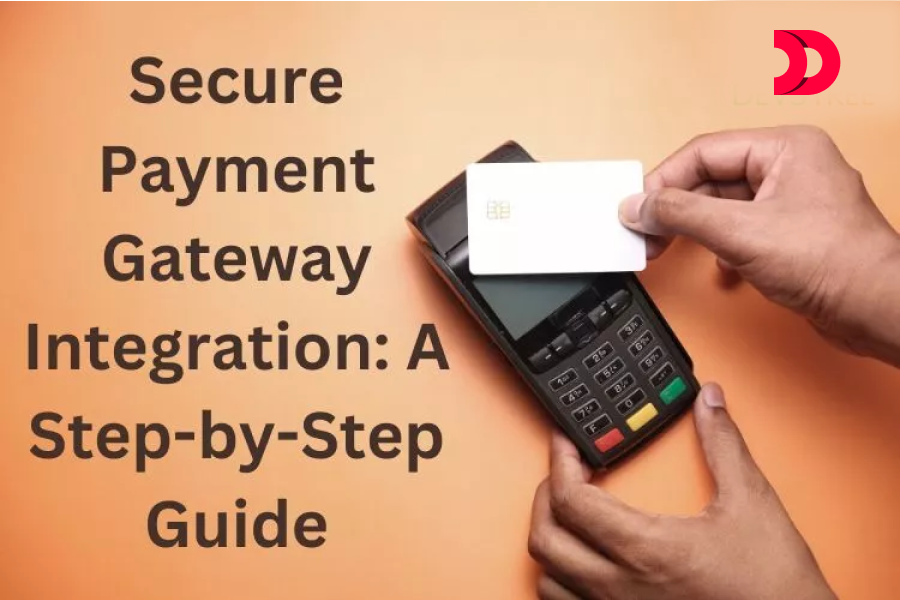
Secure Payment Gateway Integration: A Step-by-Step Guide

Introduction In today’s digital world, secure payment gateway integration is crucial for businesses that conduct online transactions. A payment gateway acts as a bridge between the customer, merchant, and financial institutions, ensuring the secure transfer of sensitive payment information. This step-by-step guide will walk you through the process of integrating a secure payment gateway into your website, helping you protect customer data and build trust in your online business.

Understanding Payment Gateways

Before diving into the integration process, it’s essential to understand what a payment gateway is and how it works. A payment gateway is a software application that authorizes and facilitates online payments, securely transmitting sensitive customer data between the merchant’s website and the financial institutions involved. It encrypts the information to ensure confidentiality and provides a seamless payment experience for customers. Some popular payment gateways include PayPal, Stripe, and Braintree.

Choosing the Right Payment Gateway

Selecting the right payment gateway is crucial for the success of your online business. Consider factors such as security features, transaction fees, integration complexity, and supported payment methods. Research and compare different payment gateway providers to find the one that aligns with your business requirements. Ensure the chosen gateway complies with industry standards such as Payment Card Industry Data Security Standard (PCI DSS) to guarantee data protection.

Obtaining Necessary Credentials

To integrate a payment gateway, you’ll need certain credentials provided by your chosen payment gateway provider. These credentials typically include an API key or merchant ID, which will be used to authenticate your website’s requests to the payment gateway’s servers. Register an account with your chosen payment gateway provider and follow their documentation to obtain the required credentials.

Integrating the Payment Gateway

The integration process varies depending on your website’s platform or content management system (CMS). Most payment gateway providers offer comprehensive documentation and developer tools to guide you through the integration process. Generally, the integration involves adding code snippets or plugins to your website’s checkout or payment pages. Ensure that the integration is secure by using encryption protocols (such as HTTPS) and following the provider’s recommended security practices.

Testing and Sandbox Environment

Before going live, it’s crucial to thoroughly test the payment gateway integration. Most payment gateway providers offer a sandbox or testing environment where you can simulate transactions without processing real payments. This allows you to validate the integration, test various scenarios, and ensure the seamless functioning of the payment flow.

Ensuring Security

Security should be a top priority when integrating a payment gateway. Implement security measures such as SSL/TLS encryption, tokenization, and adhering to PCI DSS compliance standards. Regularly update your website’s software, including plugins or extensions related to the payment gateway. Monitor and promptly address any vulnerabilities or security patches released by the payment gateway provider.

Conclusion

Integrating a secure payment gateway into your website is crucial for providing a safe and seamless payment experience to your customers. By understanding the payment gateway, selecting the right provider, following the integration process diligently, and ensuring robust security measures, you can protect sensitive customer data and build trust in your online business. Invest the necessary time and effort to implement a secure payment gateway, and reap the benefits of increased customer confidence and successful online transactions.

Are you thinking about whether Payment Gateway Integration could be the perfect option for you? Contact us for a discussion on Integrate Payment Gateway Services.

All You Need to Know About Cross-Platform App Development

Introduction

In today’s fast-paced digital world, businesses and developers are constantly seeking efficient ways to reach a broader audience. One of the most effective methods is through cross-platform app development. This approach allows developers to create applications that can run on multiple operating systems with a single codebase, saving time, resources, and effort. In this blog, we’ll dive into everything you need to know about cross-platform app development, its benefits, challenges, popular frameworks, and best practices.

What is Cross-Platform App Development?

Cross-platform app development refers to the process of creating software applications that are compatible with multiple mobile operating systems, such as iOS, Android, and Windows. Instead of writing separate code for each platform, developers use a single codebase to produce apps that work seamlessly across different devices.

Benefits of Cross-Platform App Development

Cost-Efficiency

One of the most significant advantages of cross-platform development is cost-efficiency. Developing a single codebase for multiple platforms reduces the need for separate teams and resources, thereby lowering overall development costs.

Faster Time to Market

With cross-platform development, developers can simultaneously launch applications on various platforms. This approach significantly reduces the time required to bring an app to market, giving businesses a competitive edge.

Consistent User Experience

Cross-platform apps provide a consistent user experience across different devices. Since the same codebase is used, maintaining uniformity in design and functionality becomes easier, ensuring that users have a similar experience regardless of the platform they are using.

Easier Maintenance and Updates

Maintaining and updating cross-platform apps is more straightforward compared to native apps. Updates can be synchronized across all platforms, ensuring that all users have access to the latest features and improvements simultaneously.

Popular Cross-Platform Frameworks

Several frameworks are available for cross-platform app development, each with its unique features and capabilities. Here are some of the most popular ones:

React Native

Developed by Facebook, React Native is one of the most widely used cross-platform frameworks. It allows developers to build mobile apps using JavaScript and React, offering a rich set of components and a vibrant community for support.

Flutter

Flutter, developed by Google, uses the Dart programming language and offers a robust framework for building natively compiled applications for mobile, web, and desktop from a single codebase. It provides a high level of performance and a rich set of customizable widgets.

Xamarin

Owned by Microsoft, Xamarin allows developers to use C# and .NET to create cross-platform apps. It offers a comprehensive set of tools and libraries, making it a popular choice for enterprise-level applications.

Ionic

Ionic is an open-source framework that uses web technologies like HTML, CSS, and JavaScript to build cross-platform mobile apps. It integrates well with Angular, React, and Vue, and offers a rich library of pre-built components.

Challenges of Cross-Platform App Development

Performance Issues

While cross-platform frameworks have made significant strides in performance, native apps still tend to have an edge. Achieving native-like performance can be challenging, especially for graphics-intensive applications.

Limited Access to Native APIs

Cross-platform frameworks might not always provide access to the latest native APIs. This limitation can restrict the use of certain features and functionalities available on specific platforms.

Platform-Specific UI/UX

Creating a truly platform-specific user experience can be challenging with cross-platform development. Despite efforts to maintain consistency, there may be subtle differences that affect the overall user experience.

Debugging Complexity

Debugging cross-platform apps can be more complex compared to native apps. Developers need to account for various platform-specific issues, which can increase the time and effort required for troubleshooting. 

Best Practices for Cross-Platform App Development

Choose the Right Framework

Selecting the appropriate framework is crucial for the success of your cross-platform app. Consider factors such as project requirements, team expertise, and the specific needs of your target audience before making a decision.

Optimize for Performance

Ensure that your app is optimized for performance across all platforms. Use platform-specific code where necessary to enhance performance and provide a smoother user experience.

Focus on UI/UX

Invest time in designing a user interface that adapts well to different platforms. Pay attention to platform-specific guidelines and ensure that your app provides a consistent and intuitive user experience.

Thorough Testing

Conduct thorough testing across all targeted platforms and devices. Cross-platform apps are more prone to compatibility issues, so extensive testing is essential to identify and resolve any potential problems.

Conclusion

In this blog, we’ve explored the transformative potential of cross-platform app development. From enhancing user experiences and providing real-time data to improving efficiency and enabling automation, the synergy between these technologies is undeniable. However, it is crucial to recognize that the specific needs and specifications of each project will significantly impact the development cost. Therefore, consulting a professional mobile application developer is essential. They can provide valuable insights, help you better understand the costs involved, and identify ways to optimize and reduce expenses. Embracing cross-platform app development can significantly enhance your ability to deliver engaging and effective mobile experiences to a diverse audience.

Cross Platform Mobile Development Tools

Cross-platform mobile app development refers to a technique of writing a single codebase for apps that will eventually be used on different operating systems. Google and Apple uplift code to be written in contradicting ways, making it very difficult for programmers to write a singular codebase that is efficient on both platforms. It also means that designers will have to duplicate code and keep tweaking it to work for both platforms.

Below are seven cross-platform tools that will take any developer a long way in creating flexible apps that stand the compatibility test.

MoSync

Whoop

Appcelerator

Widgetpad

RhoMobile

PhoneGap

Xmarin

Mo Sync

Mosync is a Cross-platform App. This platformfor app development includes libraries for common technologies used to shape the future of the web. MoSync supports c/c++, Python, Ruby, Javascript and Java. This platform allows native apps to be shipped to Symbian, Windows Mobile, Linux Mobile, Android, iOS, and iPad platforms effortlessly.

Whoop

Whoop is a cross-platform application and it’s controversial cross-platform app being suitable even for non- developers. However, Whoop is a really basic cross-platform app and misses out on important requirements for the latest features on hardware, even though it is very easy to use.  This cross-platform app works well with Windows Mobile, Symbian Blackberry, Android, iPhone, and other major mobile OS. It is free, with paid getaway packages available.

Appecelator

Appcelerator cross-platform appuses web technology which allows compatibility between platforms. This native platform app are derived from technologies such as HTML5, CSS3, JavaScript, PHP, Python, and Ruby, and rendered on mobile via browsers. This cross-platform is really efficient and gives users access to over 300 API’s.

Widgetpad

Widgetpad cross-platform app is also a web-based platform that can be used for developing mobile software. This cross-app promises a slimmer packaging of key features needed for the important elements of mobile apps. For those who are looking for lightweight solutions, this is the sure way to go.

RhoMobile

RhoMobile cross-platform app is an integrated framework based on Ruby and is used for making apps that work on multiple mobile platforms. This cross-app allows native apps to be created for Windows Mobile, Symbian, Android, iOS, and RIM. RhoMobile cross-app allows developers to code only centrally and comes with support for budding developers.

Phonegap

Phonegap cross-platform app is an award-winning development platform and is capable of handling apps for Android, Symbian, Palm, Blackberry, iPhone, and iPads. PhoneGap cross-app is very efficient and gives the developer easy access to advanced hardware components like the accelerometer and GPS tracker.

Xmarin

Xmarin is a cross-platform app is C#-based platform where code is written generally for iOS and Android. This cross-platform app is versatile and adaptive for a large team that works on different paths. Xmarin cross-app is rather advanced and allows users to call native API’s in the resulting application.

Conclusion

Cross-platform apps are in huge demand in the world today. For banks, silicon start-ups, convenience stores, government organizations, and the rest, mobile apps command solid access to the masses. As a result, this  has grown the demand for mobile development services in bounds

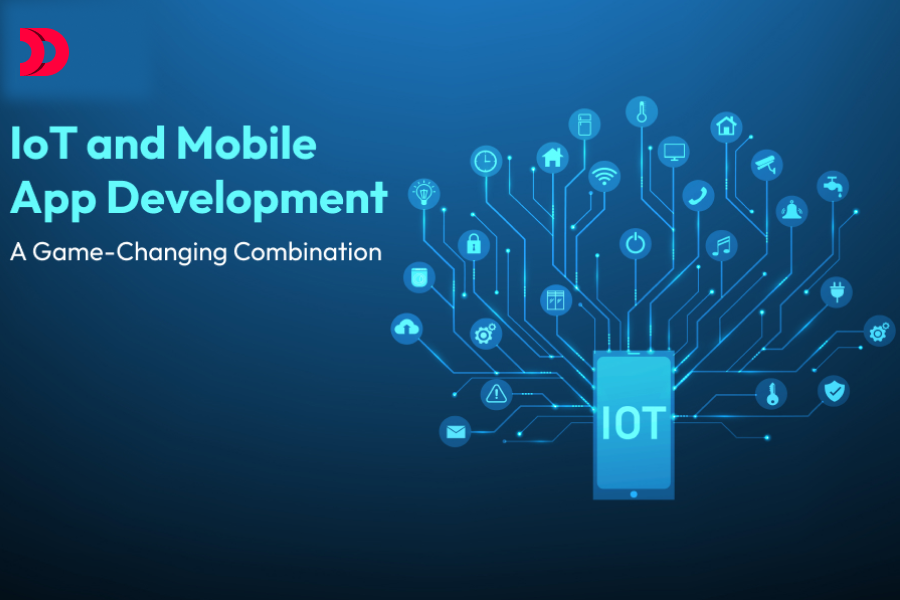
IoT and Mobile App Development: A Game-Changing Combination

Introduction

The rapid advancement of technology has led to numerous innovations, and among the most transformative are the Internet of Things (IoT) and mobile app development. Individually, these technologies have revolutionized various aspects of our lives. However, when combined, they offer an unprecedented opportunity to create powerful and intelligent applications that can reshape industries, improve efficiencies, and enhance our everyday experiences. In this blog, we’ll explore how the integration of IoT and mobile app development is a game-changing combination.

Understanding IoT and Mobile App Development

What is IoT?

The Internet of Things (IoT) refers to the network of physical objects embedded with sensors, software, and other technologies to connect and exchange data with other devices and systems over the internet. These “things” can range from everyday household items like refrigerators and thermostats to sophisticated industrial tools and machinery.

What is Mobile App Development?

Mobile app development involves creating software applications that run on mobile devices, such as smartphones and tablets. These apps are designed to provide users with various functionalities, from social networking and gaming to productivity and financial management.

The Synergy Between IoT and Mobile Apps

Enhanced User Experience

One of the most significant benefits of combining IoT with mobile app development is the enhanced user experience. Mobile apps serve as a user-friendly interface to interact with IoT devices. For example, a smart home app can allow users to control lighting, heating, and security systems from their smartphones, providing convenience and efficiency.

Real-Time Data and Analytics

IoT devices continuously collect data, which can be processed and analyzed in real time through mobile apps. This capability enables users to receive instant insights and notifications. For instance, wearable health devices can monitor vital signs and send alerts to users and healthcare providers if any abnormalities are detected.

Automation and Remote Control

With IoT-enabled mobile apps, automation and remote control become seamless. Users can automate routines and control devices from anywhere. Imagine being able to start your coffee maker from your bed or turning off all the lights in your house with a single tap on your phone.

Improved Efficiency and Productivity

In industrial settings, IoT and mobile apps can significantly enhance efficiency and productivity. By monitoring equipment and machinery through IoT sensors, workers can receive real-time updates and maintenance alerts on their mobile devices, preventing downtime and optimizing operations.

Real-World Applications

Smart Homes

Smart home technology is one of the most popular applications of IoT and mobile app integration. Homeowners can manage their home’s lighting, security systems, appliances, and more through intuitive mobile apps, creating a more comfortable and secure living environment.

Healthcare

In healthcare, IoT devices like smartwatches and fitness trackers can monitor patients’ health metrics. Mobile apps can then analyze this data and provide valuable insights, helping healthcare providers deliver better care and allowing patients to take proactive measures in managing their health.

Industrial IoT

In industries such as manufacturing, IoT sensors can monitor machinery performance and predict maintenance needs. Mobile apps provide workers with real-time data, enhancing decision-making processes and reducing operational costs.

Smart Cities

Smart city initiatives leverage IoT and mobile apps to improve urban living. From managing traffic flow and reducing energy consumption to enhancing public safety, the possibilities are vast. Citizens can use mobile apps to access information about public transport, report issues, and receive emergency alerts.

Challenges and Considerations

Security

With the increasing connectivity of IoT devices, security becomes a paramount concern. Developers must ensure that mobile apps and IoT systems are secure from cyber threats, protecting user data and privacy.

Interoperability

Ensuring that different IoT devices and platforms can communicate seamlessly is crucial. Standardization and compatibility are key challenges that need to be addressed to realize the full potential of IoT and mobile app integration.

Data Management

The vast amount of data generated by IoT devices requires effective management and storage solutions. Mobile app developers must design systems that can handle large volumes of data and provide meaningful analytics.

Future Prospects

The future of IoT and mobile app development looks promising. As technology continues to evolve, we can expect even more innovative applications and solutions. Advances in artificial intelligence, machine learning, and 5G connectivity will further enhance the capabilities of IoT devices and mobile apps, driving greater efficiencies and new possibilities.

Conclusion

In this blog, we’ve explored the transformative potential of combining IoT and mobile app development. From enhancing user experiences and providing real-time data to improving efficiency and enabling automation, the synergy between these technologies is undeniable. However, it is crucial to recognize that the specific needs and specifications of each project will significantly impact the development cost. Therefore, consulting a professional mobile application developer is essential. They can provide valuable insights, help you better understand the costs involved, and identify ways to optimize and reduce expenses. Embracing this combination of IoT and mobile app development will undoubtedly lead to a more connected and innovative world.

How Can Mobile Apps Boost Your eCommerce Sales?

The visibility of an e-commerce business is fundamental to its victory. In a crowded computerized market, individuals are required to be able to recognize, relate to, and believe your brand before they end up faithful clients. A top-notch mobile app is presently more important than ever for e-commerce, with tens of thousands of shopping apps being presented to Apple and Google’s app stores every year. It seems inappropriate to even question if creating a mobile app is essential.

Taking giants of e-commerce like Amazon or eBay as examples, we can observe how successful and extensive their mobile app launches have been. For astute business owners, interacting with clients via e-commerce mobile apps has become essential in recent times.

We will briefly discuss the main benefits of embracing mobile apps by iOS app developers or Android app developers for e-commerce in this post.

Top 5 Reasons To Have An App For Your E-Commerce Website:

By providing a simple and safe checkout process, the Mobile app development Team can lower cart abandonment rates and raise conversion rates. For your eCommerce business, a mobile app can offer several advantages, including:

Consumers Prefer to Shop Through Mobile Apps:

Because mobile traffic is increasing and mobile payment apps are being used widely, internet shopping is now easier than ever. Research indicates that at least 79% of smartphone users have made purchases with their devices; however, the precise number of mobile buyers is unknown.

Because mobile applications are more user-friendly, easier to pay for and provide a better overall experience, many customers prefer them. All consumers have to do to look for goods and services on their mobile device is tap an icon.

Neglecting a mobile app for your online store will cost you a significant portion of the market and the greatest experience you can provide for your clients.

Promotes Higher Revenue and Sales Growth:

A well-designed e-commerce app boosts income and sales by encouraging customer interaction and loyalty. Consumers simply tap their mobile devices to browse and shop whenever they want.

A few e-commerce applications use mobile devices’ cameras, GPS, and sensors to offer inventive and cutting-edge features.

Customers can browse items and take advantage of location-based advancements with expanded reality (AR), which moves forward the entire shopping experience and drives sales.

Increased Marketing Communication:

An e-commerce business app opens up a more engaging and coordinated line of communication between the company and its clients. Push notifications are an incredible way to remind and engage clients amid advancements, sales, the release of modern products, and other showcasing activities.

For more relevant and interesting communication, you may indeed personalize the push notifications for clients by taking into account their interface, behavior, and location.

Targeted messaging is an available feature that allows you to interact with consumers directly within the app while they are actively using it.

Through the app’s integration of social sharing tools, users may post their favorite purchases, product ratings, or reviews on social networks.

It Provides a Customized Buying Experience:

The mobile application can examine a user’s browsing history, past purchases, and behavior to provide customized product recommendations that highlight goods that suit the user’s tastes.

Customers are more likely to find value in the app as a consequence of this focused approach, which also increases customer happiness and gives them a sense of genuine understanding of the business.

User preferences, such as preferred payment methods, shipping addresses, and communication preferences, are preserved even within the mobile app. This guarantees a quicker and more seamless shopping experience for customers in addition to saving them time at the register.

Boosts the Conversion Rate:

Another compelling argument for having a mobile app for your e-commerce store is a greater conversion rate. You may easily collect real-time data about your users’ location, interests, and demographics using a mobile app. After that, you may use this information to tailor your experience for the highest level of personalization.

You’re losing out on a big opportunity if your conversion rate comes only from mobile websites. The presence of a mobile application is crucial for maximizing conversions. Despite the initial similarities between websites and mobile apps, the conversion rates reveal a distinct picture.

Bottom Line:

As we draw to a close, it is clear that mobile apps are now a need rather than an extravagance for companies hoping to succeed in the e-commerce space. They give the tools and capabilities required to raise brand acknowledgment, engage clients, and energize growth in a competitive market.

Mobile applications are an imperative part of the advanced e-commerce environment since they have the control to significantly increase income growth, buyer loyalty, and brand visibility.

Uncertain about how to raise brand awareness? Think about the top mobile app development company, Devstree IT Solution UK. Your brand’s success and visibility in the online marketplace can be significantly increased with our knowledge and experience. Hire mobile app developers now.

Mobile App Development Process [7 Steps Guide]

Mobile fever has completely engulfed today’s globe. It is becoming increasingly difficult to picture a life without smartphone apps. They are taking over the world, and this is no longer a distant future, but rather a genuine reality. With such hopeful projections, it’s simple to see why so many businesses are interested in the mobile app development industry. In any case, if your company is interested in establishing a mobile solution, understanding the mobile app development process is essential. Today, we’ll give mobile app-building guidance based on our expertise. Let’s get started.

The 7 Most Important Steps in the Mobile App Development Process

Individual differences exist in the process of Mobile App Development Platforms. However, the following seven steps are the most likely to be required:

Strategy Creation:

Each app begins with an idea. The customer outlines what duties the future service should fulfil and why a mobile application is being developed. This aids in understanding how users will interact with the programme to make it as convenient, understandable, and valuable as feasible.

The next step is to create a thorough Terms of Reference (TOR). It often includes a full explanation of user personas, user stories (User stories), a Customer Journey Map, mobile app features, business processes, and the primary scenarios to be implemented. It is feasible to precisely estimate the time and cost of app development after preparing the ToR.

The result is a list of application functionalities, interface requirements, performance and other non-functional needs, a description of how all of these requirements will be executed, and project cost estimates.

Planning and Analysis:

The second step in the application-building process is analysis and planning. You already have an idea, have done some research, and have a broad notion of where you’re going. Now is the moment to get hands-on and figure out all of the intricacies before diving into the design and development stages. You must be explicit about the actions you want your mobile app to accomplish.

You’ll need skilled iOS developers if you’re creating an iOS app. If you want to create a cross-platform programme, you’ll need someone familiar with technologies for multi-platform development.


Read more Article- What Will It Cost to Develop a Mobile App


User Interface/UX Design:

Interaction between application components is a component of UX design. At this point, you can examine how the app operates in various user scenarios. This is the registration order, the personal account view order, and the checkout and payment order.

UI design is concerned with the appearance of the application. The designer chooses the colour palette and works on the interface. If the organisation has a style and corporate colors, the design is created by them.

Application Development

The development team creates code to achieve the desired application behaviour and connects the application logic to the server component if one is available. The service code is developed in two stages: frontend and backend. The front end is responsible for the design and development of the application’s client interface and business logic. The backend is the establishment of the service’s server component, which is in charge of data transfer.

The server should ideally be designed in such a way that information exchange between it and the front is smooth. We now have a mobile application that is ready for testing at the end of this round.

Mobile App Testing:

When you’re finished with app creation, it’s time to start testing. After all, you want to ensure that the developed solution is stable, safe, and free of flaws. Before deployment, your app should go through five different types of testing to ensure the greatest quality delivery.

Functionality

This is the stage at which you test your application’s functionality and confirm that everything works properly.

Performance

You should pay attention to your app’s responsiveness and how it handles an increase in concurrent users during performance testing.

Security

Data protection is critical when developing enterprise solutions such as mobile insurance apps and healthcare apps that operate in highly regulated industries.

Deployment:

When you’re finally ready to publish your app, you’ll have to go through several distribution strategies depending on the platform for which you developed it.

The strategy for deploying mobile applications is straightforward. You’ll need to either submit your programme to Apple’s App Store, or Google Play Store or go with the private distribution.

Monitoring of Support and Performance

After the application is out, it must be regularly maintained. Ensure that the server can manage the demand and that any faults that develop are fixed. You can improve the application by examining user comments and making refinements, releasing updates, and expanding functionality depending on it. Keep note of crashes, bugs, customer requests, and general app performance as well. You’ll be able to improve your solution over time if you do this.

Bottom line:

Devstree IT Solution UK is a Game app Development Company and app development Company to satisfy the needs of your company. We are pioneered in Cross-Platform Native Mobile Applications and cross-platform development services. So, if you have any queries about the Average cost of game app Development or the Cost of App Development in UK, please get in touch with us. hire a Game app developer with us.