Chat on WhatsApp

Machine Learning – How It’s Changing the Business Landscape

Artificial intelligence (AI) in the form of machine learning (ML) enables software applications to forecast outcomes more accurately without having that capability explicitly programmed into them. Machine learning algorithms predict new output values using historical data as input. Machine learning is rapidly changing the business landscape. Here are some of the ways in which machine learning is impacting businesses today:

Personalized customer Experiences

Machine learning can be used to personalize customer experiences across all channels, from website to email to mobile app. For example, machine learning can be used to recommend products to customers based on their past purchases, or to send targeted marketing emails based on customer interests.

Fraud Detection

Machine learning can be used to detect fraudulent activity, such as credit card fraud or insurance fraud. Machine learning algorithms can learn to identify patterns of fraudulent activity that would be difficult for humans to detect.

Risk Assessment

Machine learning can be used to assess risks, such as the risk of a customer defaulting on a loan or the risk of a product launch failing. Machine learning algorithms can learn to identify factors that are associated with risk, such as a customer’s credit score or a product’s market potential.

Product Development

Machine learning can be used to develop new products and services. For example, machine learning can be used to analyze customer data to identify new product opportunities, or to test new product concepts with potential customers.

Operational efficiency

Machine learning can be used to improve operational efficiency. For example, machine learning can be used to optimize inventory levels, to schedule deliveries, or to route customer service calls.

These are just a few of the ways in which machine learning is impacting businesses today. As machine learning technology continues to develop, we can expect to see even more innovative ways in which businesses can use machine learning to improve their operations and deliver better customer experiences.

How Can Businesses Get Started with Machine Learning?

If you’re interested in getting started with machine learning, there are a few things you need to do. First, you need to gather data. The more data you have, the better your machine-learning models will be. Second, you need to choose the right machine-learning algorithm for your needs. There are many different machine learning algorithms available, so it’s important to choose one that is appropriate for your specific problem. Third, you need to train your machine learning model. This involves feeding your data into the algorithm and letting it learn from the data. Last but not least, you must use your machine learning model. This involves putting your model into production so that it can be used to make predictions.

Getting started with machine learning can be a daunting task, but it’s worth it. Machine learning has the potential to transform your business, so it’s important to start exploring the possibilities today.

Conclusion

Machine learning is a powerful technology that is changing the business landscape. Businesses that are able to adopt machine learning will be well-positioned for success in the years to come. If you’re not already using machine learning, now is the time to start exploring the possibilities.

Why Should You Hire Shopify Expert?

What is Shopify? Shopify is a comprehensive e-commerce platform that allows businesses to create and manage their online stores. It offers a complete solution for creating an online store, from website design to product inventory, order management and payment processing. Designed for ease of use, the platform offers a variety of features and tools to help businesses create professional-looking online stores. Founded in 2006, Shopify has become one of the leading e-commerce platforms, powering over 1 million businesses in over 175 countries. The platform is designed to be scalable and flexible for use by businesses of all sizes. Shopify offers a variety of pricing plans to suit different business needs and budgets, from a basic plan for small businesses to an enterprise-level plan for larger businesses.

Some of the features and tools offered by Shopify include:

Customizable website templates

Product inventory management

Payment processing and payment options

Order management and fulfillment

Marketing and SEO tools

Analysis and reporting

Overall, Shopify is a comprehensive e-commerce platform that provides businesses with the tools and features they need to create and manage an online store. 

Why We Should Hire a Shopify Expert?

Hiring a Shopify expert can be beneficial for several reasons, including:

Knowledge and Experience: A Shopify expert is a professional with knowledge and experience in creating, designing and customizing a Shopify store. Having worked on multiple projects, they have a good understanding of the platform, including its capabilities and limitations. This knowledge helps them provide guidance and solutions that improve the store’s functionality, user experience, and aesthetics.

Customization: Shopify experts can help you customize your store to your specific needs and preferences. They help you add features and functionality not available on the standard Shopify platform that can help your store stand out from the competition. This customization can range from simple changes to your store theme to complex custom app development.

Technical Support: Shopify experts are available to help with technical issues and provide ongoing support to keep your store up and running. They can also help you migrate your store from another platform to Shopify. This helps prevent downtime, lost sales, and other technical issues that can hurt your business.

Marketing and SEO: Shopify experts can help you optimize your store for search engines and provide marketing strategies to increase traffic and increase sales. They can help you set up and optimize your store’s product pages, ensure that search engines index your store correctly, and provide guidance on how to improve your store’s overall online presence.

Save time and Money: Hire Dedicated Shopify expert can save you time and money in the long run. They can help you avoid costly mistakes, simplify the process of setting up and customizing your store, and help you get up and running faster. Additionally, because Shopify experts are familiar with the platform and its features, they can help you save time by automating certain tasks, such as setting up email marketing campaigns or creating custom reports.

Final Words

Overall, Hire Shopify Expert is a smart investment for your business as it can help you optimize your store, increase sales, and save you time and money in the long run. the last word Finally, hiring a Shopify expert offers many benefits and can help you optimize your store, increase sales, and save you time and money. Overall, hiring a Shopify expert is a smart investment for your business as it can help you optimize your store, increase sales, and save you time and money in the long run.

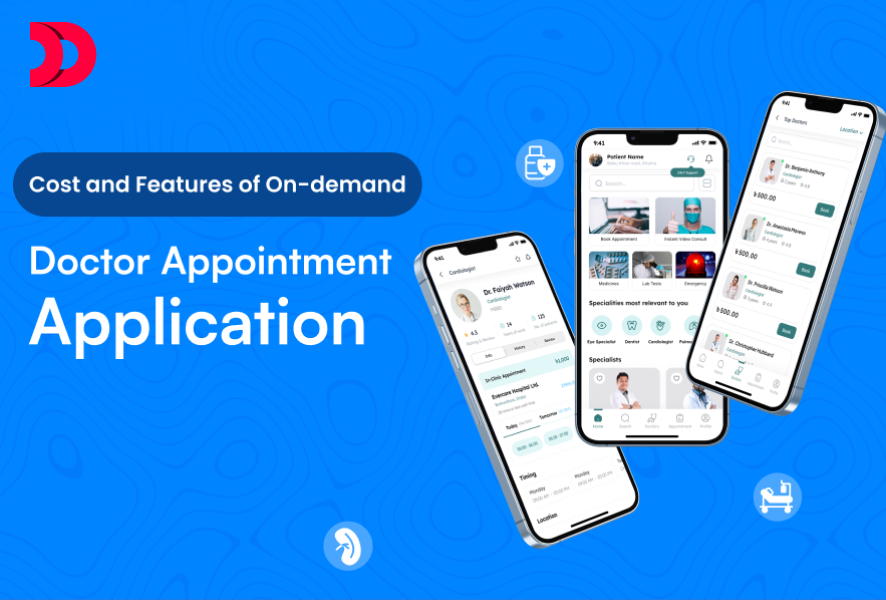
Cost and Features of On-demand Doctor Appointment App

In today’s fast-paced world, accessing healthcare services conveniently has become a priority for many. Doctor appointment apps have emerged as a solution, offering seamless connectivity between patients and healthcare providers. This blog post aims to delve deeper into the cost considerations and essential features of developing such apps, simplifying complex technical aspects for a broader audience.

Understanding the Cost of Doctor Appointment Apps

When embarking on the journey of developing a doctor appointment app, it’s crucial to understand the various cost factors involved:

App Development Company

The choice of the development company significantly impacts the project’s cost. Opting for a reputable company with experienced developers may incur higher expenses but ensures quality and reliability.

Feature Complexity

The range and complexity of features incorporated into the app directly influence development costs. Basic features like appointment scheduling and doctor-patient communication form the foundation, while advanced features such as telemedicine integration and electronic health record (EHR) management add to the expenses.

Design and User Experience (UX)

Investing in intuitive design elements and a seamless user experience enhances app usability but may increase development costs. A well-designed interface improves user engagement and satisfaction, contributing to the app’s success.

Platform Selection

Deciding whether to develop the app for iOS, Android, or both platforms affects development costs. Cross-platform development using frameworks like React Native or Flutter may offer cost savings compared to native app development.

Regulatory Compliance

Healthcare apps must comply with various regulations, such as HIPAA in the United States or GDPR in Europe. Ensuring regulatory compliance adds complexity to development efforts and may incur additional costs.

Key Features of Doctor Appointment Apps

Doctor appointment apps come equipped with essential features designed to streamline the healthcare experience for both patients and providers:

User Registration and Profile Management

Users can create accounts and manage personal information securely within the app, facilitating seamless interactions.

Appointment Scheduling

Patients can easily book appointments with preferred doctors based on availability, specialty, and location, eliminating the need for phone calls or physical visits.

Telemedicine Integration

Real-time video consultations enable remote diagnosis and treatment, offering convenience and accessibility to patients from anywhere.

Electronic Health Records (EHR) Management

Integration with EHR systems allows doctors to access patients’ medical history, prescriptions, and diagnostic reports, enhancing the quality of care.

Secure Communication

In-app messaging ensures secure communication between patients and healthcare providers for follow-ups, prescription requests, and general inquiries, fostering patient engagement.

Payment Gateway Integration

Seamless payment processing for appointment bookings and telemedicine consultations enhances user experience while ensuring secure transactions.

Appointment Reminders

Automated reminders for upcoming appointments help reduce no-shows and improve appointment adherence rates, benefiting both patients and providers.

Conclusion

Doctor appointment apps represent a significant advancement in healthcare technology, offering unprecedented convenience and accessibility to patients worldwide. While the cost of development may vary depending on factors such as feature complexity and platform selection, investing in essential features ensures the app’s effectiveness and success. By partnering with a reliable app development company like Devstree UK, healthcare organizations can harness the power of technology to deliver superior patient care and drive positive health outcomes.

How Much Does it Cost to Publish an App on Play Store?

In today’s digital world, mobile apps have become an essential part of our daily lives. From entertainment to productivity and from education to finance, apps provide us with all kinds of services. And for businesses and entrepreneurs, creating an app can be a great way to reach customers and build brand awareness. However, one question that often arises is: how much does it cost to publish an app on the Google Play Store? To answer this question, we’ll take a closer look at the costs associated with publishing an app on the Google Play Store and explore the factors that can influence the total cost.

Google Play Store Registration Fee

The first cost of publishing an app on the Google Play Store is the one-time registration fee. Google charges a flat fee of $25 to become a registered developer and publish apps on the platform. This fee is non-refundable and can be paid using a credit card or Google Play balance.

It’s worth noting that the registration fee applies to each developer account, rather than each app. This means that once you’ve paid the registration fee, you can publish as many apps as you like without incurring additional costs.

Read MoreMobile App Maintenance: How to Estimate and Reduce Costs

Development Costs

The cost of developing an app can vary widely depending on the complexity of the app, the features you want to include, and the platform(s) you’re targeting. In general, developing an app for the Google Play Store tends to be more affordable than developing an app for iOS, as Android apps can be built using a wider range of programming languages and tools.

If you’re building an app from scratch, you may need to hire a developer or team of developers to help bring your vision to life. The cost of hiring a developer can vary depending on their experience level, location, and hourly rate. According to Clutch, the average cost of a mobile app developer in the US ranges from $75-$250 per hour.

If you have experience with app development or are willing to learn, you may be able to save money by building the app yourself. There are many online resources and tutorials available to help beginners get started with app development and a range of app-building platforms that require little to no coding knowledge.

Read MoreMobile App Maintenance: How to Estimate and Reduce Costs

Design Costs

In addition to development costs, you may also need to budget for design costs, such as creating graphics, icons, and other visual elements for your app. Hiring a professional designer can be costly, with rates ranging from $50-$200 per hour, depending on their experience level and location.

If you have design skills or are willing to learn, you can save money by creating the app’s design elements yourself using design software such as Sketch or Adobe Illustrator. Alternatively, you can use pre-made templates or design assets from online marketplaces such as Creative Market or Envato Elements.

Marketing Costs

Once your app is built and ready to publish, you’ll need to promote it to potential users to generate downloads and revenue. Marketing costs can vary widely depending on the channels you use and the level of competition in your app’s niche.

Some common marketing channels for app promotion include social media advertising, influencer marketing, and paid search advertising. The cost of each channel can vary depending on factors such as your target audience, the size of your ad campaign, and the ad format you choose.

In addition to paid advertising, you can also promote your app using organic channels such as search engine optimization (SEO), app store optimization (ASO), and content marketing. These strategies can help you drive traffic to your app without spending money on advertising, although they require time and effort to implement effectively.

Commission Fees

It’s important to keep this commission fee in mind when setting the price of your app or in-app purchases, as it can significantly impact your revenue. For example, if you sell an app for $1.99 on the Google Play Store, you’ll earn $1.39 for each sale, with Google taking the remaining 60 cents.

In summary, the cost of publishing an app on the Google Play Store can vary widely depending on factors such as development and design costs, marketing expenses, and commission fees. While there are some fixed costs, such as the $25 registration fee, the total cost can range from a few hundred dollars to tens of thousands of dollars or more.

To keep costs under control, it’s important to carefully consider your app’s goals and budget before embarking on the development process. Working with experienced developers and designers, setting a clear marketing strategy, and optimizing your app’s pricing and revenue model can all help to minimize costs and maximize profits.

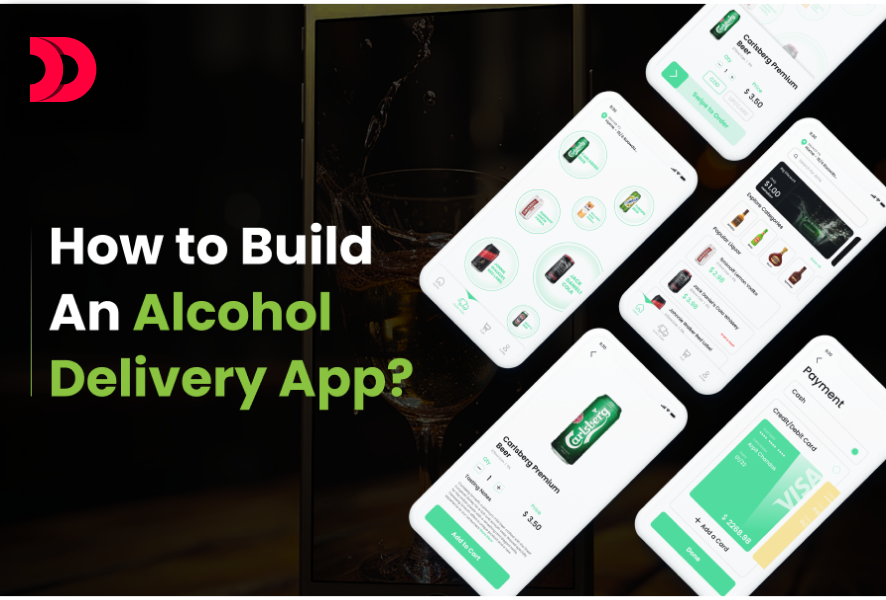
How to Build An Alcohol Delivery App?

With the changing times of today, people’s online shopping habits are quickly evolving. Consumers presently decide to shop online for nearly anything from basics like food to luxury things like jewelry, vehicles, and different things. On-demand applications have extended quickly among recent millennials specifically.

While the practice of placing orders for commodities via cellphones and other kinds of technology is increasing in popularity, research indicates that customers are prepared to sacrifice occasional trips to the liquor shop in favor of purchasing drinks online. The COVID-19 epidemic, as well as social regulatory settings, have contributed to a gradual increase in online liquor app sales.

Taking the next step and an on-demand alcohol delivery app development will be an excellent method for people to order their favorite drinks via the internet. If you have an online liquor delivery license, you can get started with Liquor Delivery App development!

Today, through this blog, we’ll go over a few central points that business people ought to know about before sending off an on-demand alcohol delivery app. Explore if you’re considering making one for yourself! Thus, we should begin!

Steps to follow for Building an On-Demand Alcohol Delivery App:

Here are the moves to build an alcohol delivery application:

Understanding the On-Demand Alcohol Delivery Market.

Before starting the development cycle, it is basic to comprehend the quirks of the on-demand alcohol delivery market. Look at the ongoing players, including their objective market, valuing process, and certain selling features. Examine the current players, including their target market, pricing strategy, and distinctive selling qualities. This will assist you in identifying potential opportunities and areas for development.

Research and Identifying Your Target Audience

Choose an audience for your on-demand booze delivery app. Consider preferences, age, and geographic area. Conduct market research, analyze your consumers’ behavior, and identify areas of pain for them to tailor your app’s features and services to their needs.

Define Key Features and Functionality

Determine the major features and services of your booze delivery on-demand application according to your target audience’s preferences. They could feature user registration and product catalogs, extensive search capabilities, personalized suggestions, a simple purchase process with secure payment choices, order tracking in real-time, and customer support.

Choosing the Right Tech Stack

Consider scalability, security, performance, and the possibility of future advancements. Programming languages like JavaScript, frameworks like React Native, and databases like MongoDB are the most frequent technologies used to construct applications for on-demand delivery.

Designing an Intuitive User Interface

Make sure your application’s interface is simple and easy to use. Take note of the visual appeal, navigation flow, and ease of use. Ensure that customers can easily browse the products, add them to their basket, and complete the checkout procedure.

Building a robust backend system

Create a comprehensive backend system capable of handling the complexities of inventory management, order user data, orders, and delivery logistics. Create a scalable database structure and APIs to connect your app’s backend and frontend components.

Implementing Secure Payment Gateways.

Install secure and dependable payment gateways to facilitate transactions on your website. Partner with reputable merchants to ensure the security of your users’ financial information and build customer trust.

Integrating third-party APIs for inventory management.

Collaborate with liquor stores and suppliers by connecting third-party APIs to monitor inventories in real-time. This ensures that your app’s product catalog is always up to date and that users have accurate information about the products available.

Ensure compliance with local alcohol regulations.

Compliance with local alcohol legislation is essential for operating lawfully and avoiding legal issues. Learn about alcohol laws and licensing requirements in your chosen region, and make sure your application follows all rules.

Testing and Quality Assurance

Test your on-demand alcohol delivery app on a few working platforms to guarantee a decent client experience. Conduct usability, functional, and performance testing, and address any problems or defects that may arise.

Launching and Marketing your App

Make a thoroughly reviewed launch for your liquor delivery on-demand application. Use social media, influencer marketing, and designated promotions to bring issues to light and direct people to your site. Give motivating forces to promotional gifts to draw in clients to cooperate with you all along.

Bottom Line:

Many industries, including the liquor industry, have seen their entire trading environments change as a result of modernization; despite the numerous benefits that the online liquor business provides, liquor and wine retailers are transitioning from offline to online trading to meet the demands of the developing market. If your online liquor delivery software has a distinct selling point, it stands a better chance of success.

If you want to learn more about online alcohol delivery app development or want to create your own, please contact Devstree- An Alcohol Delivery App company; Devstree’s professionals would love to hear your ideas! Hire Alcohol Delivery App Developers in UK from us.

Immersive Metaverse Experiences: The Future of eCommerce

The metaverse is a virtual world that is being created using cutting-edge technologies like virtual reality (VR) and augmented reality (AR). It is still in its early stages of development, but it has the potential to revolutionize the way we shop. Immersive metaverse experiences offer a number of advantages over traditional eCommerce platforms. For one, they allow users to interact with products in a more realistic and engaging way. For example, a user could try on a virtual dress or see how a piece of furniture would look in their living room. This can help users make more informed purchase decisions. In addition, immersive metaverse experiences can create a sense of community and belonging. Users can interact with each other in real time and share their experiences with products and brands. This can help to build brand loyalty and drive sales.

Here are some of the ways that eCommerce brands can tap into the Metaverse:

Create virtual stores

Brands can create virtual stores where users can browse and purchase products. These stores can be designed to look and feel like real-world stores, or they can be more creative and experimental.

Offer virtual reality or Augmented Reality Experiences:

 Brands can offer virtual reality or augmented reality experiences that allow users to interact with products in a more realistic way. For example, a user could try on a virtual dress or see how a piece of furniture would look in their living room.

Host events and meetups in the Metaverse: 

Brands can host events and meetups in the metaverse where users can connect with each other and with brands. These events can be used to launch new products, announce partnerships, or simply provide a space for users to interact with each other.

Use the Metaverse to provide Customer Support and Service: 

Brands can use the metaverse to provide customer support and service. For example, users could use the metaverse to chat with customer service representatives, get help with troubleshooting, or return products.

The metaverse is still in its early stages of development, but it has the potential to be a major disruptor in the eCommerce industry. Brands that are early to adopt this technology will be well-positioned to succeed in the future.

Challenges and Considerations
While the potential of immersive metaverse experiences in eCommerce is immense, there are challenges to overcome. 

Technological limitations

The metaverse is still in its early stages of development, and the technology is not yet fully mature. This can lead to issues such as latency, lag, and limited graphics.

Data privacy and Security: 

The metaverse is a virtual world where users can interact with each other and with brands. This raises concerns about data privacy and security. Brands need to ensure that they are collecting and using user data in a responsible way.

Interoperability: 

There are a number of different metaverse platforms in development. This can make it difficult for brands to create experiences that are compatible with all platforms.

Conclusion

The metaverse represents a paradigm shift in the way we experience and engage with digital content, and its impact on eCommerce is undeniable. Immersive metaverse experiences offer unprecedented opportunities to enhance the online shopping journey, creating immersive, interactive, and personalized environments for customers. As the metaverse continues to evolve, businesses must embrace its potential and explore innovative ways to leverage this emerging technology. By embracing immersive metaverse experiences, eCommerce can transcend the limitations of traditional online shopping, bringing us closer to a truly interconnected and immersive digital future.

We are experts in helping eCommerce businesses leverage the metaverse to reach new customers, increase sales, and build brand loyalty. We can help you:

Create virtual stores and experiences that are immersive and engaging

  • Offer virtual reality and augmented reality experiences that allow customers to interact with products in a more realistic way
  • Host events and meetups in the metaverse where you can connect with customers and partners
  • Use the metaverse to provide customer support and service

Contact us today to learn more about how we can help you thrive in the metaverse.

Django Vs. React: Which is Best for Web Development?

In the ever-evolving world of web development, choosing the right technology stack is crucial for building robust and scalable applications. Two popular frameworks, Django and React, often find themselves in the spotlight. In this blog, we will delve into the characteristics, advantages, and disadvantages of both Django and React to help you make an informed decision for your web development projects.

What is Django?

Django is a high-level Python web framework that follows the model-view-controller (MVC) architectural pattern. It is designed to promote rapid development and clean, pragmatic design. Django comes with a built-in admin panel, an ORM system, and a plethora of useful libraries, making it an excellent choice for developers looking for a full-stack framework.

Advantages of Using Django:

Rapid Development: Django’s “batteries-included” philosophy provides a set of tools and libraries that streamline the development process, allowing developers to focus on building features rather than boilerplate code.

Built-in Admin Panel: Django’s admin interface is a powerful tool that simplifies the management of application data, making it easier for developers and non-developers alike to interact with the database.

ORM System: Django’s Object-Relational Mapping (ORM) system abstracts database interactions, allowing developers to work with databases using Python code rather than SQL queries.

Disadvantages of Using Django:

Monolithic Structure: The all-inclusive nature of Django may lead to larger projects becoming monolithic and less modular, making it challenging to scale and maintain.

Learning Curve: For beginners, the learning curve of Django can be steep, especially for those unfamiliar with Python or web development concepts.

What is ReactJS?

ReactJS is a JavaScript library developed and maintained by Facebook. It is specifically designed for building user interfaces and follows a component-based architecture. React allows developers to create reusable UI components, making it a popular choice for building interactive and dynamic single-page applications (SPAs).

Advantages of Using ReactJS:

Component-Based Architecture: React’s component-based structure promotes reusability and modularity, allowing developers to create complex UIs by combining smaller, self-contained components.

Virtual DOM: React utilizes a virtual DOM, resulting in faster rendering and improved performance by minimizing direct manipulation of the actual DOM.

Large Ecosystem: React has a vast and active community, leading to a rich ecosystem of libraries, tools, and third-party integrations that can be leveraged to enhance development.

Disadvantages of Using ReactJS:

JSX Complexity: The use of JSX (JavaScript XML) may initially seem complex for developers accustomed to traditional HTML, requiring a learning curve to grasp this syntax.

Configuration Over Convention: React is often criticized for lacking a clear structure and relying on developers to make more configuration decisions, which can lead to inconsistency across projects.

Which is Better for Web Development?

The choice between Django and React depends on the nature of your project and your specific requirements. If you are looking for a full-stack framework with a focus on backend development and an opinionated structure, Django may be the better choice. On the other hand, if you prioritize building dynamic and interactive user interfaces with a component-based approach, React could be the ideal solution.

Conclusion:

Both Django and React have their strengths and weaknesses, and the decision ultimately hinges on your project’s goals and your team’s expertise. Django excels in backend development, providing a comprehensive and structured framework, while React shines in frontend development, enabling the creation of modular and dynamic user interfaces. As you embark on your web development journey, carefully consider your project’s requirements to make an informed choice between Django and React.

In the end, both Django and React JS are good, but it depends on what you need. If you want something easy to learn and use, go for Django. But if you want more flexibility and options, choose React JS. If you need help with either of them, hire developers who are experts in these frameworks for your project to be successful.

If you have a project idea and are unsure about the most suitable technology or framework, don’t hesitate to discuss it with experts or reach out to us for a comprehensive solution.

Reasons Why You Should Use React js for Web Development?

React is a popular JavaScript library for building user interfaces, and it has gained a lot of popularity in recent years. Here are some reasons why you should use React for web development:

Declarative Programming

React uses a declarative programming paradigm, which makes it easier to understand and reason about the code. This allows developers to focus on the what, rather than the how, of their code.

Component-based Architecture

React is based on a component-based architecture, which allows developers to break down their code into reusable components. This can make the development process faster and more efficient.

Virtual DOM

React uses a virtual DOM, which is an in-memory representation of the actual DOM. This allows React to update the UI efficiently, as it only updates the parts of the DOM that have changed.

Performance

React’s use of a virtual DOM and its efficient rendering process can lead to better performance and faster load times.

Large and Active Community

React has a large and active community, which means that there is a lot of support and resources available for developers who are using the library.

Easy to Learn

React is relatively easy to learn, especially for developers who are familiar with JavaScript. This means that developers can quickly start building applications with React.

Compatibility with other libraries and frameworks

React is compatible with a wide range of other libraries and frameworks, which means that developers can use it in conjunction with other tools to build more complex applications.

Overall, React is a powerful tool for web development that offers many benefits for developers. Its declarative programming paradigm, component-based architecture, virtual DOM, performance, large community, ease of learning, and compatibility with other tools make it a great choice for building modern web applications.

Why choose Devstree IT Services for React JS Web Development?

Choosing the right development partner is critical for the success of any project, and Devstree IT Services is a reputable and experienced development company that offers several benefits for React.js web development Services:

Expertise: Devstree IT Services has a team of experienced React.js developers who are skilled in building complex web applications. They have worked on many projects and have a deep understanding of the React.js library and its best practices.

Agile development: We follows an agile development process, which means that they prioritize customer satisfaction, respond quickly to changes, and deliver high-quality work in a timely manner.

Custom solutions: Devstree works closely with clients to understand their unique business needs and requirements. They offer customized solutions that are tailored to the specific needs of each client.

Cost-effective: We offer competitive pricing for their services, which makes them a cost-effective choice for businesses of all sizes.

Communication: We believes in open and transparent communication with their clients. They keep clients informed throughout the development process and are always available to answer questions and provide updates.

Quality assurance: Devstree is has a rigorous quality assurance process that ensures that all work is thoroughly tested and meets the highest standards of quality and reliability.

Overall, Devstree IT Services is a reliable and experienced Best React JS development company in UK that offers many benefits for React.js web development. Their expertise, agile development process, customized solutions, cost-effectiveness, communication, and quality assurance make them a great choice for businesses that want to build high-quality web applications with React.js.

WooCommerce Vs. Shopify: Which is Best for Your eCommerce Store

Introduction The choice of the best e-commerce platform is an essential decision to make when setting up the online shop. Two major contenders in this domain of e-commerce include WooCommerce along with Shopify.

Both platforms have distinct characteristics and advantages knowing the different features is crucial to make an informed decision about your online business. In this blog we’ll conduct an extensive comparison between WooCommerce as well as Shopify in order to assist you decide the best platform for your business’s needs.

WooCommerce Empowers E-Commerce through WordPress

WooCommerce is an open-source e-commerce plugin specifically designed for WordPress. Here’s what sets it Apart:

Flexibility: If experienced of WordPress, WooCommerce seamlessly integrates with it, giving you complete control over the online store’s appearance and function.

Customization: You can have the option of customizing the appearance of your store and its features by using the wide variety of themes and plugins that are available in the WordPress ecosystem.

No Monthly Fees: WooCommerce is a no-cost plugin, however you’ll be charged in hosting and domain registration and premium extensions if decide to use these extensions.

Ownership: The Ownership WooCommerce you have complete control and ownership over your e-commerce website and crucial information.

Scalability: As your business expands, WooCommerce allows for unlimited products, categories, and product variations.

Shopify: All-In-One E-Commerce Solution

Shopify offers an entire online shopping platform with its own CMS for content management (CMS). Here are the top characteristics of Shopify:

User-Friendly: Popular for its simplicity of use, Shopify is an excellent choice for people who are just beginning to discover this world of shopping online.

Managed Hosting: Managed Hosting with managed hosting you will need worry about hosting, security or technical issues as Shopify handles all of these aspects for you.

App Store: Shopify App Store provides a variety of add-ons and applications which can improve the capabilities of your store.

Monthly fees: Shopify requires a monthly subscription fee. There are a variety of plans to fit various budgets.

Scaling Made Simple: Shopify offers a seamless transition from small to large e-commerce operations, ensuring scalability.

Choosing the Right Platform for Your Business

The final decision on WooCommerce and Shopify depends on your personal needs and preferences. Consider the following aspects:

Technical Expertise: It’s an excellent choice if you’re confident with WordPress and appreciate the possibility to modify your site. Shopify is best suited for users who are just beginning to learn about the platform and need an all-in-one solution that is easy to use.

Budget: While WooCommerce can be cost-effective, you should consider expenses related to hosting and premium plugins. Shopify’s pricing is more transparent, encompassing hosting and other services.

Scalability: Both platforms can accommodate a growing business, but WooCommerce offers greater flexibility when it comes to scalability.

Design and Customization: WooCommerce opens up endless design possibilities, whereas Shopify offers user-friendly customization options through themes and apps.

Ownership and Control: Ownership and Control WooCommerce you are in complete control over your website while Shopify handles hosting and other features of your shop.

Conclusion

When it comes to WooCommerce against. Shopify showdown, there’s no universally applicable solution. The decision is largely based on your goals for business as well as your technical expertise and your budget. Thoroughly assess your specific requirements to determine which platform aligns best with your e-commerce store’s unique needs.

Remember that both WooCommerce and Shopify possess their own strengths and can be excellent choices when utilized in the right context. The key is to select the platform that complements your business strategy and aids in achieving your online sales objectives. If you’re considering the cost of Shopify website development or seeking an eCommerce website development company, make sure to evaluate how these factors align with your chosen platform.

How Much Cost to Build WordPress Website?

If you’re looking to have a WordPress website developed, you’re likely to be thinking about the WordPress web development costs in 2023. Even though the cost of building the WordPress website is around 200 USD, it is still a reasonable amount. i.e. INR15000. However, depending on your requirements for the website, the price to construct a WordPress website may range from $100-$600 up to $2500, and even $25,000. The WordPress cost of developing a website is based on many factors. The kind of site, its goal of the site, and the features it offers are just a few of the elements that affect the WordPress cost of a website. In addition, There are plug-ins, theme templates, and many more to consider to pay for the perfect WordPress website.

What is WordPress?

WordPress is a CMS for managing content (CMS) that was developed in the year 2003 in 2003 by Matt Mullenweg. It allows users to create blogs or websites starting from scratch, or modify an existing website. WordPress can be downloaded in both the form of a premium and free version. The free version is limited to the number of blogs that can be made and the amount post that may be published each day, whereas the premium version comes with additional features and allows the creation of more blog posts and blogs created each day.

Read More Article – What Will It Cost to Develop a Mobile App in 2023?

How Much Do WordPress Websites Cost?

We’ve included a few details to help you get a comprehension of the amount you’ll need to shell out for getting a WordPress website built:

Factors Determining WordPress Website Development Cost

Plug-Ins

To make certain features available on the features of your WordPress website, you’ll have to install plug-ins. Plug-ins are similar to extensions or apps that you can use to enhance your WordPress website. There are over 4000 plugins, however, you must install only those you need to your website.

If you’re building a basic model of the WordPress website, and you just want to display your services or products, then you might want to consider incorporating plug-ins available offered for no cost.

If you’re on an affluent budget and require more features, you could consider the more expensive version of the plug-in. The more plug-ins that you install, the greater will be the expenses. Therefore, it will increase WordPress Development Costs.

Themes

Themes are an essential component of the WordPress website. If you’re a professional with a good understanding of languages such as HTML and CSS and CSS, you are able to create your own WordPress Theme on your own. However, you could consider choosing Free WordPress Themes or Paid WordPress Themes.

WordPress themes for free consist of fewer functions and are consequently faster to load. If you’re on a budget or you’re planning to build a WordPress website to build an online presence, you could consider the top WordPress free themes such as Astra, Knight, etc.

However, if you require more features and wish to secure your website You can think about purchasing premium versions of the WordPress Themes that are free. There’s a wide range of prices for paid versions of WordPress themes. There are themes that range from $100 to $200. The cost of purchasing a premium theme will raise the price of your WordPress website.

Hosting

Hosting is a crucial element for every website. It lets other webmasters access your website via the internet. It’s a space that is purchased through the website server to save your website’s files. There are a variety of hosting companies offering different costs for hosting your website accessible on the market. However, the three most sought-after hosting providers are GoDaddy, Bluehost, A2 Hosting, and SiteGround.

If you’re tight on money, then you can choose an affordable hosting plan that is not more than $8 per month. If you’re looking to invest more money on your WordPress website, and you’re looking for more features on the website, you’ll need a hosting plan that costs between $15 and $20.

Domain

The domain name is your website with a unique identity on the internet. If your hosting company provides a domain for free in conjunction with the hosting plan, you are able to select the domain. On the other hand, you may opt to buy a paid domain. It’s an average cost of about $10-15 per year to purchase and keep a domain.

SSL Certificate

If you want to increase the security of your WordPress site, then you can purchase SSL certificate for your site to improve the security of your website. However, adding a premium SSL certificate will cost you some money and raise the cost of your WordPress website.

Conclusion

These are just a few of the elements that determine the cost of a WordPress website. So long as you do not intend to purchase themes and plug-ins, they won’t cost you anything.

If you’re looking to include certain features on your site or enhance its appearance, then you’ll have to buy premium WordPress themes and Plugins. The costs for these themes, as well as plug-ins, isn’t obligatory, it could be considered as optional but with a high likelihood of cost.

It’s also impossible to run a site without hosting and domains, the costs incurred can be considered necessary costs.

If you’ve been planning to get WordPress website built and you’re thinking about what WordPress templates and plugins could aid in improving the website’s functionality and look If you’re interested, get in touch with us. We’ll give you the best assistance possible! Devstree IT Solution UK is a reliable WordPress Development Agency. We offer top high-quality website design and development services for all kinds of companies at extremely competitive costs. Visit our website development pricing packages now!