Chat on WhatsApp

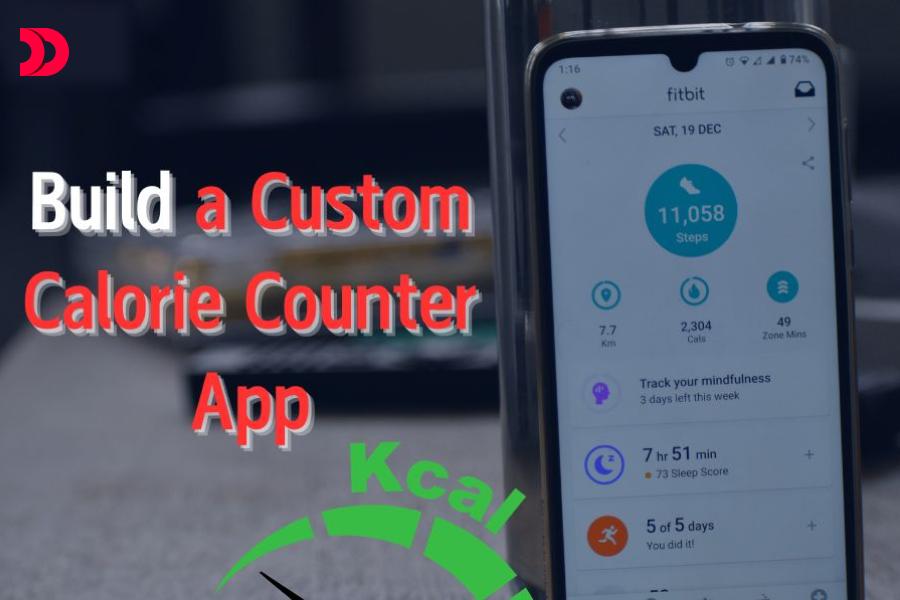
How to Build a Custom Calorie Counter App from Scratch

Today, more and more people are using technology to stay healthy and achieve their fitness goals. Calorie counter apps are very popular because they make it easy for users to track how many calories they eat and burn each day. If you want to create your own calorie counter app, this guide will explain the key steps, features, and tips to help you make it happen.

Define Your App’s Purpose and Audience

The first step in building a calorie counter app is to clearly define its purpose and target audience.

Purpose: Will the app focus solely on calorie tracking, or will it also include features like meal planning, workout tracking, or integration with wearable devices?

Audience: Identify who your app is for. Is it aimed at fitness enthusiasts, individuals trying to lose weight, or people with specific dietary needs?

Understanding your audience will help you tailor the app’s design, features, and overall functionality.

Research and Competitor Analysis

Before starting development, research existing calorie counter apps like MyFitnessPal, Lose It!, or Cronometer. Analyze their strengths and weaknesses to identify gaps in the market and features that could set your app apart.

Key aspects to consider:

User interface and user experience (UI/UX)

Core features offered

Monetization strategies

User reviews and pain points

Plan Core Features

A successful calorie counter app should include the following features:

User Registration and Profile Creation: Allow users to set up accounts, input personal details (age, weight, height, activity level), and define their fitness goals.

Calorie Database: Provide an extensive database of foods with calorie and nutritional information. Include search functionality for ease of use.

Barcode Scanner: Enable users to scan food packaging to quickly retrieve nutritional information.

Meal Logging: Allow users to log their meals, snacks, and beverages.

Activity Tracking: Include features for tracking physical activities and estimating calories burned.

Progress Tracking: Offer visual representations like graphs and charts to help users monitor their progress.

Custom Notifications: Provide reminders for meal logging, water intake, or reaching fitness goals.

Integration: Allow integration with wearable devices and fitness apps.

Optional Advanced Features:

Recipe suggestions based on calorie goals

AI-powered meal planning

Community features like forums or social sharing

Choose the Right Tech Stack

The technology stack you choose will depend on your budget, app requirements, and the platform(s) you want to target. Here’s a basic guide:

Front-End: React Native, Flutter, or Swift (iOS) and Kotlin (Android)

Back-End: Node.js, Django, or Ruby on Rails

Database: Firebase, MongoDB, or PostgreSQL

APIs: Nutritionix, Edamam, or USDA Food Data APIs for nutritional data

Design an Intuitive User Interface (UI)

The UI of your app plays a crucial role in user retention. Ensure the design is:

Simple and Clean: Avoid clutter and ensure ease of navigation.

Engaging: Use vibrant colors, progress bars, and gamification elements to keep users motivated.

Responsive: Ensure the app works seamlessly across devices of different screen sizes.

Develop and Test Your App

Once you have a clear plan and design, start the development process. Break it down into the following steps:

MVP Development: Begin with a Minimum Viable Product (MVP) that includes core features.

Testing: Test the app thoroughly for bugs, performance issues, and security vulnerabilities.

Feedback Loop: Share the app with a beta group to gather feedback and make necessary improvements.

Monetization Strategies

Decide how your app will generate revenue. Popular monetization methods for calorie counter apps include:

Freemium Model: Offer a free version with basic features and charge for premium features.

Subscription Plans: Monthly or yearly subscriptions for advanced features.

In-App Purchases: Sell meal plans, recipes, or fitness guides.

Ads: Integrate non-intrusive ads to generate revenue.

Launch and Market Your App

After development and testing, it’s time to launch your app. Focus on marketing strategies to ensure a successful launch:

App Store Optimization (ASO): Optimize your app’s title, description, and keywords.

Social Media Marketing: Promote your app on platforms like Instagram, Facebook, and TikTok.

Influencer Collaborations: Partner with fitness influencers to reach your target audience.

Content Marketing: Share blogs, videos, and infographics related to fitness and nutrition.

Collect Feedback and Iterate

Post-launch, monitor user feedback and analytics to identify areas for improvement. Regular updates with new features and bug fixes will keep users engaged and ensure long-term success.

Conclusion

Building a custom calorie counter app from scratch is a rewarding venture that combines technology with health and fitness. At Devstree IT Solution, we specialize in creating innovative and user-friendly applications tailored to your needs. With our expertise in app development and a commitment to delivering exceptional user experiences, we can help you bring your vision to life. Let us partner with you to build a cutting-edge calorie counter app that stands out in the competitive health tech market. Together, we can create a tool that empowers users to lead healthier lives.


E-commerce Website Development Cost in UK : A Comprehensive Guide

As we step into 2024, the e-commerce landscape continues to evolve at a rapid pace. Businesses are increasingly recognizing the importance of having a robust online presence. One of the key considerations for any business planning to venture into online retail is the cost of developing an e-commerce website. This blog aims to provide a detailed overview of the factors influencing e-commerce website development costs in the UK in 2024.

Introduction to E-commerce in 2024

E-commerce has become a cornerstone of the global economy, with the UK being one of the leading markets. The convenience, variety, and competitive pricing offered by online shopping make it an attractive option for consumers. As a result, businesses of all sizes are looking to tap into this lucrative market. However, understanding the costs associated with developing an e-commerce website is crucial for effective budget planning.

Key Factors Influencing Development Costs

Several factors impact the cost of developing an e-commerce website. Here are the primary considerations:

Website Complexity and Features

The complexity of your website and the features you wish to include are major cost determinants. Basic e-commerce websites with standard features such as product listings, shopping carts, and payment gateways are less expensive. In contrast, advanced features like custom product configurators, AI-driven recommendations, multi-language support, and extensive third-party integrations significantly increase costs.

Design and User Experience

A well-designed website that offers an intuitive user experience can make a substantial difference in attracting and retaining customers. Custom design work, including unique layouts, graphics, and branding elements, tends to be more costly than using pre-designed templates. However, the investment often pays off by creating a memorable and user-friendly shopping experience.

Platform Choice

The platform you choose for your e-commerce website also affects the overall cost. Popular platforms like Shopify, WooCommerce, and Magento offer different pricing models. Shopify, for example, has a subscription-based pricing structure, while WooCommerce, being a WordPress plugin, requires hosting and additional plugin costs. Magento, known for its scalability, can be more expensive due to its complex setup and maintenance requirements.

Development Team

The cost of hiring a development team can vary widely based on their expertise, location, and the scope of the project. In the UK, you might pay more for seasoned developers and designers compared to offshore teams. However, the quality and reliability of a local team can often justify the higher expense.

Ongoing Maintenance and Updates

Building the website is just the beginning. Ongoing maintenance, security updates, and feature enhancements are essential for the smooth operation of your e-commerce site. Allocating a portion of your budget for regular maintenance ensures your website remains secure and functional.

Estimated Costs Breakdown

To give you a clearer idea, here’s a rough breakdown of e-commerce website development costs in the UK for 2024:

Basic E-commerce Website: £3,000 – £10,000

Suitable for small businesses or startups with standard features.

Mid-Range E-commerce Website: £10,000 – £50,000

For businesses requiring custom design, advanced features, and third-party integrations.

High-End E-commerce Website: £50,000 – £200,000+

Large enterprises with complex requirements, custom development, and extensive functionalities.

Additional Considerations

SEO and Marketing

Investing in SEO and digital marketing is crucial for driving traffic to your new e-commerce site. Budgeting for these services ensures that your website reaches your target audience effectively.

Mobile Responsiveness

With a significant portion of online shopping done via mobile devices, ensuring your website is mobile-responsive is non-negotiable. This may incur additional costs but is essential for providing a seamless user experience.

Payment Gateway Fees

Different payment gateways come with varying transaction fees. It’s important to consider these ongoing costs as part of your overall budget.

Conclusion

Developing an e-commerce website in the UK in 2024 involves careful consideration of various factors and a clear understanding of your business needs. While the costs can vary widely based on complexity, features, and other elements, investing in a quality website can yield significant returns by attracting and retaining customers. By planning your budget effectively and choosing the right development partners, you can build an e-commerce platform that supports your business growth in the dynamic online market.

If you have any questions or need assistance with your e-commerce website development, feel free to contact Devstree UK. We’re here to help you navigate the complexities and create a successful online store tailored to your business needs.

10 Biggest Challenges in Mobile App Development – And How to Overcome Them

Mobile apps have become central to how businesses interact with customers, providing enhanced engagement, brand visibility, and growth. But building a successful app comes with numerous challenges, each impacting the project’s timeline, cost, and eventual success. Whether you’re working with a mobile app development agency or planning to hire mobile app developers, being aware of these potential hurdles can help ensure smoother development and a higher-quality end product. Here, we dive into the ten biggest challenges in mobile app development and share strategies to overcome them.

Selecting the Right Platform

Challenge: Deciding whether to develop natively for iOS or Android, or go for a cross-platform solution, is crucial and challenging. Each platform has its own user base, guidelines, and technical requirements.

Solution: Analyze your target audience and their preferred platform. A mobile app development company can help evaluate the pros and cons of each option based on your goals, timeline, and budget. Many companies start with a single platform or choose cross-platform solutions to maximize reach.

Designing an Intuitive User Interface (UI) and User Experience (UX)

Challenge: Crafting a visually appealing yet functional design that resonates with users and adapts to various screen sizes and devices is essential for a positive user experience.

Solution: Partner with a development team that prioritizes user-centered design. Work closely with experienced UX/UI designers to create a seamless flow and intuitive experience that keeps users engaged and encourages repeat use.

Managing Mobile App Development Costs

Challenge: Controlling development costs is challenging, especially when unplanned expenses arise during the process. This is especially critical for startups or smaller businesses with limited budgets.

Solution: Collaborate with your mobile app development agency to establish a clear budget and prioritize features. Building an MVP (Minimum Viable Product) first allows you to test the market and validate core features, minimizing risks and guiding further investments.

Ensuring Data Security and User Privacy

Challenge: Security breaches can harm your brand’s reputation and lead to financial loss, making security a top priority. Apps that handle personal or sensitive data are especially vulnerable to cyber threats.

Solution: Choose a development team that incorporates robust security measures, like data encryption, secure APIs, and multi-factor authentication. Regular vulnerability assessments and compliance with data protection regulations can help safeguard user data.

Building for Scalability and Future Expansion

Challenge: Creating an app that can handle growth, additional features, and increased user traffic without compromising performance can be complex.

Solution: Work with a mobile app development company that is experienced in creating scalable architectures. Structuring the app to accommodate future changes ensures a longer app lifecycle and reduces the need for extensive redesigns.

Integrating APIs and Third-Party Systems

Challenge: Many mobile apps need to connect with external systems like payment gateways, CRM systems, or IoT devices. Smooth integration is essential for functionality but can be complex.

Solution: Hire skilled mobile app developers experienced in API integration. Clear communication with third-party providers and regular testing during development can prevent compatibility issues and ensure smooth performance.

Optimizing for Performance and Battery Life

Challenge: Mobile apps that drain battery life or have slow load times risk frustrating users, which can lead to poor reviews and uninstallations.

Solution: Optimize the app’s code and test it thoroughly on different devices. Mobile app development companies with a focus on performance optimization can implement strategies like image compression, efficient code, and adaptive loading techniques to enhance performance.

Navigating the App Store Approval Process

Challenge: The App Store (iOS) and Google Play (Android) each have specific guidelines that can cause delays or even rejections during the app submission process.

Solution: Work with a mobile app development agency well-versed in app store requirements. An experienced agency can help prepare and submit the app, handling any feedback or requests for modifications from the app stores, ensuring a smoother and faster approval process.

Testing Across Multiple Devices and OS Versions

Challenge: Mobile apps need to work seamlessly on various devices and operating systems, which requires extensive testing to avoid compatibility issues.

Solution: Invest in a development team that performs regular, multi-device testing throughout the development process. This ensures a more consistent user experience and reduces the likelihood of bugs or performance issues on different devices.

Ongoing Maintenance and Updates

Challenge: To keep users engaged, mobile apps require regular updates for bug fixes, new features, and compatibility with the latest operating systems. Neglecting this can lead to poor performance and user dissatisfaction.

Solution: Develop a maintenance plan with your mobile app development company. Scheduling regular updates allows your app to stay relevant, maintain high performance, and meet evolving user expectations and market trends.

Overcoming Mobile App Development Challenges with the Right Team

Building a mobile app is a complex journey filled with challenges, but with proper planning and the right development team, you can turn these challenges into opportunities. Partnering with a reputable mobile app development agency or hiring mobile app developers experienced in navigating these issues can significantly increase your chances of success. By understanding potential obstacles and addressing them proactively, you’ll be better equipped to launch a mobile app that not only meets your business goals but also delivers value and satisfaction to your users.

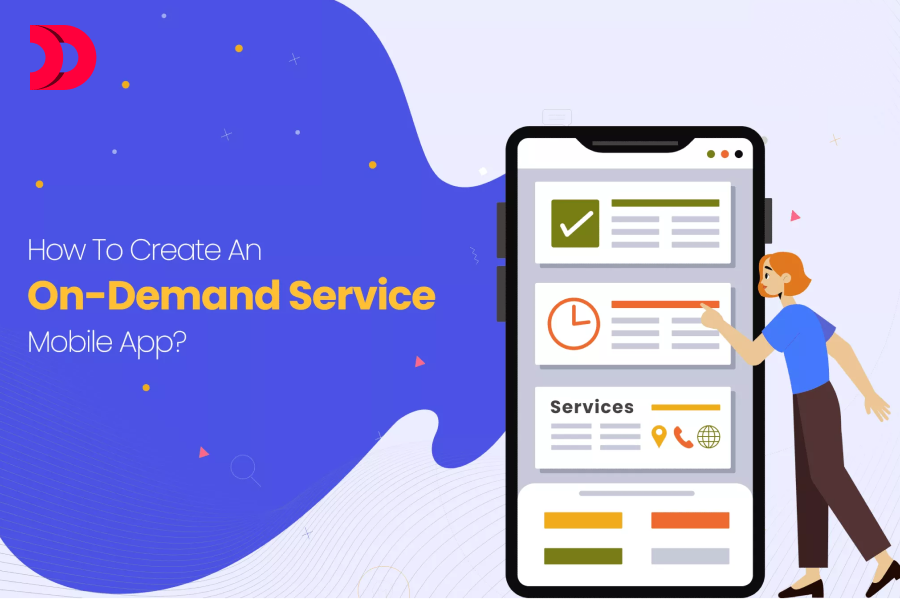
How to Create an on-demand Service Mobile App?

In this fast-paced world, on-demand service apps are unquestionably taking over. As a result, entrepreneurs have come to value and invest in on-demand apps and seek Mobile app development services. Nowadays, on-demand applications are popular, and many businesses have reached new heights by providing on-demand Mobile app Development Services. Are you also planning to develop on-demand apps for your service? Don’t worry, we’ve come to your help; we’ve outlined all of the processes and circumstances that must be met in order to create a full-featured on-demand application as well as the on-demand app Development cost.

What is an On-demand App?

On-demand service apps are service platforms that connect clients who have a short wait time with independent service providers or agents. Such an app acts as a go-between for a company and a consumer, allowing them to meet in the first place and enter into a mutually beneficial customer-provider relationship. The cost of developing on-demand delivery software ranges from $53,400 to $930,000.

There are two main on-demand business concepts by a Mobile app development company.

You must first identify which business model best suits your objectives before moving further with on-demand app development. 

On-demand app for your Own Company:

If you have a business that you want to expand to a larger network, you can transform it into an on-demand service app. For example, if you own an event management firm, you might consider developing an on-demand delivery app that allows your customers to order services, choose themes they prefer, and have them delivered to their door. 

On-demand Marketplace:

The On-demand service app not only covers a single service but also develops a trading platform for the rest of the organization. Creating a web or mobile platform that connects a pool of users with the appropriate businesses or suppliers. This is simpler than a single service because you don’t need to understand the actual firm that delivers the items or services.

How to Build a Successful On-demand Service App?

To construct a successful on-demand service application, we recommend the following steps:

1. Pick a Niche

Find your own niche, but keep in mind that simply filling it is not enough. This void must be filled with a product that people will enjoy, one that will improve their lives. Make certain that the finished product is dependable, user-friendly, and always available.

2. Begin at the Local Level 

Before you fully commit to a business, it’s always a good idea to investigate and investigate. Working locally increases your chances of having things under control, whether it’s recruiting new contractors, logistical management, professional training, marketing, or app updates.

3. Identify your intended Audience

Knowing the person who will benefit from your service is critical to the success of your business. Your audience must be persuaded. Always design products with the end customer in mind. Conduct comprehensive market research, and beta testing, and don’t forget to read our post on what marketing blunders to avoid.

4. Establish a pricing Strategy

Any for-profit company’s first priority is to find the best pricing approach. The provider determines the pricing for some on-demand service apps, whereas, in a standard on-demand marketplace, vendors establish their own prices and can only charge a service fee. The riskiest technique is to overprice; It can render you unable to compete and undermine all of your efforts in developing the software.

The Essentials of the On-demand Service Mobile App

Registration and creation of a user profile.

This feature will be determined by your on-demand delivery app’s business model.

Integration of maps.

Users will be able to find the location of your business on a map using this function.

Tracking in real-time.

Your users will be able to determine the location of the courier and the estimated delivery time.

Lists and filters.

This feature is required if your company sells more than one product or service, and it is required in an on-demand marketplace.

Vendor information.

This is a must-have feature for a multi-vendor, on-demand marketplace since it allows customers to assess the business’s credibility.

The shopping cart.

It enables the customer to progress from researching to purchasing a service or product.

Gateway for payments.

Online credit or debit card payment is a must-have feature, and the cash-on-delivery option is also worth considering because some new clients may prefer to pay this way when making their first purchase.

Ratings and feedback.

Create a rating system for each vendor and give them the option to post a review.

Notifications through push.

These are required for user retention and news dissemination.

Conclusion:

This is all about the specifics of on-demand application development and estimated on-demand app Development cost. You are welcome if you are planning to Hire Dedicated mobile app developer, then Devstree IT Solution UK can be a good Mobile app development company to fulfill your requirements. Hire a mobile app developer from our Mobile App Development Company now. 

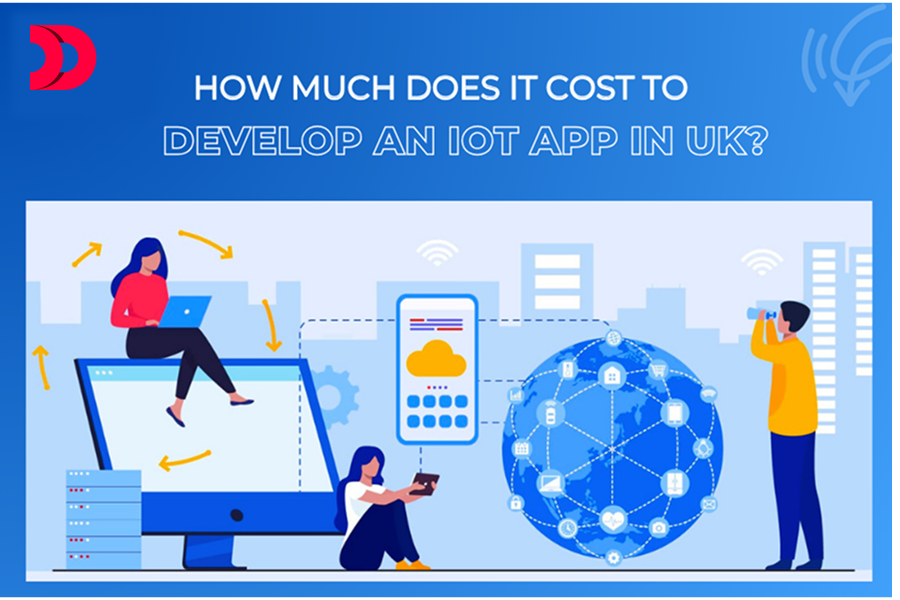
How Much Does It Cost to Develop an IoT App in UK?

In today’s rapidly advancing technological landscape, the Internet of Things (IoT) has emerged as a game-changer for businesses across various industries. Connecting devices, collecting data, and enabling smart decision-making, IoT applications have become indispensable for companies looking to stay ahead in the digital era. If you’re considering developing an IoT app for your business in the UK, you’re likely wondering about the costs and time involved. In this blog post, we’ll delve into the key aspects of IoT app development, including why it’s beneficial for your business, the time it takes to build such an app, and the associated costs.

Why Develop an IoT App for Your Business?

1. Enhanced Efficiency and Automation

IoT apps empower businesses to automate processes and enhance operational efficiency. From monitoring equipment in real-time to optimizing supply chain logistics, IoT applications can streamline various aspects of your business operations.

2. Data-driven Decision Making

Collecting and analyzing data from connected devices provides valuable insights that can drive informed decision-making. An IoT app allows you to harness the power of data, enabling you to make strategic choices that positively impact your business.

3. Improved Customer Experience

IoT applications can enhance the overall customer experience by offering personalized and innovative solutions. From smart home devices to wearable technology, businesses can create products that cater to evolving customer needs and preferences.

How Long Does It Take to Build an IoT App?

The development timeline of an IoT app can vary based on several factors, including the complexity of the project, the number of features, and the technology stack. On average, an IoT app development project may take anywhere from a few months to a year.

1. Planning and Ideation

The initial phase involves defining the scope, goals, and functionalities of the IoT app. This planning stage sets the foundation for the entire development process and may take a few weeks to a couple of months.

2. Design and Prototyping

Creating the user interface (UI) and user experience (UX) design is crucial for ensuring a seamless and intuitive app. The design and prototyping phase may take a few weeks, allowing for iterations and feedback.

3. Development

The actual coding and development of the IoT app come next. This phase can take several months, depending on the complexity of the project and the size of the development team.

4. Testing

Thorough testing is essential to identify and fix any bugs or issues. The testing phase can take a few weeks to a couple of months, ensuring a reliable and secure IoT app.

5. Deployment

Once testing is complete, the IoT app is ready for deployment. The deployment phase involves making the app available for users and can take a few weeks.

How Much Does It Cost to Develop an IoT App in the UK?

The cost of developing an IoT app in the UK depends on various factors, including the complexity of the project, features, and the development team’s expertise. To get an accurate estimate, it’s crucial to consult with experienced IoT app development companies or hire skilled IoT app developers.

Hiring IoT App Developer vs. IoT App Development Company

Deciding whether to hire a freelance IoT app developer or work with an IoT app development company depends on your specific needs. While hiring a freelance developer may be cost-effective for smaller projects, partnering with a development company offers the advantage of a comprehensive team with diverse skills.

Key Cost Factors

Development Team Costs: Including project managers, developers, designers, and testers.

Technology Stack: The choice of technologies and platforms can impact development costs.

Features and Complexity: The more features and complexity, the higher the development costs.

Testing and Quality Assurance: Ensuring a bug-free and secure app adds to the overall cost.

Conclusion

In conclusion, developing an IoT app for your business in the UK is a strategic investment that can result in increased efficiency, data-driven decision-making, and an improved customer experience. While the costs and timeline can vary, partnering with the right IoT app development professionals is essential to ensure a successful and impactful project. Whether you choose to hire an IoT app developer or collaborate with an IoT app development company, make informed decisions to drive your business into the future of connectivity and innovation.