Chat on WhatsApp

How Much Cost to Build WordPress Website?

If you’re looking to have a WordPress website developed, you’re likely to be thinking about the WordPress web development costs in 2023. Even though the cost of building the WordPress website is around 200 USD, it is still a reasonable amount. i.e. INR15000. However, depending on your requirements for the website, the price to construct a WordPress website may range from $100-$600 up to $2500, and even $25,000. The WordPress cost of developing a website is based on many factors. The kind of site, its goal of the site, and the features it offers are just a few of the elements that affect the WordPress cost of a website. In addition, There are plug-ins, theme templates, and many more to consider to pay for the perfect WordPress website.

What is WordPress?

WordPress is a CMS for managing content (CMS) that was developed in the year 2003 in 2003 by Matt Mullenweg. It allows users to create blogs or websites starting from scratch, or modify an existing website. WordPress can be downloaded in both the form of a premium and free version. The free version is limited to the number of blogs that can be made and the amount post that may be published each day, whereas the premium version comes with additional features and allows the creation of more blog posts and blogs created each day.

Read More Article – What Will It Cost to Develop a Mobile App in 2023?

How Much Do WordPress Websites Cost?

We’ve included a few details to help you get a comprehension of the amount you’ll need to shell out for getting a WordPress website built:

Factors Determining WordPress Website Development Cost

Plug-Ins

To make certain features available on the features of your WordPress website, you’ll have to install plug-ins. Plug-ins are similar to extensions or apps that you can use to enhance your WordPress website. There are over 4000 plugins, however, you must install only those you need to your website.

If you’re building a basic model of the WordPress website, and you just want to display your services or products, then you might want to consider incorporating plug-ins available offered for no cost.

If you’re on an affluent budget and require more features, you could consider the more expensive version of the plug-in. The more plug-ins that you install, the greater will be the expenses. Therefore, it will increase WordPress Development Costs.

Themes

Themes are an essential component of the WordPress website. If you’re a professional with a good understanding of languages such as HTML and CSS and CSS, you are able to create your own WordPress Theme on your own. However, you could consider choosing Free WordPress Themes or Paid WordPress Themes.

WordPress themes for free consist of fewer functions and are consequently faster to load. If you’re on a budget or you’re planning to build a WordPress website to build an online presence, you could consider the top WordPress free themes such as Astra, Knight, etc.

However, if you require more features and wish to secure your website You can think about purchasing premium versions of the WordPress Themes that are free. There’s a wide range of prices for paid versions of WordPress themes. There are themes that range from $100 to $200. The cost of purchasing a premium theme will raise the price of your WordPress website.

Hosting

Hosting is a crucial element for every website. It lets other webmasters access your website via the internet. It’s a space that is purchased through the website server to save your website’s files. There are a variety of hosting companies offering different costs for hosting your website accessible on the market. However, the three most sought-after hosting providers are GoDaddy, Bluehost, A2 Hosting, and SiteGround.

If you’re tight on money, then you can choose an affordable hosting plan that is not more than $8 per month. If you’re looking to invest more money on your WordPress website, and you’re looking for more features on the website, you’ll need a hosting plan that costs between $15 and $20.

Domain

The domain name is your website with a unique identity on the internet. If your hosting company provides a domain for free in conjunction with the hosting plan, you are able to select the domain. On the other hand, you may opt to buy a paid domain. It’s an average cost of about $10-15 per year to purchase and keep a domain.

SSL Certificate

If you want to increase the security of your WordPress site, then you can purchase SSL certificate for your site to improve the security of your website. However, adding a premium SSL certificate will cost you some money and raise the cost of your WordPress website.

Conclusion

These are just a few of the elements that determine the cost of a WordPress website. So long as you do not intend to purchase themes and plug-ins, they won’t cost you anything.

If you’re looking to include certain features on your site or enhance its appearance, then you’ll have to buy premium WordPress themes and Plugins. The costs for these themes, as well as plug-ins, isn’t obligatory, it could be considered as optional but with a high likelihood of cost.

It’s also impossible to run a site without hosting and domains, the costs incurred can be considered necessary costs.

If you’ve been planning to get WordPress website built and you’re thinking about what WordPress templates and plugins could aid in improving the website’s functionality and look If you’re interested, get in touch with us. We’ll give you the best assistance possible! Devstree IT Solution UK is a reliable WordPress Development Agency. We offer top high-quality website design and development services for all kinds of companies at extremely competitive costs. Visit our website development pricing packages now!

Reasons Why You Should Choose E-commerce Website for Your Business

In the ever-evolving world of business, embracing technology is not just a choice; it’s a necessity. One of the most impactful decisions you can make for your business is to establish a robust online presence through an e-commerce website.

This blog explores the ten compelling reasons why choosing an e-commerce platform is a strategic move for the success and growth of your business.

Reasons to Build an E-commerce Store

1. Global Reach

An e-commerce website breaks down geographical barriers, allowing your business to transcend borders and connect with a global audience. Expand your market reach and explore untapped potential in international markets.

2. 24/7 Availability

Say goodbye to the limitations of traditional business hours. With an e-commerce store, your business is open 24/7, providing customers the flexibility to browse and make purchases at their convenience.

3. Cost-Efficiency

Running an e-commerce store is often more cost-effective than maintaining a physical storefront. Lower overhead costs mean you can allocate resources to areas that contribute directly to your business’s growth.

4. Customer Convenience

Offer unparalleled convenience to your customers. With just a few clicks, they can explore your products, make purchases, and have items delivered to their doorstep. Enhance customer satisfaction by making their shopping experience seamless.

Read MoreHow Can Mobile Apps Boost Your eCommerce Sales?

5. Data-Driven Insights

Access valuable data and analytics to understand customer behavior, preferences, and market trends. Utilize this information to make informed decisions, tailor your offerings, and stay ahead of the competition.

6. Scalability

As your business expands, your e-commerce website can easily scale to accommodate increased traffic and transactions. This scalability ensures your online platform evolves with the growing needs of your business.

7. Marketing Opportunities

Leverage a variety of marketing tools available on e-commerce platforms, including social media integration, email campaigns, and search engine optimization. Effectively reach your target audience and promote your products or services with precision.

8. Streamlined Operations

Automate various aspects of your business, such as inventory management and order processing, through your e-commerce website. Streamlining operations reduces errors, increases efficiency, and allows you to focus on strategic business aspects.

9. Enhanced Customer Engagement

Foster stronger relationships with your customers through real-time communication features like live chat, customer reviews, and personalized recommendations. Engage with your audience and build loyalty for long-term success.

10. Competitive Advantage

In a competitive market, differentiation is key. Establishing an e-commerce presence showcases your commitment to innovation and meeting modern consumer expectations, giving your business a distinct competitive advantage.

How can Devstree IT Services Help You?

At Devstree IT Services UK, we understand the transformative power of e-commerce for businesses. Our expertise lies in creating customized, user-friendly e-commerce solutions tailored to your unique needs. Whether you’re launching a new online store or enhancing an existing one, we provide end-to-end services, from development to ongoing support. Elevate your business with our comprehensive e-commerce solutions – your success is our priority.

How Much Does It Cost to Develop a Smart TV Remote App?

In today’s digital world, it’s super handy to use our smartphones to control our smart TVs. More and more people want apps that let them do this. But how much does it cost to make these apps? Let’s break it down and see what affects the cost.

Understanding how much it costs to Build a TV remote App

When considering the cost of developing a smart TV remote app, several factors come into play. These factors not only affect the overall cost but also contribute to the app’s functionality, design, and user experience. Here’s a breakdown of key considerations:

Features and Functionality

The features you want your TV remote app to offer to play a significant role in determining the development cost. Basic functionalities such as power on/off, volume control, and channel selection are standard. However, if you’re aiming for advanced features like voice recognition, screen mirroring, or integration with other smart home devices, expect the cost to increase accordingly.

Platform Compatibility

Deciding whether to develop the app for a single platform (e.g., Android or iOS) or multiple platforms affects the cost. Developing for multiple platforms requires additional resources and, consequently, a higher budget. However, it also widens your app’s reach and accessibility.

Design and User Interface

A well-designed user interface enhances user experience and engagement. Investing in intuitive navigation, appealing visuals, and seamless interactions may incur higher design costs but can significantly impact the app’s success and user satisfaction.

Integration and Compatibility

Ensuring compatibility with various smart TV brands, models, and operating systems adds complexity to the development process. The more extensive the compatibility requirements, the more resources and testing are needed, leading to increased costs.

Development Team and Company

Choosing the right app development company or hiring skilled developers influences cost. Factors such as their expertise, location, and reputation in the industry can affect hourly rates or project-based pricing.

Maintenance and Support

Post-launch maintenance and support are crucial for keeping your TV remote app updated, bug-free, and compatible with evolving technologies. Factoring in ongoing maintenance costs is essential for the app’s long-term success and user satisfaction.

Estimating TV Remote App Development Costs

While it’s challenging to provide a precise figure without understanding specific project requirements, here’s a rough estimate:

Basic TV Remote App

Includes essential features like power on/off, volume control, and channel selection for a single platform.

Intermediate TV Remote App

Incorporates additional features such as voice control, favorite channels, and basic integration with smart home devices for one or multiple platforms.

Advanced TV Remote App  

Offers advanced functionalities like screen mirroring, personalized recommendations, and extensive compatibility across multiple platforms and smart TV brands.

Conclusion

The cost of developing a smart TV remote app varies depending on various factors, including features, platform compatibility, design, development team, and ongoing maintenance. By understanding these factors and working closely with experienced app developers, you can develop a high-quality TV remote app that meets your budget and exceeds user expectations.

For professional assistance in TV remote app development, consider partnering with Devstree UK, a leading app development company known for delivering innovative solutions tailored to your needs. Contact us today to discuss your project requirements and receive a personalized cost estimate.


How Much Does it Cost to Build an Educational App?

Creating an educational app can be a significant investment in terms of both time and money. The cost of building an educational app varies based on several factors, including the complexity of the app, the features it offers, and the team you hire for development. In this article, we will break down the key factors that influence the cost and provide insights on how to effectively budget for your project.

Factors Influencing the Cost of Building an Educational App

App Complexity and Features

The complexity of your educational app greatly impacts the cost. Basic apps with simple features, such as user login, basic content delivery, and quizzes, are relatively inexpensive. However, if you require advanced features like real-time collaboration, gamification, interactive videos, and analytics, the cost will be higher.

Design and User Experience

Investing in a professional design team can enhance the attractiveness and usability of your app, which is crucial for user engagement. A well-designed app with an intuitive user interface, custom graphics, animations, and a user-friendly layout will add to the overall cost but is essential for success.

Development Team Location and Expertise

The cost of hiring a development team can vary significantly. Hiring developers from a reputable app development company may be more expensive compared to freelance developers. Additionally, the location of your developers plays a role; for instance, developers in North America and Europe typically charge higher rates than those in Asia.

Platform and Technology

Deciding whether your educational app will be for iOS, Android, or both will affect the cost. Developing for multiple platforms requires more resources and can double the development time. Additionally, the choice between native and cross-platform technology will influence the cost.

Maintenance and Updates

Building an app involves ongoing expenses. Continuous maintenance, updates, and customer support are essential to keep your app functional and competitive. Budgeting for these ongoing costs is crucial for the long-term success of your educational app.

Estimating the Cost

The cost of building an educational app can vary widely:

Basic App: $10,000 – $30,000

Medium Complexity App: $30,000 – $70,000

Highly Complex App: $70,000 – $150,000+

These estimates depend on the factors mentioned above. Working with a reputable mobile app development company can provide a more accurate estimate tailored to your specific needs.

Choosing the Right App Development Team

When it comes to hiring, you have several options:

Freelance Developers: More affordable but may lack the comprehensive skill set needed for complex projects.

App Development Companies: Offer a complete package with designers, developers, and project managers, ensuring a smoother development process.

In-house Team: Provides more control but requires significant investment in salaries, benefits, and infrastructure.

Tips for Hiring the Right Team

Check Portfolio: Look for experience in developing educational apps.

Client Reviews: Read reviews and testimonials to gauge their reliability.

Technical Skills: Ensure they are proficient in the technologies required for your app.

Communication: Good communication is vital for successful collaboration.

Conclusion

Building an educational app is a worthwhile investment, but it’s essential to plan your budget carefully. By understanding the factors that influence the cost and choosing the right team to hire, you can ensure that your project is completed successfully and within budget. Whether you decide to hire mobile app developers individually or partner with an experienced app development company, taking the time to research and plan will pay off in the long run.

If you’re ready to start your project, reach out to a reputable mobile app development company today to get a detailed quote and take the first step towards bringing your educational app to life.

How can CodeIgniter Development Services Help you Grow Your Business?

CodeIgniter is a powerful PHP web application framework that helps businesses of all sizes build robust and scalable web applications. With its user-friendly and lightweight structure, CodeIgniter enables developers to build web applications quickly and efficiently, reducing development time and cost.

If you want to grow your business and reach a wider audience, investing in CodeIgniter Development Servicesis an excellent way to achieve your goals. Here are some ways CodeIgniter can help grow your business:

Scalability: CodeIgniter is designed to be scalable so that your web application can grow with your business. Whether you need to add new features or support multiple users, CodeIgniter can handle it.

Speed: CodeIgniter is known for its fast performance, making it a great choice for businesses that need to process large amounts of data quickly.

Security: With built-in security features, CodeIgniter helps keep your web applications secure and protects your company’s and customers’ sensitive data.

Customization: CodeIgniter provides a wide range of tools and libraries that allow developers to customize the framework to meet specific business needs. This provides more flexibility and control over the development process.

Cost-effective: CodeIgniter is an open-source framework, which means it’s free to use, and has a large developer community that contributes to its continuous development. This helps reduce development costs, making it an affordable option for businesses of all sizes.

Overall, CodeIgniter development services can help you grow your business by providing a solid foundation for your web applications so you can focus on your core business goals. Whether you’re building a new web application or improving an existing one, CodeIgniter can help you achieve your goals quickly and efficiently.

How much does Codeigniter Cost to Develop Websites?

CodeIgniter website development costs can vary depending on a number of factors, including the complexity of the website, the number of features and functionality desired, and the level of customization required. Other factors that can affect the cost of developing a CodeIgniter website are the experience of the developer and the geographic location of the development team.

Overall, the cost of developing a CodeIgniter website can range from a few thousand dollars to tens of thousands of dollars. A simple website with basic features and functionality may cost less, while a complex website with advanced features such as e-commerce capabilities or integration with other systems may cost more.

For a more accurate CodeIgniter website development cost estimate, it is best to discuss your needs with a professional CodeIgniter development company or developer. They can provide you with a detailed quote based on your specific needs and requirements.

It’s worth noting that while the cost of CodeIgniter website development can be a huge investment, it can also bring long-term benefits to your business by providing a scalable and flexible platform for your online presence. Additionally, working with a reputable and experienced development team can help ensure that your website is of high quality and meets all of your business needs.

Migrate existing website to Codelgniter

Yes, it is possible to migrate an existing website to CodeIgniter, although the process may vary depending on the complexity and structure of the existing website.

The first step in migrating an existing website to CodeIgniter is to analyze the structure and functionality of the current website to determine what content can be transferred to the new platform. This process involves identifying the current website data structure, content, and design, as well as any existing functionality or features that need to be replicated in CodeIgniter.

Once the analysis is complete, the development team can begin building a new CodeIgniter site that replicates the structure, functionality, and design of the existing site. This process involves designing and developing new database structures as well as writing custom code to replicate any existing functionality.

New websites must also be optimized and tested by search engines to ensure all functional and performance requirements are met. It’s worth noting that the process of migrating an existing site to CodeIgniter can be complex and time-consuming, and it’s recommended to work with an experienced CodeIgniter development team to ensure a smooth and successful migration.

Overall, migrating to CodeIgniter can bring many benefits to your website, including better performance, scalability, and flexibility. It also makes it easier to add new features and functionality over time, helping your site stay relevant and relevant to your audience.

The Last Words

In summary, CodeIgniter is a powerful PHP web application framework that can help businesses of all sizes grow and thrive by providing a stable, extensible and customizable platform for web applications. With its lightweight structure, user-friendly design, and built-in security features, CodeIgniter is an excellent choice for businesses looking to create a new website or improve their existing online presence.

CodeIgniter website development costs can vary depending on a number of factors, including the complexity of the website, the number of features and functionality desired, and the level of customization required. It is best to discuss your requirements with a professional CodeIgniter Development Company or Hire CodeIgniter developer to get an accurate cost estimate.

It is also possible to migrate an existing website to CodeIgniter, although this can be a complex and time-consuming process that requires the expertise of an experienced development team. Overall, CodeIgniter is a great choice for businesses looking to grow their online presence, providing a solid foundation for their web applications and allowing them to focus on their core business goals.

Laravel Reliable for eCommerce Website Development?

Yes, Laravel Development is a reliable choice for eCommerce Website. Laravel is a popular PHP web framework known for its ease of use, scalability, and security features, making it well-suited for building complex eCommerce applications. Laravel’s built-in features, such as authentication, routing, and database management, can save time and streamline the development process. Additionally, Laravel Development has a large and active community that provides a wealth of resources and plugins, making it easier to add functionality to your eCommerce website.

Moreover, Laravel supports multiple payment gateways, which is essential for any eCommerce website. Laravel has also implemented features that help in the development of APIs for mobile apps and integrations with third-party applications.

Overall, Laravel provides a solid foundation for building reliable and scalable eCommerce websites, and many businesses have successfully used it to create their online stores.

Look at Some of  Reasons Why Laravel is a Reliable Choice for eCommerce Website Development:

Security:

 Laravel has a range of built-in security features, including protection against SQL injection, cross-site scripting, and cross-site request forgery. The framework also provides an authentication system that can be easily customized to meet the specific security requirements of an eCommerce website.

  1. Easy to use: Laravel has a straightforward syntax and an intuitive structure that makes it easy to learn and use. This can save time and effort during development, allowing developers to focus on creating the features and functionality that the eCommerce website needs.
  2. Database management: Laravel includes a powerful ORM (Object-Relational Mapping) system that simplifies database management. This can make it easier to work with the data that an eCommerce website needs to function, such as product listings, customer information, and order details.
  3. Payment gateway support: Laravel supports multiple payment gateways, including Stripe, PayPal, and Braintree. This allows businesses to choose the payment processing solution that best fits their needs.
  4. Active community: Laravel has a large and active community of developers who contribute to the framework’s development and provide resources such as documentation, tutorials, and plugins. This can help eCommerce website developers to quickly find solutions to common problems and access a wide range of tools and resources to help build their website.

Overall, Laravel’s combination of security, ease of use, database management, payment gateway support, and active community make it a reliable and popular choice for eCommerce website development.

Why Laravel is a Good Choice for Building eCommerce Websites?

MVC architecture: Laravel follows the Model-View-Controller (MVC) architecture, which separates the application’s data, user interface, and control logic. This allows developers to create clean, maintainable, and scalable code, which is essential for building complex eCommerce websites.

  1. Blade templating engine: Laravel’s Blade templating engine provides an easy-to-use and intuitive syntax for creating reusable templates. This allows developers to create a consistent look and feel across an eCommerce website and make changes quickly and easily.
  2. Artisan command-line interface: Laravel’s Artisan command-line interface provides a range of helpful tools for developers, including database migrations, job scheduling, and code generation. This can save time and effort during development and streamline the process of building an eCommerce website.
  3. Testing: Laravel provides a comprehensive testing framework that makes it easy to write and run tests to ensure that an eCommerce website is working as intended. This can help to catch bugs and other issues early in the development process and ensure that the website is stable and reliable.
  4. Package ecosystem: Laravel has a rich ecosystem of packages and extensions that can be used to extend the functionality of an eCommerce website. These packages can provide everything from additional authentication methods to integrations with popular payment gateways.

In summary, Laravel’s MVC architecture, Blade templating engine, Artisan command-line interface, testing framework, and package ecosystem make it a robust and reliable framework for building eCommerce websites.

How to Hire Laravel Developer?

Here are some steps you can follow to hire a Laravel developer:

Define your requirements: Before you start looking for a Laravel developer, it’s important to define your requirements and what you want your eCommerce website to accomplish. This can help you to identify the specific skills and experience that you need in a developer.

  1. Create a job description: Based on your requirements, create a job description that clearly outlines the skills, experience, and responsibilities of the Laravel developer you’re looking for. You can post the job description on job boards, social media, and other relevant websites.
  2. Screen resumes and portfolios: Once you start receiving resumes and portfolios, review them carefully to identify candidates who meet your requirements. Look for candidates who have experience building eCommerce websites with Laravel and who can provide examples of their work.
  3. Conduct interviews: After you’ve identified a pool of potential candidates, conduct interviews to learn more about their skills, experience, and working style. Ask questions about their experience with Laravel, eCommerce website development, and their approach to problem-solving.
  4. Check references: Before making a hiring decision, check the references of the candidates you’re considering. This can help you to get a better sense of their work ethic, reliability, and performance on previous projects.
  5. Make an offer: Once you’ve identified the right candidate, make an offer that includes details about the job responsibilities, salary, benefits, and any other relevant details.

By following these steps, you can Hire Laravel Developer who has the skills and experience needed to build a reliable and effective eCommerce website.

How to Develop a Metaverse Platform for Fashion Business?

D

eveloping a Metaverse platform for a fashion business requires a combination of technical expertise and industry-specific knowledge. Here are some steps to consider:

Define the objective of the Metaverse Platform

Determine what you want to achieve with the platform. Is it to showcase your fashion products or to create a virtual store for customers to purchase your products?

Choose the Platform

Choose a platform that suits your needs. Some popular Metaverse platforms include Decentraland, Somnium Space, and The Sandbox.

Hire a Development Team

Hire a team of developers who have experience with Metaverse platforms and can build the platform according to your specifications.

Create the Virtual World

Develop the virtual world by creating a 3D environment that reflects your brand’s aesthetics and style.

Design the Avatars

Create avatars that represent your brand’s target audience. Ensure that the avatars have customization options for users to personalize their experience.

Incorporate Fashion Products

Integrate your fashion products into the virtual world. This could include clothing, accessories, and cosmetics.

Implement e-commerce functionality

Add e-commerce functionality to the platform, allowing users to purchase products directly from the virtual world.

Test and Refine

Test the platform extensively to ensure that it is stable and user-friendly. Gather feedback from users and refine the platform accordingly.

Launch and Promote

Launch the platform and promote it through various channels, including social media, influencer marketing, and partnerships with other fashion brands.

Overall, developing a Metaverse platform for a fashion business requires careful planning, technical expertise, and a deep understanding of the fashion industry. By following these steps, you can create a successful Metaverse platform that showcases your brand’s products and engages with your target audience.

Benefits of Metaverse in the Fashion Business

The Metaverse has the potential to revolutionize the fashion industry by providing new ways for brands to engage with customers and showcase their products. Here are some of the key benefits of using Metaverse in the fashion business:

Enhanced Customer Engagement

The Metaverse allows fashion brands to engage with customers in a more immersive way than traditional marketing channels. Customers can explore virtual stores, try on clothes using their avatars, and interact with brand ambassadors and influencers.

Increased Brand Awareness

By creating a presence in the Metaverse, fashion brands can reach a wider audience and build brand awareness among tech-savvy consumers. This can lead to increased sales and customer loyalty.

New Revenue Streams

The Metaverse offers new revenue streams for fashion brands. Brands can sell virtual items such as clothing, accessories, and cosmetics, as well as offer virtual experiences such as fashion shows and events.

Cost-effective Marketing

Building a Metaverse platform can be expensive, but once it is built, it can be a cost-effective marketing channel. Brands can host virtual events, create immersive experiences, and showcase their products without the costs associated with traditional marketing channels.

Sustainable Fashion

The Metaverse can help promote sustainable fashion by allowing customers to try on clothes virtually before making a purchase. This can reduce the number of returns and the environmental impact of shipping products.

Overall, the Metaverse offers a range of benefits for the fashion industry, from increased customer engagement to new revenue streams and sustainable fashion practices. As the technology develops, we can expect to see more fashion brands entering the Metaverse and leveraging its potential to connect with customers in new and innovative ways.

How can Devstree IT Services Help you Begin your Metaverse Journey?

Devstree IT Services can provide end-to-end solutions for your Metaverse journey. From consultation to development and maintenance, they can help you build a successful Metaverse platform that engages with your target audience and drives sales for your fashion business.

Contact our team of Metaverse application developers today for a quick solution!

Estimate Cost To Build Music Streaming App

We all love streaming music online. Now, thanks to smart technology like AI, music apps have become even better. They can give us recommendations tailored just for us, making our experience even more enjoyable. If you’re thinking about making your own AI music streaming app, you might be wondering how much it will cost. Let’s take a closer look at what goes into making one and what factors affect the price.

What is a Music Streaming App?

A music streaming app allows users to listen to their favorite songs, albums, and playlists online, without the need for downloading. It offers a vast library of music across various genres and artists, accessible at the users’ fingertips. With the integration of AI technology, these apps can analyze users’ preferences and behaviors to curate personalized playlists and recommendations.

Features of AI Music Streaming App

Personalized Recommendations: AI algorithms analyze users’ listening history, preferences, and behavior patterns to suggest music tailored to their tastes.

Playlist Generation: Users can create customized playlists based on mood, genre, or activity, with AI assistance in suggesting songs that fit the selected criteria.

Dynamic Content Curation: The app continuously updates its content library with new releases, trending tracks, and curated playlists, keeping users engaged.

Audio Recognition: AI-powered audio recognition technology enables users to identify songs by simply holding their device near the audio source.

Enhanced Search: Advanced search capabilities allow users to find specific songs, albums, or artists quickly, with AI algorithms refining search results based on user interactions.

How to Make Money with AI Music Streaming App?

Subscription Model

Offer tiered subscription plans with features such as ad-free listening, offline downloads, and access to exclusive content.

Ad-Supported Model

Generate revenue through in-app advertisements targeted towards users based on their listening preferences and demographics.

Partnerships and Collaborations

Collaborate with artists, record labels, and brands for sponsored content, exclusive releases, and promotional campaigns.

In-App Purchases

Offer virtual goods, merchandise, or concert tickets within the app to enhance user engagement and generate additional revenue streams.

Conclusion

Making an AI music streaming app involves a few things like how much it costs to develop, what features you want, and how you plan to make money from it. The price can change depending on how hard it is to build and how good the team working on it is. If you partner with a good mobile app company, it can help make things easier and make sure the app turns out great. Whether you want to change the music streaming world or focus on specific groups of people, making an AI music app can make you a lot of money.

So, to sum it up, the cost of making an AI music streaming app depends on how hard it is to make, what features you want, and how you plan to make money from it. If you work with experienced people, you can make a cool app that people love and make money from.

Please review the Music AI – Music Generator app developed by Devstree UK for inspiration, and then feel free to reach out to them to discuss building a Music Streaming App.

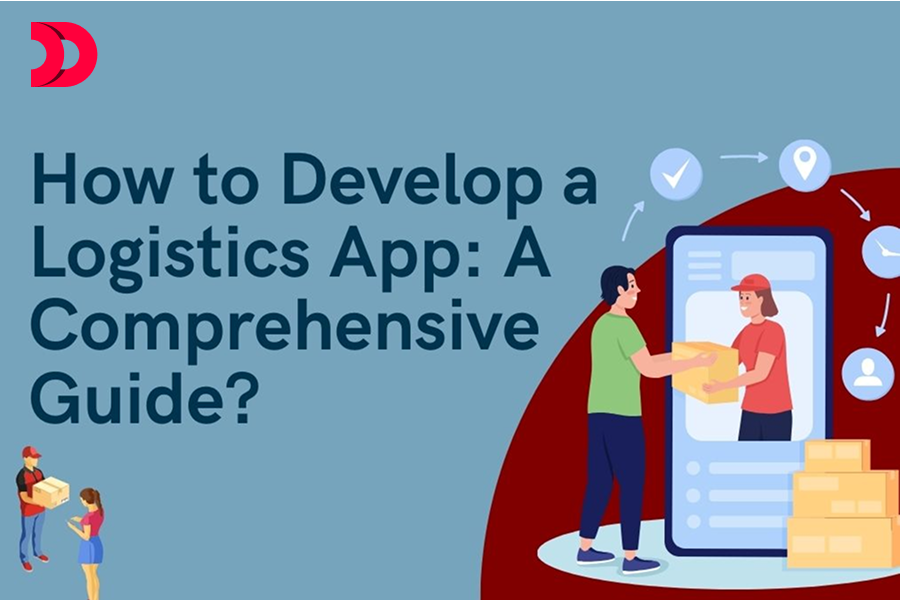
How to Develop a Logistics App: A Comprehensive Guide?

Developing a logistics app can revolutionize the way businesses handle transportation, inventory, and supply chain management. If you’re considering building a logistics app, this comprehensive guide will walk you through the essential steps and considerations to ensure your project’s success.

Understanding the Basics of Logistics App Development

Before diving into development, it’s crucial to understand what a logistics app entails. These apps typically include features like real-time tracking, route optimization, inventory management, and seamless communication channels between all stakeholders.

Finding the Right Logistics App Development Company

Choosing a reliable logistics app development company is a critical step. Look for a mobile app development company with a proven track record in logistics solutions. A company experienced in this niche will understand the unique challenges and requirements, ensuring a smoother development process.

Essential Features of a Logistics App

To create your logistics app, you need to incorporate several key features:

Real-time Tracking: Allows users to monitor the location and status of goods in transit.

Route Optimization: Helps in planning the most efficient routes, saving time and fuel costs.

Inventory Management: Tracks stock levels and manages warehouse operations.

Communication Tools: Facilitates communication between drivers, warehouse staff, and customers.

Hiring the Best Logistics App Developers

Hiring a skilled and experienced logistics app development team is crucial. When looking to hire mobile app developers, prioritize those with a strong background in logistics and supply chain solutions. They should be proficient in the latest technologies and development methodologies to deliver a robust and scalable app.

Development Process and Methodologies

The development process typically involves several stages:

Requirement Analysis: Understanding the client’s needs and objectives.

Design and Prototyping: Creating user-friendly designs and interactive prototypes.

Development: Writing the code and integrating necessary features.

Testing: Ensuring the app is bug-free and performs well under various conditions.

Deployment: Launching the app on relevant platforms.

Agile methodology is often preferred for logistics app development, as it allows for iterative progress and continuous feedback, ensuring the final product meets all requirements.

Cost Considerations

Logistics app development cost varies based on several factors, including app complexity, the number of features, and the expertise of the development team. It’s essential to discuss your budget with the logistics app development company to get a detailed estimate and avoid any hidden costs.

Post-Launch Support and Maintenance

Building a logistics app doesn’t end at deployment. Continuous support and maintenance are vital to ensure the app remains functional and up-to-date with the latest industry trends and technological advancements. Opt for a development company that offers comprehensive post-launch services.

Custom Logistics App Development Solutions

Every business has unique needs, and a one-size-fits-all approach rarely works in logistics. Consider custom logistics app development solutions tailored to your specific requirements. This bespoke approach ensures that the app aligns perfectly with your operational workflows and business goals.

Conclusion

Developing a logistics app can significantly enhance your business operations, offering real-time tracking, improved communication, and efficient inventory management. By partnering with the right logistics app development company and hiring the best developers, you can create a robust and scalable solution tailored to your needs. Remember to factor in development costs and post-launch support to ensure long-term success.

If you’re ready to transform your logistics operations, start your journey by finding a trusted mobile app development company and assembling a skilled logistics app development team. With the right approach, your logistics app will become an invaluable asset to your business, driving efficiency and growth.

13 Reasons to Why Select Magento for Your eCommerce Website?

Magento eCommerce development is one of the most well-known techniques among project managers as well as business owners. Open-source status, SEO-friendly as well as the ability to support many powerful extensions, and the high capacity drive the popularity of Magento within the business realms. There are a myriad of reasons for businesses to select Magento, and among them of them is user-friendliness. These are the primary reasons to consider using Magento in accordance with the views of top experts.

Open-Source

Open source is described as the primary reason Embitel suggests Magento. Embitel states that open source functions correctly and that there are open source and enterprise versions of Magento available.

Flexible

Simple updates of catalogues and showcases to the most recent releases, along with customized solutions for each customer for brands, products, shopping carts and many more.

SEO-Optimized

As many have stated, Magento simplifies SEO requirements management with the help of built-in login block feature.

Responsive

Mobile devices are extremely well-known in the modern world. This is why Magento assures you that your site is accessible to any user regardless of their screen sizes.

Diversity

Make your customers feel more comfortable clients by offering them an array of options.

Cross-Browser Compatibility

It doesn’t matter if your client makes use of Chrome, Mozilla, Safari or any other browser, your website will look perfect when it is formatted to match the particular browser.

Various Payment Methods

Whatever the case, whether your client is making purchases using PayPal, Quickbooks or directly through credit cards, Magento allows you to manage your transactions across the world quickly.

Multilingual, Multi-Currency, Secure and Secure

In spite of where in the globe your client purchases at, Magento allows you to easily communicate with them in their own language and collaborate with them in their local currency. Magento offers an encrypted platform on which sellers can conduct business without having to worry about the security of sensitive customer data

Return Material Authorization (RMA)

Everyone wants to ensure that all customers be satisfied with their purchase However, sometimes returns do occur. Magento simplifies this process effortless.

Themes and extensions

While Magento has a lot of power extensions enhance the capabilities of your customers, which means that they are more likely to purchase. The look of your shop could become more attractive based on the particular area you’re targeting due to the many available themes.

Advanced Reporting

Check that everything is functioning correctly, and be aware of the flaws in your choices so that you can achieve your goals by focusing on adjustments and updates.

One-Step Checkout

Magento provides a simple and easy one-step shopping experience which means less customers abandon their carts.

Multiple Navigation Options

Offering as much ease as you can to help customers discover what they are looking for can increase the probability of them making purchases.

Are you thinking about whether Magento could be the perfect option for you? Contact us for a discussion on Magento Development Services.