Chat on WhatsApp

How Much Does It Cost to Migrate a Website in UK?

Website migration can be a daunting task, but it’s often necessary to improve performance, switch hosting providers, or upgrade to a new platform. If you’re based in the UK and considering migrating your website, one of the first questions you’ll likely ask is: How much will it cost? The cost of website migration in the UK depends on several factors, including the complexity of your site, the type of migration, and whether you hire professionals or do it yourself. In this blog, we’ll break down the key factors affecting costs and provide a rough estimate to help you plan your budget.

What is Website Migration?

Website migration involves moving a website from one environment to another. This could mean switching hosting providers, moving from one content management system (CMS) to another (e.g., WordPress to Shopify), or upgrading to a new domain. Common types of migrations include:

Hosting Migration: Moving your website to a new hosting provider.

Domain Migration: Changing your website’s domain name.

Platform Migration: Switching to a new CMS or e-commerce platform.

Content Migration: Transferring content to a new website structure or design.

Each type of migration has its own challenges and costs, which we’ll explore below.

Factors Affecting Website Migration Costs

The cost of migrating a website in the UK can vary widely, ranging from £100 to £10,000 or more. Here are the main factors that influence the price:

  1. Website Size and Complexity

The size of your website (number of pages, amount of content, and features) significantly impacts the cost. A simple blog with 10 pages will be much cheaper to migrate than an e-commerce site with thousands of product pages, custom features, and integrations. For example:

  • Small websites (1–50 pages): £100–£1,000
  • Medium websites (50–500 pages): £1,000–£5,000
  • Large websites (500+ pages or complex functionality): £5,000–£10,000+
  1. Type of Migration

Different migrations require different levels of expertise and time. For instance:

Hosting Migration: Typically the simplest, costing £100–£500 for professional help.

Domain Migration: Costs £200–£1,000, including SEO considerations to avoid losing traffic.

Platform Migration: More complex, ranging from £1,000–£7,000, depending on the platforms involved.

Content Migration: Can cost £500–£5,000, especially if manual content transfer or reformatting is needed.

  1. DIY vs. Professional Services

If you have technical expertise, you might be able to migrate your website yourself, keeping costs low (e.g., just the price of hosting or domain fees, typically £10–£100). However, hiring a professional web developer or agency ensures a smoother process and minimizes risks like data loss or downtime. Professional services in the UK typically charge:

  • Freelancers: £25–£50 per hour
  • Agencies: £50–£150 per hour
  • Fixed project rates: £500–£10,000, depending on scope
  1. SEO and Redirects

Preserving your search engine rankings during migration is critical. Setting up 301 redirects, updating sitemaps, and optimizing the new site for SEO can add £200–£2,000 to the cost, depending on the site’s size and complexity.

  1. Additional Features and Integrations

If your website relies on third-party integrations (e.g., payment gateways, CRM systems, or analytics tools), reconfiguring these during migration can increase costs. Expect to pay £500–£3,000 for complex integrations.

  1. Downtime and Testing

Minimizing downtime and thoroughly testing the new site are essential to avoid losing customers. Professionals often include testing in their fees, but additional testing or troubleshooting can add £100–£1,000 to the bill.

Typical Costs for Website Migration in the UK

Here’s a rough breakdown of costs based on common scenarios:

Small blog (DIY hosting migration):£10–£100 (hosting fees only)

Small business site (professional hosting migration):£200–£800

E-commerce site (platform migration, professional):£2,000–£7,000

Large corporate site (full migration with SEO and integrations):£5,000–£10,000+

These are estimates, and costs can vary depending on your specific needs and the professionals you hire.

Tips to Reduce Website Migration Costs

Migrating a website doesn’t have to break the bank. Here are some tips to keep costs down:

Plan Thoroughly: Create a detailed migration plan to avoid unexpected issues.

Backup Everything: Ensure all data is backed up to prevent costly data recovery.

Choose the Right Time: Migrate during low-traffic periods to minimize revenue loss.

Compare Quotes: Get quotes from multiple freelancers or agencies to find the best deal.

DIY Where Possible: Handle simple tasks like content export yourself to reduce professional fees.

Conclusion

The cost of migrating a website in the UK can range from as little as £100 for a simple DIY migration to £10,000 or more for a complex, professionally managed project. By understanding the factors that influence costs such, as website size, migration type, and SEO requirements, you can better plan your budget and avoid surprises. Whether you’re a small business owner or managing a large e-commerce platform, investing in a smooth migration is crucial for maintaining your online presence and customer trust.

Ready to start your website migration? Contact a professional today to get a personalized quote and ensure a seamless transition.

Best 10 Magento Development Companies in London UK [Updated 2025]

If you’re trying to find the most reputable Magento Development Companies in UK. We offer an overview of the best Magento development Agency located in the United Kingdom that will lead your company to success. It is the goal for every businessperson to attain the success they desire, Magento development companies help in achieving this. In the UK There are most Top Best Magento Development companies that are known for their eCommerce-related services or special offers. They offer unique solutions to help grow your business. Also, it is difficult to find the perfect firm. Therefore, we assist you by providing a Top 10 Magento Development Company in London UK.

List of the Top 10 Magento Development Companies in UK

The following list will help you in the choice of the Magento development firm in the UK. These companies provide top services to customers.

1) Devstree UK- #1 Rated Magento Development Agency

Devstree is one of the leading Magento development companies in London UK and with development centers in India and customer delivery centers in the USA, Canada, Australia, and Sweden. It was founded in 2013. If you are looking for an agency with a service level of UK with the cost advantage of offshoring, this could be the ideal agency for you.

Services Offer:

Custom E-commerce Store Development

Magento Theme Development

Magento API Development

Magento Module Development

Custom Magento Extension Development

Payment Gateway Integration

Address: Blackwater, Camberley London, England, United Kingdom

Website– https://www.devstree.co.uk/

Contact Number– +44 7741 374378

2) Rave Digital- Best in Class Magento eCommerce Solutions

It is the top Magento development firm in the UK. The company was established in 2007. It’s spread across UK, US, and Belarus. They have more than 999 employees who are committed to their work. They have a group of highly skilled software engineers. They provide complete eCommerce solutions to businesses to help them launch and maintain an online presence that is professional.

Services Offer:

Magento eCommerce development

  • Hybrid software development

Address: Address: 86-90 Paul Street, London EC2A 4NE, United Kingdom.

Website– https://www.ravedigital.co.uk/

Contact Number– +442071019280

3) ADVOX Studio- Top Rated Magento Development Company

ADVOX is the leader in the sector of Magento development firms in the UK. It was established a decade before. With offices in UK, Sweden, and Poland Its team of 50+ designers, developers as well as PMs, testers and testers have designed, created, as well as maintained Ecommerce websites.

Services Offer:

Ecommerce development

  • Software development

Address: Unit 11. Chessingham Park, Common Road, York YO19 5SE, United Kingdom.

Website– http://advox.pl/

Contact Number– +48612817349

4) iWeb

It is the top Magento development firm in the UK. It is a long-standing business that was established in 1995. With the experience of over 24 years, this business has its place in the field of marketing. It has 49 employees. Every employee is a software expert.

Services Available:

Magento development

  • Hybrid software development

Address: 10. Parker Court, Staffordshire Technology Park, Stafford ST18 0WP, United Kingdom.

Website– https://www.iweb.co.uk/

Contact Number– +441785279920

5) Vaimo

It is an Award-winning Magento Development Company in UK. It was established back in 2008 and was founded with the intention of providing the best possible solutions for your eCommerce website. The company’s headquarters is located in Sweden and it has offices across the world. They employ more than 1,000 employees. The company has long-lasting relationships with its customers.

Services Offer:

eCommerce development

  • web designing
  • Software development

Address: 1-3 Dufferin Street Craftwork, Studios, London EC1Y 8NA, United Kingdom

Website– https://www.vaimo.com/

Contact Number– 448455280640

Read More- TOP 10 Game Development Companies in London UK – 2024

6) CTI Digital:

CTI Digital is a well-recognized Magento company located in the United Kingdom. It was founded in 2013. The company has a team that is growing of 40+ innovative and ingenuous experts. With its innovative, high-quality and creative services, this firm earns the trust of its clients.

Services Offer:

E-commerce development

  • Hybrid software development

Address: – 5th Floor, 31 Dale Street, Manchester M1 1EY, United Kingdom.

Website– http://www.ctidigital.com/

Contact Number– +441617132434

7) Itranstion:

It is the worldwide Magento development firm in the UK. It was founded in 1998. They provide a wide range of software development and consulting services to clients in more than 30 different countries. The company employs more than 1000 employees. With its years of experience and expertise, it is able to secure its place on the Magento development area.

Services Offer:

Magento Development

  • Hybrid software development

Address: 3rd floor 5 to 8 Dysart Street, London, LND EC2A2BX, United Kingdom.

Website– https://www.itransition.com/

Contact Number– +442036872281

8) MageCloud:

It is a well-known Magento development firm in the United Kingdom. It is a results-oriented software agency that was established in 2014. MageCloud team comprises 40 people including 20 of Magento developers.

Services Offer:

Cross-software development

  • Ecommerce services
  • Address: – 11-13 Rhosddu Rd, Wrexham, WRX LL11 1AT, United Kingdome.

Website– https://magecloud.agency/magento-agency-london/

Contact Number– +442074594569

9) Scommence Mage Ltd: –

It’s a complete variety of eCommerce development services in the UK. In 2008, the company was established. They have pledged to offer top-quality services. The company has a small number of staff. The extensions are all affordable.

Services Offer:

Software Development

  • E-commerce Services
  • Hybrid Software Development

Address: Scommerce Mage Ltd. 39 Coresbrook Way, Knaphill, SRY Gu212TR, United Kingdom.

Website– https://www.scommerce-mage.com/

Contact Number– +44(0)1483487746

10) Opace Web design: –

It is a renowned eCommerce design agency within the United Kingdom. It was established in the year 2008 with the intention to provide the highest quality. It has 9 employees. They are all Magento specialists.

Services offered:

Magento development

Hybrid software development

Address: – 1 Devon Way, Longbridge Technology Park, Innovation Centre, Birmingham, WMD B312TS, United Kingdom.

Website– https://www.opace.co.uk/

Contact Number– +448450177661

What makes them stand out on the Top 10 Magento Development Companies?

They are classified according to the satisfaction of clients, as well as their ranking. They are adamant about providing quality of their services. If you’re also searching for the most effective Hire Magento developer, then it’s an ideal time to take advantage of the chance. These Companies will help you increase the growth of your business. It’s a wise choice to select one of these. For more information check out our official website.


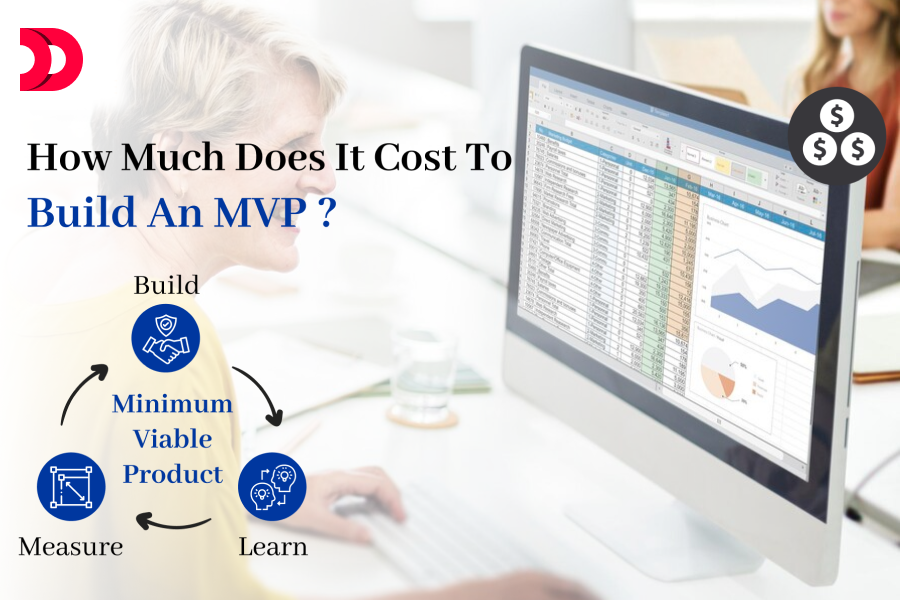
How Much Does It Estimate to Cost to Build an MVP App in UK?

Launching a mobile app can be an exciting venture, but one question looms large for every entrepreneur or business owner: How much will it cost? If you’re planning to build a Minimum Viable Product (MVP) app in the UK—a stripped-down version of your app to test the waters—understanding the costs involved is crucial. Whether you choose to hire an MVP app developer or an MVP app development company, prices vary based on complexity, features, and team expertise. This blog will break down the key factors influencing MVP app development costs in the UK and provide a realistic estimate to guide your planning.

What is an MVP App?

Before diving into costs, let’s clarify what an MVP app is. An MVP (Minimum Viable Product) is a basic version of your mobile app with just enough features to solve a core problem and attract early users. It’s not the fully polished product—it’s a starting point to validate your idea, gather feedback, and iterate. Think of it as a cost-effective way to test demand without committing to a full-scale build, whether you hire a dedicated app developer or collaborate with a team.

Now, let’s talk numbers.

Factors That Influence MVP App Development Costs in the UK

The cost of building an MVP app in the UK depends on several variables. Here’s what drives the price:

Complexity of Features

Simple MVP (e.g., a calculator or to-do list app): Fewer features mean lower costs.

Moderate MVP (e.g., a basic e-commerce or fitness tracker app): Requires integrations like payments or GPS, increasing effort.

Complex MVP (e.g., a ride-sharing or social networking app): Involves real-time updates, APIs, or advanced functionality, pushing costs higher.

Design Requirements

Basic UI: Minimal design with off-the-shelf templates keeps costs low.

Custom UX/UI: A tailored, user-friendly interface adds time and expense.

Development Team Rates

Freelancers: £20–£50 per hour. You can hire an MVP app developer as a freelancer for a cheaper option, though reliability varies.

Small Agencies: £50–£100 per hour. A balanced choice if you hire a mobile app developer from a small team.

Established UK Agencies: £100–£150+ per hour. An MVP app development company often charges higher rates for expertise and polish.

Platform Choice

Single platform (iOS or Android): Lower cost since you’re targeting one ecosystem.

Cross-platform (both iOS and Android): Frameworks like Flutter or React Native can save money over separate native builds.

Location of the Team

UK-based developers charge more due to higher living costs compared to outsourcing overseas. However, when you hire a dedicated app developer locally, you benefit from better communication and alignment with UK market needs.

Timeline

A rushed MVP (4–6 weeks) may incur premium rates, while a standard timeline (8–12 weeks) keeps costs manageable.

Backend Infrastructure

Simple apps might use off-the-shelf solutions (e.g., Firebase), while custom servers or APIs add to the budget.


Estimated Costs for an MVP App in the UK

Based on these factors, here’s a rough breakdown of MVP app development costs in the UK as of 2025, whether you hire an MVP app developer or an MVP app development company:

Simple MVP App

Features: Basic functionality (e.g., user login, one core feature like a list or calculator).

Time: 100–200 hours.

Cost: £5,000–£15,000.

Example: A note-taking app or local event finder.

Moderate MVP App

Features: 2–3 core features (e.g., payments, notifications, simple database).

Time: 200–400 hours.

Cost: £15,000–£40,000.

Example: A food delivery app or fitness tracker.

Complex MVP App

Features: Advanced functionality (e.g., real-time updates, third-party integrations).

Time: 400–800+ hours.

Cost: £40,000–£100,000+.

Example: A ride-hailing app or social platform.

These estimates assume a UK-based team with mid-range rates (£50–£100/hour). Outsourcing could lower costs by 20–40%, but factor in potential trade-offs when you hire a mobile app developer from abroad.


Breakdown of Costs

Here’s where your money typically goes when you hire a dedicated app developer or a team:

  • Planning and Research: 10% (£500–£5,000). Defining goals, user needs, and scope.
  • Design: 15–20% (£1,000–£10,000). Wireframes, UI/UX design.
  • Development: 50–60% (£3,000–£60,000). Coding the app and backend.
  • Testing: 10–15% (£500–£10,000). Bug fixes and quality assurance.
  • Launch and Maintenance: 5–10% (£500–£5,000 initially). App store fees, hosting, and early updates.

Hidden Costs to Watch For

  • App Store Fees: £25/year (Google Play) and £79/year (Apple App Store).
  • Third-Party Services: APIs (e.g., maps, payments) may have subscription costs.
  • Post-Launch Updates: Feedback-driven iterations can add 20–30% to your initial budget.

Tips to Keep Costs Down

  1. Start Small: Focus on one killer feature and nail it.
  2. Use Existing Tools: Leverage platforms like Firebase or pre-built UI kits to save time.
  3. Prioritize One Platform: Launch on iOS or Android first, then expand.
  4. Hire Smart: Whether you hire an MVP app developer or an MVP app development company, balance cost and quality—cheap freelancers might cost more in fixes later.
  5. Plan Thoroughly: A clear scope prevents expensive rework.

Is It Worth the Investment?

In the UK, where the tech scene is thriving (think London’s Silicon Roundabout), an MVP app can be a game-changer for startups and businesses. The key is to see it as an investment, not just an expense. A £20,000 MVP that proves your concept could save you from sinking £100,000+ into a full app nobody wants. Plus, with early user feedback—whether you hire a mobile app developer or a dedicated team—you’re building something tailored to real demand.

Final Thoughts

Estimating the cost of an MVP app in the UK isn’t a one-size-fits-all answer—it hinges on your app’s scope, team, and goals. A simple MVP might set you back £5,000–£15,000 if you hire an MVP app developer, while a more ambitious project could climb to £40,000 or more with an MVP app development company. By keeping your focus narrow and leveraging the right resources, you can launch an MVP that’s both affordable and effective.

Ready to bring your app idea to life? Whether you hire a dedicated app developer or partner with a trusted MVP app development company, start with a clear plan, a realistic budget, and the right expertise. The UK’s vibrant tech ecosystem is the perfect launchpad—take the leap!

React vs Angular: Which Framework to Choose for Your Blockchain App?

Are you looking to embark on the journey of developing a cutting-edge blockchain application? If so, you’re likely facing the pivotal decision of choosing the right framework. In today’s tech landscape, two juggernauts stand out: Angular and React. But which one is better suited for your blockchain endeavor? Let’s delve into the intricacies of both to help you make an informed decision.

Angular, backed by Google, and React, maintained by Facebook, are among the most popular JavaScript frameworks for building robust web applications. Their widespread adoption and vibrant ecosystems make them compelling choices. However, when it comes to developing a blockchain application, several factors come into play.

Angular: Power-packed for Complex Applications

Angular, with its opinionated structure and comprehensive features, is an excellent choice for large-scale and complex projects. Its MVC (Model-View-Controller) architecture provides a structured approach to development, facilitating better code organization and maintainability. Moreover, Angular’s two-way data binding simplifies real-time updates, which can be advantageous for certain blockchain applications requiring constant data synchronization.

For blockchain projects demanding scalability and enterprise-level support, Angular’s robustness shines through. Its TypeScript-based nature enhances code reliability and scalability, making it suitable for mission-critical applications. Additionally, Angular’s CLI (Command Line Interface) streamlines the development process, offering powerful tools for testing, debugging, and deployment.

React: Agility and Flexibility

On the other hand, React’s component-based architecture empowers developers with unparalleled flexibility and reusability. This makes React an ideal choice for rapidly evolving blockchain applications where adaptability is key. Its virtual DOM (Document Object Model) enables efficient rendering, ensuring optimal performance even with large datasets—a crucial aspect for blockchain applications dealing with extensive transactional data.

React’s vibrant ecosystem, bolstered by a vast array of third-party libraries and tools, fosters rapid development and innovation. This flexibility makes React a preferred choice for startups and agile development teams seeking to iterate quickly and experiment with new features. Additionally, React’s lightweight footprint and ease of integration with other technologies make it a versatile option for blockchain projects requiring interoperability.

Making the Choice

So, which framework should you choose for your blockchain app? The answer depends on various factors such as project requirements, team expertise, scalability needs, and long-term objectives. If you prioritize structured development, scalability, and enterprise-level support, Angular may be the right fit for your blockchain venture. Conversely, if agility, flexibility, and rapid iteration are paramount, React could be the ideal choice.

At Devstree UK, a leading React and Angular development company specializing in blockchain application development, we understand the nuances of both frameworks. Our team of dedicated developers possesses the expertise and experience to craft tailored solutions that align with your project goals. Whether you’re looking to leverage the power of Angular’s robust architecture or harness React’s agility for your blockchain application, we’ve got you covered.

Ready to kickstart your blockchain journey? Hire dedicated developers from Devstree UK and unlock the full potential of Angular and React for your next project. Reach out to us today, and let’s build something extraordinary together!

Contact Us to learn more about our services and how we can transform your blockchain vision into reality.

Mobile App Maintenance: How to Estimate and Reduce Costs

Developing a mobile app is just the beginning of your digital journey. Once launched, continuous maintenance is essential to ensure smooth functionality, security, and user satisfaction. However, maintenance costs can add up over time. This blog will guide you on how to estimate mobile app maintenance costs and explore strategies to minimize expenses without compromising quality. If you’re looking for a reliable mobile app development company, this guide will help you make informed decisions.

Understanding Mobile App Maintenance Costs

Mobile app maintenance covers various aspects, including bug fixes, updates, server costs, and security enhancements. These costs typically make up 15-20% of the initial development cost annually. To effectively budget for app maintenance, it’s crucial to understand the key components involved.

Key Factors Affecting Maintenance Costs

Bug Fixes and Updates – Regular updates are necessary to fix bugs and enhance user experience.

OS and Device Compatibility – Apps must stay compatible with new versions of iOS and Android.

Security and Compliance – Regular security patches protect user data and ensure compliance with regulations.

Third-Party API Updates – Many apps rely on third-party APIs, which require periodic updates.

Hosting and Server Costs – Cloud hosting and backend infrastructure contribute to ongoing expenses.

User Support and Monitoring – Providing timely customer support and monitoring app performance are crucial for user retention.

Read more- How Much Does It Cost to Publish an App on the App Store?

How to Estimate Mobile App Maintenance Costs

To estimate your app’s maintenance costs, consider the following factors:

Initial Development Cost: As a rule of thumb, annual maintenance costs are about 15-20% of the total development cost.

App Complexity: More features and integrations mean higher maintenance expenses.

Number of Users: A growing user base may increase hosting and support costs.

Platform and Technology Stack: Native apps may require more updates compared to cross-platform solutions.

Ways to Reduce Mobile App Maintenance Costs

While maintenance is inevitable, there are ways to optimize expenses:

Plan for Scalability

Use a robust technology stack that supports future upgrades without major rework.

Optimize Code Quality

Writing clean, modular code reduces the effort required for future updates and debugging.

Automate Testing and Monitoring

Automated tools help detect performance issues early, reducing manual testing costs.

Use Cloud-Based Solutions

Cloud hosting optimizes resource allocation and reduces infrastructure costs.

Regularly Review and Remove Unused Features

Eliminating outdated or underused features can lower maintenance expenses.

Outsource Maintenance to Experts

Partnering with an experienced mobile app development company or choosing to hire dedicated mobile app developers can be more cost-effective than hiring an in-house team.

Conclusion

Mobile app maintenance is a crucial investment for long-term success. By estimating costs accurately and implementing cost-saving strategies, businesses can ensure app reliability without overspending. If you want to optimize your app maintenance while keeping costs under control, it’s best to hire dedicated mobile app developers who can provide expert support. Prioritizing proactive maintenance will not only enhance user experience but also improve the app’s longevity and profitability.

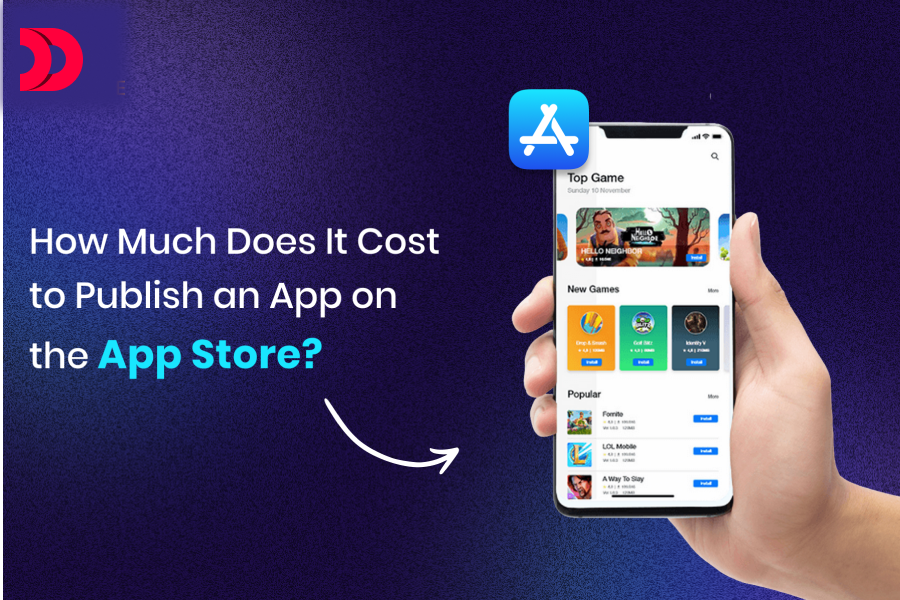
How Much Does It Cost to Publish an App on the App Store?

Launching an app on the Apple App Store is an exciting milestone for any developer or business. However, before you can make your app available to millions of iOS users worldwide, you need to understand the costs involved. From Apple’s developer fees to potential additional expenses, here’s a comprehensive breakdown of what it takes to publish an app on the App Store.

Apple Developer Program Fees

To submit an app to the App Store, you must enroll in the Apple Developer Program, which comes with an annual membership fee:

  • $99 per year for individuals and businesses.
  • $299 per year for the Apple Developer Enterprise Program (for internal app distribution within an organization).

This fee grants you access to Apple’s development tools, beta testing resources, analytics, and the ability to distribute apps on the App Store.

App Development Costs

While publishing an app requires the developer program membership, the actual cost of app development varies significantly based on complexity and features. Here are some estimated costs:

  • Basic app (minimal features, simple UI): $10,000 – $30,000
  • Moderate app (more features, custom UI, backend integration): $30,000 – $100,000
  • Complex app (AI integration, AR/VR, advanced functionalities): $100,000+

If you hire a development team or agency, these costs can increase depending on location, experience, and project requirements.

Additional Costs to Consider

1. App Store Commission Fees

  • Apple takes a commission on app revenue:
  • 15% – 30% of in-app purchases and subscriptions.

Developers earning less than $1 million annually qualify for Apple’s Small Business Program, reducing the commission to 15%.

2. App Updates & Maintenance

Once your app is live, you’ll need to keep it updated for bug fixes, security patches, and new iOS versions. Ongoing maintenance can cost anywhere from $5,000 – $50,000 per year, depending on the app’s complexity.

3. Marketing & ASO (App Store Optimization)

To make your app discoverable, you might need to invest in marketing strategies such as:

  • App Store Optimization (ASO) – $1,000 – $5,000 per month
  • Paid Advertising (Google Ads, Facebook Ads, etc.) – Budget varies
  • Influencer & Social Media Marketing – $500 – $10,000+ per campaign

4. Third-Party Services & Subscriptions

If your app requires integrations with third-party services like cloud storage, APIs, or analytics tools, you may incur recurring costs. Examples include:

  • AWS or Firebase cloud services – $25 – $5,000 per month
  • Payment gateway fees (Stripe, PayPal, etc.) – Varies based on transactions
  • Push notifications, analytics, or chat services – $10 – $500 per month

Conclusion

The cost to publish an app on the App Store starts with Apple’s $99 annual developer fee, but the total investment can range from a few thousand to hundreds of thousands of dollars, depending on development, marketing, and maintenance expenses.

If you’re planning to launch an app, it’s essential to budget not just for the initial development but also for long-term updates and promotions to ensure its success.

Need help with app development? Contact us today to bring your app idea to life!

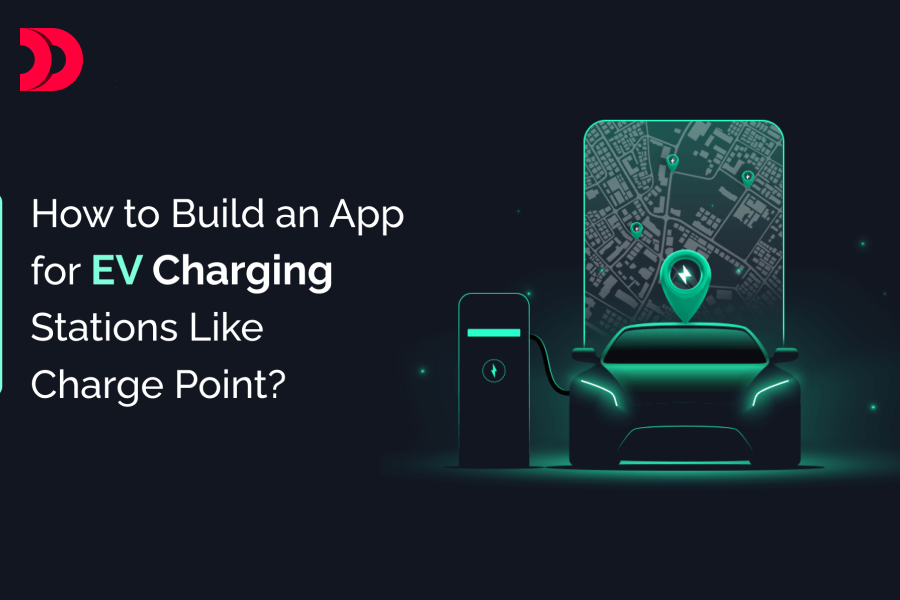
How to Build an App for EV Charging Stations Like ChargePoint?

As electric vehicles (EVs) gain popularity, the demand for reliable and efficient EV charging apps is rising. Apps like ChargePoint help users locate, book, and pay for charging stations seamlessly. If you’re looking to build an EV charging app, this guide will walk you through the key steps, costs, and benefits of development.

Steps to Build an App for EV Charging Stations

Market Research and Planning

Before starting development, conduct thorough research on your target audience, competitors, and market trends. Understanding user needs will help shape your app’s features and functionality.

Define Key Features

Your EV charging app should include essential features such as:

User Registration & Profiles – Allow users to create accounts and save preferences.

Real-time Station Locator – Show nearby charging stations on a map.

Booking & Reservations – Let users book charging slots in advance.

Payment Integration – Support multiple payment methods.

Usage History & Reports – Provide users with data on their charging sessions.

Push Notifications – Alert users about station availability and updates.

Admin Panel – Manage stations, users, and payments efficiently.

Choose the Right Technology Stack

Selecting the right tech stack is crucial for a smooth and scalable app. Common choices include:

Frontend: React Native or Flutter for cross-platform development.

Backend: Node.js or Django for handling data and user requests.

Database: Firebase, PostgreSQL, or MongoDB for storing user and station data.

APIs: Google Maps API for location services and Stripe/PayPal for payments.

Develop a Prototype

Create a wireframe or prototype to visualize the app’s layout and user experience. This helps in refining the design and making necessary changes before full-scale development.

App Development & Testing

Develop the app in phases, starting with a Minimum Viable Product (MVP). Conduct rigorous testing to ensure smooth performance, security, and user-friendliness.

Launch & Maintenance

Once the app is ready, launch it on app stores and start marketing. Regular updates and maintenance are essential for security, bug fixes, and feature enhancements.

Cost of EV Charging App Development in the UK

The development cost of an EV charging app in the UK depends on various factors such as complexity, features, and development team location. Here’s an estimated cost breakdown:

Basic App (MVP): £20,000 – £40,000

Mid-Level App: £40,000 – £70,000

Advanced App with AI & IoT Features: £70,000 – £150,000

Additional costs may include cloud hosting, third-party API integrations, and maintenance expenses.

Benefits of EV Charging App Development

Convenience for EV Owners

An EV charging app makes it easy for users to find and book charging stations, reducing wait times and improving accessibility.

Business Growth for Charging Station Owners

Station operators can attract more customers, manage bookings efficiently, and increase revenue.

Promotes Sustainability

Encouraging EV adoption contributes to a cleaner environment and reduced carbon emissions.

Monetization Opportunities

The app can generate revenue through subscription plans, in-app advertisements, and commission from charging sessions.

Enhanced User Experience

Features like real-time tracking, seamless payments, and notifications improve user satisfaction and retention.

Conclusion

Building an EV charging app like ChargePoint requires careful planning, the right technology, and a user-centric approach. While development costs can vary, the benefits make it a worthwhile investment. Whether you’re a start-up or an established business, an EV charging app can help you tap into the growing EV market while promoting sustainability.

Need expert assistance in building your EV charging app? Get in touch with a professional app development team today!

Grocery Delivery App: Develop a Seamless Shopping Experience

The way people shop for groceries has changed drastically in recent years. With busy schedules and the rise of digital convenience, grocery delivery apps have become a necessity for modern consumers. Whether you’re a supermarket, a local grocery store, or a startup, investing in grocery delivery app development can significantly boost your business.

At Devstree UK, we specialize in building custom grocery delivery apps tailored to meet your business needs. In this blog, we’ll explore why grocery apps are essential, the key features they should have, and how our development services can help you succeed.

Why Do You Need a Grocery Delivery App?

Grocery shopping has evolved from traditional brick-and-mortar stores to mobile-first digital platforms. Businesses that embrace this shift benefit in multiple ways:

Increased Customer Convenience- Shoppers can order groceries anytime, anywhere.

Higher Sales & Revenue- A broader audience means more orders and higher profits.

Improved Inventory Management- Digital platforms make it easier to track stock levels.

Secure & Hassle-Free Payments – Multiple payment gateways enhance customer experience.

Real-Time Order Tracking – Customers get live updates on their grocery orders.

With an intuitive, feature-rich grocery delivery app, you can offer a smooth shopping experience while improving your business operations.

Key Features of a Grocery Delivery App

A successful grocery delivery app consists of multiple components catering to customers, vendors, delivery partners, and admin users. Here are the essential features:

1. Customer Panel – Smooth & Easy Shopping Experience

User Registration & Profile Management – Simple sign-up via email, phone, or social media.
Smart Search & Filters – Find products effortlessly using AI-powered search.
Order Placement & Tracking – Customers can check the status of their orders in real time.
Multiple Payment Options – Secure payments via cards, wallets, and UPI.
Reviews & Ratings – Users can provide feedback on products and services.

2. Vendor Panel – Efficient Store & Order Management

Product & Inventory Management – Add, update, or remove grocery items with ease.
Order Processing – Quick order acceptance and preparation.
Sales Analytics & Reports – Track business performance and user preferences.
Promotions & Discounts – Manage coupons and loyalty programs.

3. Delivery Partner Panel – Fast & Reliable Delivery System

Delivery Requests & Route Optimization – Assign orders based on location for faster delivery.
Real-Time Notifications – Alerts for new orders and delivery updates.
Earnings Dashboard – Track completed orders and payments.

4. Admin Dashboard – Business Control & Insights

User & Vendor Management – Oversee all app users and vendors.
Advanced Analytics & Reports – Gain insights into customer behavior and sales trends.
Pricing & Commission Management – Set product pricing, delivery charges, and commissions.
Customer Support System – Respond to queries and complaints efficiently.

Types of Grocery Delivery Apps We Develop

At Devstree UK, we offer custom grocery delivery app development solutions for different business models:

  • Single Store Grocery Apps – Ideal for independent grocery stores.
  • Multi-Vendor Grocery Apps – Marketplace-style apps connecting multiple sellers.
  • Supermarket Apps – Large-scale solutions for grocery chains and supermarkets.
  • Subscription-Based Grocery Apps – Allowing customers to schedule recurring grocery orders.

Tech Stack for Grocery Delivery App Development

We use the latest technologies to ensure high performance, security, and scalability in your grocery delivery app:

  • Front-End Development: React Native, Flutter, Swift, Kotlin
  • Back-End Development: Node.js, Laravel, Python
  • Database Management: MongoDB, MySQL, Firebase
  • Payment Gateways: Stripe, PayPal, Razorpay, Apple Pay
  • Cloud Hosting: AWS, Google Cloud, Azure

Why Choose Devstree UK for Grocery Delivery App Development?

Experienced Development Team – Skilled professionals in mobile app development.
Custom & Scalable Solutions – Tailored to fit your business needs.
User-Friendly UI/UX – Intuitive designs for a seamless experience.
Secure & Reliable – Ensuring data security and fraud protection.
End-to-End Development Support – From ideation to deployment and maintenance.

Future of Grocery Delivery Apps

The online grocery delivery market is booming, with new trends emerging:

  • AI-powered recommendations for personalized shopping.
  • Voice-enabled shopping assistants for hands-free ordering.
  • Drone & autonomous vehicle deliveries for faster order fulfillment.
  • Sustainability-driven apps promoting eco-friendly grocery options.

Get Your Grocery Delivery App Built Today!

The demand for grocery delivery apps is at an all-time high. If you’re looking to build a high-quality, feature-packed grocery app, Devstree UK is here to help.

Let’s bring your grocery business online! Contact us today to discuss your project.

Why Businesses Love Web AR – Easy, Fast, and No App Needed!

Businesses are always looking for new ways to engage customers and improve their online experience. WebAR (Web-Based Augmented Reality) is changing the game by allowing users to experience AR directly in their web browser—no app downloads needed. This makes it a simple, fast, and highly accessible tool that businesses of all sizes can use to attract and interact with customers.

Let’s dive into why businesses love WebAR and how it is revolutionizing customer engagement.

1. No App Download Required

One of the biggest advantages of WebAR is that it eliminates the need for app downloads. Traditional AR experiences often require users to install a dedicated app, which can be a barrier to engagement. With WebAR, customers can instantly access immersive AR experiences with just a click on a web link or by scanning a QR code. This seamless accessibility increases user engagement and improves conversion rates.

2. Fast and Easy Implementation

Businesses can integrate WebAR into their websites quickly without the need for extensive development. Many WebAR platforms offer ready-to-use templates and tools that allow companies to create immersive experiences without coding expertise. Whether it’s interactive 3D product showcases, virtual try-ons, or engaging marketing campaigns, WebAR simplifies the process and reduces time to market.

3. Cost-Effective Solution

Developing and maintaining a standalone AR app can be expensive. WebAR significantly reduces development costs, as it eliminates the need for app maintenance, updates, and compatibility testing across multiple devices. Businesses can invest in WebAR solutions that are more budget-friendly while still delivering high-quality AR experiences.

4. Compatible Across Devices

WebAR works on most smartphones, tablets, and even some desktops, regardless of the operating system. As long as a device has a camera and an internet connection, users can experience AR without worrying about app store restrictions. This broad compatibility ensures that businesses can reach a wider audience effortlessly.

5. Enhanced Customer Engagement

AR has the power to make interactions more engaging and memorable. WebAR allows businesses to create immersive brand experiences that keep customers interested. Whether it’s an interactive AR ad, a 3D product view, or a virtual event, WebAR helps businesses stand out from the competition and leave a lasting impression on their audience.

6. Boosts Sales and Conversions

By allowing customers to visualize products in their real-world environment, WebAR enhances confidence in purchasing decisions. For instance, furniture retailers can offer AR previews where customers can see how a sofa fits in their living room before buying. Similarly, fashion brands can provide virtual try-ons for accessories and clothing. This interactive experience reduces hesitation and increases sales conversions.

7. Seamless Integration with Marketing Strategies

WebAR can be easily integrated into social media, email marketing, websites, and digital ads. Brands can create AR-powered campaigns where users interact with products in a fun and immersive way, increasing engagement and social sharing. QR codes or direct links can be included in print materials, making offline-to-online interactions more effective.

8. Scalable and Future-Proof

As WebAR technology continues to evolve, its capabilities will only expand. Businesses investing in WebAR now are positioning themselves for the future of digital engagement. The scalability of WebAR ensures that companies can update and expand their AR experiences without major overhauls or redevelopment costs.

Conclusion

WebAR is transforming the way businesses connect with their audience by offering an easy, fast, and no-app-required solution for immersive experiences. Its accessibility, cost-effectiveness, and ability to enhance customer engagement make it a valuable tool for brands looking to stay ahead in the competitive market.

If you’re ready to leverage the power of WebAR for your business, now is the perfect time to explore its endless possibilities!

An Average Game App Development Cost Estimation for All Mobile Game Genres

Mobile games already account for over 50% of the market for games, and this trend is expected to continue. Therefore, developers need to have a good understanding of the Game app development cost associated with game development and mobile app marketing services. Estimating the game app development cost for all mobile game genres can be a challenging task. Taking into consideration all the factors involved, such as design complexity, development tools, audio and video assets, and marketing needs, the cost can range anywhere from a few thousand dollars to hundreds of thousands of dollars. Before that, we have to look at the different types of game apps, the typical mobile game development process, the cost, and so on. Let’s get started.

The Different Types of Game Apps: 

Card Gaming Apps:

Card gaming apps have seen a surge in popularity in recent years, largely due to the ease and convenience of being able to access them on mobile devices. These might be digitalized versions of traditional card games or brand-new card games with card mechanics.

Arcade Gaming Apps:

Arcade gaming apps have seen a huge increase as more and more people are turning to these games for quick entertainment. Millennials prefer arcade games like Hearthstone over other genres.

Adventure Gaming Apps:

Adventure gaming apps are becoming increasingly popular as they offer players an immersive experience and storyline that encourages exploration and discovery. With their vibrant graphics and innovative and engaging gameplay, these games are highly attractive to Millennials.

Betting Games:

With this large player base, the gaming industry has seen a surge in popularity due to the variety of games available and the convenience of online betting. Male players make up 81% of the total population, which is overwhelmingly male. Players are 37 years old on average.

Puzzle Gaming Apps: 

Players of all ages enjoy puzzle gaming apps, but Gen Z players have a particular affinity for them. This category contains everything from traditional crossword puzzles to more sophisticated brain teasers that incorporate mechanics from other genres.

Role-playing Gaming Apps: 

Role-playing gaming apps provide players with an opportunity to explore immersive, detailed game worlds, craft unique characters and engage in complex storylines that take hours or even days to complete.

The Mobile Game Development Process:

The following stages comprise the process of Developing a mobile game:

Market Research: This entails investigating the target audience, competing proposals, current trends, and stylistic innovations to determine the best solutions.

Documentation for Game Design: The document contains a general image of the game, its target audience, platform (Android or iOS), genre, monetization options, scale, style, and characters, among other things. The game designer of a mobile game app development agency executes it.

Technical specification: Game mechanics, code objects, a control loop, game physics, and game object data are all covered in this technical specification. The specification can be used to calculate the final cost of the work. The lead programmer or technical director of a Game app development company implements it.

Prototyping: The prototype is a rough sketch of the game that lacks details and art visuals, allowing you to understand the mechanics and appreciate the gameplay’s convenience.

Game creation: Developing all 2D/3D assets, characters, environments, and interface elements that will influence the visual perception of the future game.

Game Programming: This includes writing program code, configuring a server, database, and API, and implementing game graphics by embedding 2D or 3D content and VFX.

Sound Design: For maximum enjoyment, create music and work with interface sounds and other sound effects.  

Testing: This part includes detecting and correcting minor system malfunctions or incorrect operations. 

Publication: Placing the game on the appropriate Internet resources, such as the Google Play Store or the App Store. The user can now access the product.

An Estimated Game App Development Cost: 

Developing a game app can be a costly process. The cost of game app development is dependent on the type of game being developed, the platforms it will be used on, and the features that it will include. 

Development costs typically range between $8K and $25M. Additionally, marketing and advertising costs should be taken into account when planning a budget for game app development. It may vary for different Game app development company. 

Conclusion:

The cost of developing an app is dependent on the type of game being developed and the platforms it will be used on. If you are searching for a mobile game app development agency, then contact Devstree IT Solution. We are a well-known mobile app development company with a huge experience in game creation. Connect with us to have an estimate of Game App Development Costs.