Chat on WhatsApp

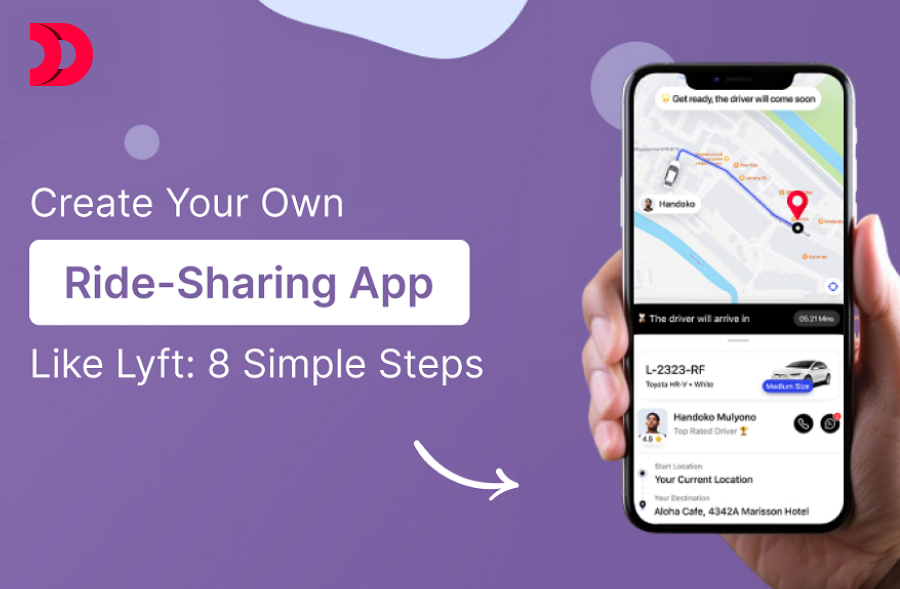
Create Your Own Ride-Sharing App Like Lyft: 8 Simple Steps

Ride-sharing apps like Lyft have transformed the way we travel, offering convenience, affordability, and efficiency. If you’ve ever dreamed of building your own ride-sharing platform, you’re in the right place! Creating an app like Lyft may seem daunting, but with the right approach, it’s achievable. In this guide, we’ll walk you through 8 simple steps to develop your own ride-sharing app, from ideation to launch, plus a bonus section on estimating costs.

Step 1: Define Your App’s Vision and Features

Before diving into development, clarify your app’s purpose and core features. Research competitors like Lyft to understand what works. Essential features for a ride-sharing app include:

  • User registration and profiles (for riders and drivers)
  • Real-time GPS tracking and route optimization
  • Ride booking and scheduling
  • Payment integration (credit cards, digital wallets)
  • Driver-rider matching algorithm
  • Ratings and reviews system Define your unique selling proposition (USP). For example, will your app focus on eco-friendly rides or lower fares? A clear vision sets the foundation for success.

Step 2: Conduct Market Research

Understand your target audience and market demand. Analyze user needs, such as preferred payment methods or ride types (e.g., shared rides, luxury cars). Study competitors to identify gaps you can fill. For instance, can you offer faster pickups or better driver incentives? Use surveys or online tools to gather insights and validate your idea.

Step 3: Choose the Right Tech Stack

Selecting the right technology is crucial for your app’s performance. Here’s a suggested tech stack for a Lyft-like app:

  • Frontend: React Native or Flutter for cross-platform mobile apps
  • Backend: Node.js or Django for scalability
  • Database: MongoDB or PostgreSQL for storing user and ride data
  • APIs: Google Maps API for geolocation and routing, Stripe for payments
  • Cloud: AWS or Firebase for hosting and real-time updates Choose tools based on your budget, team expertise, and app requirements.

Step 4: Design an Intuitive User Interface

A user-friendly design is key to keeping users engaged. Create wireframes and prototypes for both rider and driver apps. Focus on:

  • Simple navigation for booking rides
  • Clear visuals for maps and ride status
  • Accessible payment and profile sections Use tools like Figma or Adobe XD to design mockups. Test your designs with potential users to ensure they’re intuitive and visually appealing.

Step 5: Develop Core Features

Start building the app with a Minimum Viable Product (MVP) to test your idea quickly. Focus on core features like:

  • User Authentication: Secure login/signup for riders and drivers
  • Geolocation: Real-time tracking using Google Maps API
  • Ride Matching: Algorithm to pair riders with nearby drivers
  • Payment System: Integrate secure payment gateways like Stripe or PayPal Use agile development to iterate based on feedback. Break development into sprints to stay organized.

Step 6: Test Your App Thoroughly

Testing ensures your app is bug-free and user-ready. Conduct:

  • Functional Testing: Verify all features work as intended
  • Performance Testing: Check app speed and scalability under heavy usage
  • Security Testing: Protect user data with encryption and secure APIs Use tools like Selenium or Postman for automated testing. Beta test with a small group of users to gather real-world feedback.

Step 7: Launch and Market Your App

Once your app is polished, it’s time to launch! Submit your app to the App Store and Google Play. Create a marketing plan to attract users:

  • Use social media ads targeting local audiences
  • Partner with local businesses or influencers
  • Offer promotions like free first rides or driver bonuses Optimize your app store listing with keywords like “ride-sharing” and “taxi app” for better visibility.

Step 8: Monitor and Improve

After launch, track user feedback and app performance using analytics tools like Google Analytics or Firebase. Monitor metrics like user retention, ride completion rates, and app crashes. Regularly update your app with new features, bug fixes, and performance improvements to stay competitive.

How Much Does It Cost to Develop a Ride-Sharing App?

Building a ride-sharing app like Lyft is an investment, and understanding the costs involved is crucial for planning. Below is a detailed breakdown of the costs for developing an MVP with essential features like user registration, GPS tracking, ride booking, payment integration, and driver-rider matching.

Key Factors Affecting Development Costs

Several factors influence the cost:

  • App Complexity: A basic MVP costs less than a feature-heavy app with AI or multi-language support.
  • Team Location: Developer rates vary (e.g., North America is pricier than Asia or Eastern Europe).
  • Development Approach: Freelancers, agencies, or in-house teams have different costs.
  • Platform: Building for both iOS and Android is costlier than a single platform.
  • Third-Party Services: APIs like Google Maps or payment gateways have usage-based fees.

Cost Breakdown for an MVP

1. Development Team

Hiring skilled professionals is the biggest cost. A typical team includes frontend and backend developers, UI/UX designers, and a project manager.

  • Freelancers: $20–$100/hour, totaling $10,000–$30,000 for an MVP.
  • Development Agency: $30,000–$80,000 for end-to-end services.
  • In-House Team: $50,000–$100,000 for a 3–6 month project. 

2. UI/UX Design

A user-friendly interface is crucial. Design costs include wireframes, prototypes, and visuals.

  • Cost: $2,000–$10,000, depending on complexity.
  • Factors: Simple designs cost less; custom animations increase expenses.

3. Third-Party APIs and Services

APIs power core functionality:

  • Google Maps API: ~$0.005 per request, $500–$2,000/month for moderate usage.
  • Payment Gateways: Stripe/PayPal charge ~2.9% + $0.30 per transaction.
  • Push Notifications: Firebase free tier or $50–$200/month for premium.

4. Backend and Cloud Hosting

A scalable backend ensures smooth performance.

  • Backend Development: $5,000–$20,000 for an MVP.
  • Cloud Hosting: AWS/Firebase costs $100–$500/month.

5. Testing and Quality Assurance

Testing ensures a bug-free, secure app.

  • Cost: $2,000–$5,000 for functional, performance, and security testing.
  • Tools: Selenium or Postman streamline testing.

6. Maintenance and Updates

Post-launch, budget for bug fixes and updates.

  • Cost: $1,000–$5,000/month, depending on usage.

App Development Cost Breakdown

For a basic Lyft-like MVP:

  • Low-End Estimate: $20,000–$40,000 (freelancers, basic design, single platform)
  • Mid-Range Estimate: $40,000–$80,000 (agency, cross-platform, moderate features)
  • High-End Estimate: $80,000–$150,000 (advanced features, in-house team, premium design) Starting with an MVP and a single platform saves money while testing your idea.

Smart Ways to Save Costs

  • Start with an MVP: Focus on core features and add advanced ones later.
  • Use Cross-Platform Frameworks: React Native or Flutter reduces development time.
  • Outsource Wisely: Partner with Devstree IT Solution for cost-effective solutions.
  • Leverage Free Tools: Use Firebase free tiers or open-source libraries.

Conclusion

Building a ride-sharing app like Lyft is an exciting journey that combines creativity, technology, and business strategy. By following these 8 steps and understanding the costs involved, you can create a functional, user-friendly app that stands out in the market. Need help bringing your vision to life? Contact Devstree IT Solution, a trusted partner for innovative app development solutions, to turn your ride-sharing app idea into reality!

Ready to start building? Share your thoughts or questions in the comments below!

How to Build a Software Development Roadmap That Boosts Efficiency and Success

In the fast-paced world of software development, a well-crafted roadmap is your blueprint for success. It aligns teams, clarifies goals, and ensures that every step moves you closer to delivering a high-quality product on time. A software development roadmap not only provides direction but also boosts efficiency by minimizing wasted effort and keeping everyone on the same page. In this blog post, we’ll guide you through the process of creating a roadmap that drives efficiency and sets your project up for success.

What Is a Software Development Roadmap?

A software development roadmap is a strategic plan that outlines the vision, goals, and timeline for a software project. It serves as a communication tool between stakeholders, developers, and other team members, detailing key milestones, deliverables, and dependencies. Unlike a rigid schedule, a good roadmap is flexible, allowing teams to adapt to changes while staying focused on the end goal.

Why Is a Roadmap Essential for Efficiency and Success?

A roadmap brings clarity and structure to complex projects. Here’s why it’s critical:

  • Aligns Teams and Stakeholders: Ensures everyone understands the project’s objectives and priorities.
  • Improves Resource Allocation: Helps allocate time, budget, and talent effectively.
  • Reduces Scope Creep: Keeps the project focused by defining clear boundaries.
  • Enhances Transparency: Provides visibility into progress, fostering trust and accountability.
  • Mitigates Risks: Identifies potential challenges early, allowing proactive solutions.

Now, let’s dive into the steps to build an effective software development roadmap.

Step 1: Define the Project Vision and Objectives

Start by answering the “why” behind your project. What problem does the software solve? Who is it for? Clear objectives set the foundation for your roadmap. For example, if you’re building a mobile app, your vision might be to “create a user-friendly platform that streamlines online shopping for small businesses.”

  • Actionable Tip: Use the SMART framework (Specific, Measurable, Achievable, Relevant, Time-bound) to define objectives. For instance, “Launch a beta version of the app with core features by Q2 2025.”

Step 2: Identify Key Stakeholders and Gather Input

Engage all relevant stakeholders—product managers, developers, designers, and end-users—to gather insights. Their input ensures the roadmap reflects diverse perspectives and realistic expectations.

  • Actionable Tip: Conduct workshops or interviews to collect requirements. Document user stories to capture what features are needed and why.

Step 3: Break Down the Project into Phases and Milestones

Divide the project into manageable phases, such as ideation, design, development, testing, and deployment. Assign milestones to each phase to track progress. For example, completing the UI/UX design could be a milestone in the design phase.

  • Actionable Tip: Use a visual tool like Gantt charts or Kanban boards to map out phases and milestones. Tools like Jira, Trello, or Monday.com can help.

Step 4: Prioritize Features and Tasks

Not all features are equal. Use a prioritization framework like MoSCoW (Must-have, Should-have, Could-have, Won’t-have) to decide what’s critical for the initial release versus future iterations. This keeps the team focused on high-impact tasks.

  • Actionable Tip: Work with stakeholders to rank features based on user needs, business value, and technical feasibility. For example, prioritize a secure login system over a nice-to-have theme customization feature.

Step 5: Estimate Timelines and Resources

Assign realistic timelines to each phase and milestone, factoring in team capacity and potential roadblocks. Consider dependencies—tasks that must be completed before others can begin. For instance, API development might need to finish before front-end integration.

  • Actionable Tip: Use historical data from past projects to inform estimates. Add buffer time (e.g., 10-20%) for unexpected delays.

Step 6: Build Flexibility into the Roadmap

Software development is unpredictable—new requirements, bugs, or market shifts can arise. A rigid roadmap can derail progress, so build in flexibility to accommodate changes without losing sight of the goal.

  • Actionable Tip: Schedule regular review points (e.g., biweekly or monthly) to assess progress and adjust the roadmap as needed.

Step 7: Communicate and Share the Roadmap

A roadmap is only effective if everyone understands it. Share it with all team members and stakeholders, using visuals to make it easy to grasp. Ensure it’s accessible, whether through project management tools or shared documents.

  • Actionable Tip: Create a one-page summary of the roadmap for quick reference. Highlight key dates, deliverables, and responsibilities.

Step 8: Monitor Progress and Iterate

Track progress against milestones and adjust the roadmap as the project evolves. Regular check-ins help identify bottlenecks early and keep the team aligned.

  • Actionable Tip: Use agile methodologies like Scrum to manage sprints and ensure continuous feedback loops. Hold retrospectives to learn from each phase and improve the process.

Tools to Build and Manage Your Roadmap

To streamline roadmap creation and management, consider these tools:

  • Jira: Ideal for agile teams, with robust features for tracking tasks and sprints.
  • Trello: Great for visual, Kanban-style roadmaps.
  • Roadmunk: A dedicated roadmapping tool with customizable templates.
  • Asana: Excellent for task management and timeline visualization.

Best Tips for a Successful Roadmap

Keep It Simple: Focus on clarity and avoid overloading with details.

Communicate Clearly: Share the roadmap with all stakeholders to align expectations.

Prioritize Features: Use frameworks like MoSCoW (Must-have, Should-have, Could-have, Won’t-have) to prioritize tasks.

Plan for Risks: Account for potential delays, like technical issues or resource shortages.

Use Visuals: Tools like Roadmunk or Lucidchart make roadmaps more engaging.

Common Pitfalls to Avoid

Overloading the Roadmap: Don’t cram too many features into one release. Focus on delivering value incrementally.

Ignoring Feedback: Continuously seek input from users and team members to refine the roadmap.

Lack of Clarity: Ensure goals and timelines are specific to avoid confusion.

Neglecting Dependencies: Map out task dependencies to prevent delays.

Conclusion

A well-crafted software development roadmap is a powerful tool for boosting efficiency and ensuring project success. By defining clear objectives, prioritizing tasks, and maintaining flexibility, you can guide your team through complex projects with confidence. Start building your roadmap today, and watch your software development process become more streamlined and effective.

Ready to create your roadmap? Gather your team, pick the right tools, and set your project on the path to success!

How to Build a Premium Taxi App like Wheely in UK

Building a premium taxi app like Wheely, which offers luxury transportation services in the UK, requires a blend of cutting-edge technology, a customer-centric approach, and compliance with local regulations. This blog outlines the key steps to create a high-end taxi app that rivals Wheely’s seamless experience.

Understand the Market and Define Your USP

The UK’s taxi market is competitive, with players like Uber, Bolt, and premium services like Wheely. To stand out, identify your unique selling proposition (USP). Wheely focuses on luxury vehicles, professional chauffeurs, and personalized service. Your app could emphasize eco-friendly vehicles, exclusive memberships, or tailored corporate solutions.

  • Research competitors to identify gaps in the market.
  • Survey potential customers to understand their preferences.
  • Define a niche, such as premium airport transfers or event transportation.

Plan Core Features

A premium taxi app must offer a polished user experience. Key features include:

  • User App: Intuitive booking interface, real-time tracking, fare estimates, and secure payment options.
  • Driver App: Route optimization, earnings dashboard, and customer details.
  • Admin Panel: Fleet management, driver verification, and analytics.
  • Premium Touches: Options to select vehicle types (e.g., Mercedes S-Class), pre-booking for special occasions, and in-app customer support.

Choose the Right Technology Stack

The technology stack ensures scalability and performance. Consider the following:

  • Frontend: React Native or Flutter for cross-platform mobile apps.
  • Backend: Node.js or Django for robust APIs and server-side logic.
  • Database: PostgreSQL or MongoDB for handling user and transaction data.
  • Maps and Navigation: Google Maps API or Mapbox for geolocation and routing.
  • Payments: Stripe or PayPal for secure transactions.

Integrate cloud services like AWS or Google Cloud for scalability and real-time data processing.

Design a Premium User Experience

Wheely’s success lies in its elegant design and seamless UX. Focus on:

  • Minimalist, high-end UI with dark themes and clean typography.
  • Fast load times and smooth animations.
  • Accessibility features to cater to all users.

Hire a UX/UI designer to create wireframes and prototypes before development.

Ensure Regulatory Compliance

The UK has strict regulations for private hire vehicles (PHVs). Key compliance steps include:

  • Implement safety features like SOS buttons and ride-sharing options.
  • Comply with GDPR for user data protection.
  • Ensure drivers have valid PHV licences and undergo background checks.
  • Obtain a Private Hire Operator Licence from Transport for London (TfL) or local authorities.

Develop and Test the App

Adopt an agile development approach to build the app iteratively. Key steps:

  • Perform beta testing with a small user group to gather feedback.
  • Conduct rigorous testing for functionality, security, and performance.
  • Develop the MVP (Minimum Viable Product) with core features.

Recruit and Train Drivers

A premium service requires professional drivers. To replicate Wheely’s quality:

  • Offer competitive pay and incentives to retain top talent.
  • Provide training on etiquette, vehicle maintenance, and app usage.
  • Recruit drivers with excellent driving records and customer service skills.

Launch and Market Your App

A successful launch requires a solid marketing strategy:

  • Pre-Launch: Build buzz with teaser campaigns on social media (e.g., Instagram, LinkedIn).
  • Launch: Offer introductory discounts or referral bonuses.
  • Post-Launch: Partner with luxury brands, hotels, or event organizers to attract high-end clients.

Use targeted ads in affluent UK areas like London, Manchester, or Edinburgh.

Monitor and Iterate

Post-launch, collect user feedback to refine the app. Use analytics to track metrics like ride completion rates, customer retention, and driver performance. Regularly update the app with new features, such as loyalty programs or in-ride entertainment options.

Conclusion

Building a premium taxi app like Wheely in the UK demands meticulous planning, a focus on luxury, and adherence to regulations. By prioritizing user experience, leveraging the right technology, and delivering exceptional service, you can carve out a niche in the competitive UK market. Start small, iterate often, and aim to exceed customer expectations. 

Ready to Build Your App? Contact Us!

Read more- How to Build an On-Demand Dermatology Consultation App


Build Your Own Software: A Complete Roadmap for Beginners

Ever dreamed of creating your own app, website, or game? Maybe you’ve got an idea for a tool that could make your life easier or a fun project to share with friends. Building software might sound like something only tech wizards can do, but the truth is, anyone can learn how to do it—even you! This guide is your friendly roadmap to turning your ideas into real, working software, no matter your experience level. Let’s dive in!

Step 1: Figure Out What You Want to Build

Before you touch a keyboard, take a moment to think about your project. What do you want your software to do? Maybe you want a simple app to track your daily chores or a website to showcase your photography. For example, Sarah, a college student, decided to build a study planner app to organize her assignments. Start by jotting down the main features your software needs, like a login page or a task list. Keep it simple at first—focus on the core idea.

Step 2: Pick Up Some Coding Basics

Coding is the language of software, and you don’t need to be fluent right away. Start with a beginner-friendly language like Python, which is like the English of programming—clear and versatile. If you’re into websites, JavaScript is your go-to. Imagine you’re learning to cook: you don’t need to master every recipe, just the basics like chopping and stirring. Websites like Codecademy or freeCodeCamp offer free lessons where you can practice things like making a button or storing a name. Aim to understand simple concepts like loops and variables, which are like the building blocks of your software.

Read MoreIT Consulting Services: What Every Small Business Should Know

Step 3: Choose the Right Tools

Think of coding tools as your kitchen appliances—they make the job easier. For a website, you’ll need HTML (for structure), CSS (for style), and JavaScript (for interactivity). Want to build a mobile app? Flutter lets you create apps for both iPhone and Android. For games, Unity is a popular choice. Download Visual Studio Code, a free app that’s like a notepad for coding. Also, try GitHub—it’s like Google Docs for saving and sharing your code. Sarah used Python and a tool called Tkinter to build her study planner’s interface, which kept things simple.

Step 4: Build Something Small First

Don’t try to build the next Instagram on day one. Start with a “minimum viable product” (MVP)—a basic version of your idea. For Sarah’s study planner, her MVP let her add tasks and mark them as done. Break your project into tiny pieces, like adding a button or saving a user’s input. If you hit a roadblock, check out Stack Overflow or YouTube tutorials. It’s like assembling a puzzle: one piece at a time, and the picture starts to form.

Step 5: Test It Out

Once you’ve got a working version, play around with it. Click every button, try every feature, and see what breaks. Ask a friend to test it too—they’ll spot things you missed. For example, Sarah’s friend noticed the app crashed if a task name was too long, so she fixed it. Testing is like trying a new recipe: you taste it, tweak the spices, and make it better. If you’re building a website, tools like BrowserStack can check how it looks on different devices.

Step 6: Share Your Creation

Time to show the world! For a website, platforms like Netlify or Vercel make it easy to put your project online. Mobile apps can go on the App Store or Google Play, though it takes a bit more setup. Share your project on social media or a site like Product Hunt to get feedback. When Sarah launched her study planner, she shared it with her classmates, and their suggestions helped her add a calendar feature. Launching is exciting—it’s like hosting a dinner party and seeing everyone enjoy your dish.

Step 7: Keep Learning and Improving

Your first project won’t be perfect, and that’s okay! Use feedback to add new features, like notifications or a prettier design. Keep learning—maybe dive into databases or animations next. Join online groups like DEV Community to connect with other beginners. Software development is like gardening: you plant a seed, water it, and watch it grow over time.

A Few Tips to Stay on Track

  • Start small: A simple project builds confidence.
  • Don’t give up: Coding can be tricky, but every mistake teaches you something.
  • Have fun: Pick a project you’re excited about to stay motivated.

Building software is like crafting a story you start with an idea, shape it bit by bit, and share it with the world. It’s not always easy, but it’s incredibly rewarding. Whether you’re making a game, an app, or a website, this roadmap gives you a clear path to follow. So, grab your laptop, pick a small project, and start coding today. Your first software is waiting to be built—what will it be?

Ready to build something amazing? Get in touch with Devstree IT Solutions today!

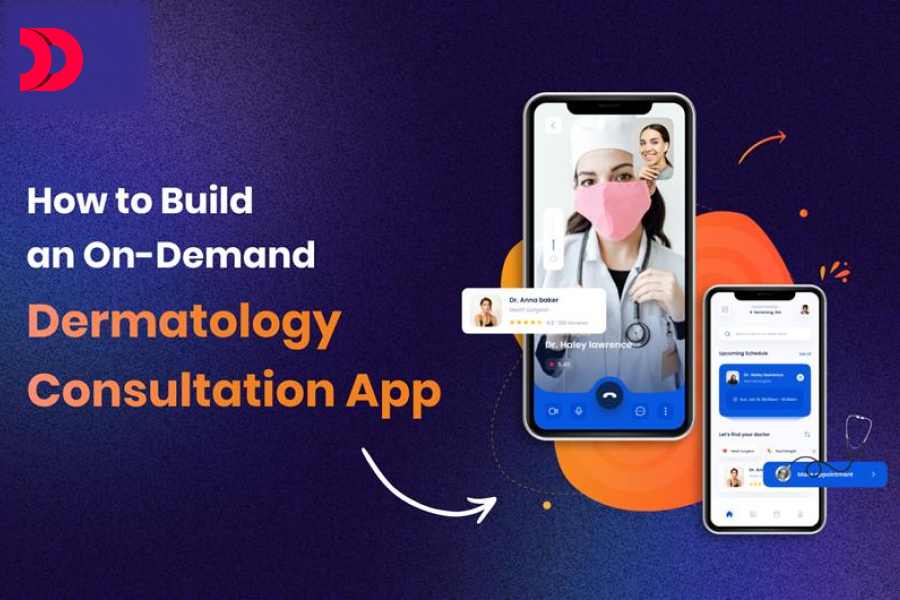
How to Build an On-Demand Dermatology Consultation App

The rise of telehealth has transformed healthcare delivery, and dermatology is no exception. An on-demand dermatology consultation app connects patients with dermatologists via video calls, chat, or image uploads, offering convenience and accessibility. This blog outlines the key steps to create a mobile app for dermatology consultations, covering planning, technology stack, features, and compliance considerations. Partnering with a healthcare app development company can streamline the process, providing expertise in on-demand app development solutions.

Step 1: Define the App’s Scope and Features

Start by identifying the core functionalities of your app. Key features for an on-demand dermatology consultation app include:

User Registration and Profiles: Separate interfaces for patients and dermatologists, with secure login and profile management.

Appointment Scheduling: Allow patients to book real-time or scheduled consultations.

Video and Chat Consultations: Enable secure, high-quality video calls and real-time chat.

Image Upload and Analysis: Patients can upload skin condition images for dermatologist review.

Prescription Management: Dermatologists can issue e-prescriptions, integrated with pharmacies.

Payment Gateway: Secure payment processing for consultations.

Reviews and Ratings: Patients can rate dermatologists to build trust.

Notifications: Reminders for appointments and follow-ups via push notifications or email.

Step 2: Choose the Right Technology Stack

Selecting an appropriate tech stack ensures scalability, security, and performance. Here’s a recommended stack for on-demand app development solutions:

Frontend: React Native or Flutter for cross-platform mobile apps, ensuring a consistent user experience on iOS and Android.

Backend: Node.js with Express or Django for robust API development.

Database: PostgreSQL or MongoDB for storing user data, appointments, and medical records.

Real-Time Communication: WebRTC for video and chat, with libraries like Agora or Twilio for streamlined integration.

Cloud Hosting: AWS or Google Cloud for scalability and secure storage of sensitive data.

Image Processing: Integrate AI tools like TensorFlow or AWS Rekognition for preliminary skin condition analysis (optional).

Payment Integration: Stripe or PayPal for secure transactions.


Read MoreHow Much Does It Estimate to Cost to Build an MVP App in UK?

Step 3: Design the User Interface

A clean, intuitive UI is critical for user adoption when you create a mobile app. Use tools like Figma to design:

Patient Dashboard: Display upcoming appointments, consultation history, and image upload options.

Dermatologist Portal: Show patient queues, consultation schedules, and image review tools.

Mobile Responsiveness: Ensure the app is optimized for various screen sizes.

Focus on accessibility, such as high-contrast text and voice navigation for visually impaired users.

Step 4: Ensure Compliance with Healthcare Regulations

Healthcare apps must comply with strict regulations to protect patient data. A healthcare app development company can guide you through:

HIPAA (USA): Encrypt patient data in transit and at rest, and use secure authentication.

GDPR (EU): Obtain explicit user consent for data processing and provide data deletion options.

Medical Licensing: Verify dermatologists’ credentials and ensure they are licensed to practice in the patient’s region.

Use AWS HIPAA-compliant services or Google Cloud’s healthcare API to simplify compliance.

Step 5: Implement Security Measures

Security is paramount in healthcare apps. Implement:

End-to-End Encryption: For video calls, chats, and image uploads.

Secure Authentication: Use OAuth 2.0 or JWT for user authentication.

Data Anonymization: De-identify patient data for analytics.

Regular Audits: Conduct penetration testing and vulnerability assessments.

Step 6: Develop and Test the App

To create a mobile app, follow an agile development process and consider hiring skilled developers:

Prototyping: Build a minimum viable product (MVP) with core features like scheduling and video calls.

Development Team: Hire mobile app developers with experience in healthcare apps to ensure quality and compliance.

Testing: Perform unit, integration, and user acceptance testing. Test video call stability under varying network conditions.

Beta Testing: Launch a beta version to a small group of users for feedback.

Step 7: Launch and Market the App

After development, deploy the app to the App Store and Google Play. Promote it through:

SEO and Content Marketing: Publish blogs on skin care and telehealth benefits, optimized for keywords like “healthcare app development company” and “on-demand app development solutions.”

Social Media: Share success stories and patient testimonials.

Partnerships: Collaborate with dermatology clinics or skincare brands.

Step 8: Monitor and Update

Post-launch, monitor app performance using tools like Firebase Analytics. Regularly update the app to:

  • Add new features, such as AI-driven skin analysis.
  • Fix bugs and improve performance.
  • Stay compliant with evolving regulations.

Conclusion

Building an on-demand dermatology consultation app requires careful planning, a robust tech stack, and strict adherence to healthcare regulations. By partnering with a healthcare app development company and leveraging on-demand app development solutions, you can create a mobile app that bridges the gap between patients and dermatologists. Hire Mobile App Developers with expertise in telehealth to ensure a seamless user experience and compliance. Start with an MVP, iterate based on user feedback, and use modern technologies to deliver a valuable telehealth solution.

Ready to start? Begin by sketching your app’s features and contacting a trusted development team today!

IT Consulting Services: What Every Small Business Should Know

In 2025, small businesses face a rapidly evolving digital landscape, where staying competitive requires leveraging technology effectively. IT consulting services have become a game-changer, offering tailored solutions to help small businesses thrive. From streamlining operations to enhancing customer experiences, partnering with a web development company or engaging in custom software development and mobile app development consulting services can unlock significant growth opportunities. Here’s a look at the key benefits every small business should know.

Access to Expertise and Specialized Skills

Small businesses often lack the resources to maintain an in-house IT team with diverse expertise. IT consulting services bridge this gap by providing access to professionals skilled in areas like custom software development and mobile app development consulting services. These experts bring industry-specific knowledge, ensuring your business adopts the right technologies to meet its unique needs.

Cost Efficiency and Scalability

Hiring full-time IT staff or investing in expensive infrastructure can strain a small business’s budget. IT consulting offers a cost-effective alternative, allowing you to pay for services as needed. Whether you need a web development company to build a professional website or consultants to develop a scalable mobile app, you can tailor solutions to your budget and scale them as your business grows.

Enhanced Productivity Through Custom Solutions

Off-the-shelf software often fails to address the specific challenges of a small business. Custom software development through IT consulting creates tailored solutions that streamline workflows, automate repetitive tasks, and improve overall efficiency. For example, a custom CRM system can help manage customer relationships more effectively, saving time and boosting productivity.

Improved Customer Engagement with Mobile Apps

In 2025, mobile apps are a critical touchpoint for customer engagement. Mobile app development consulting services help small businesses create user-friendly apps that enhance the customer experience. Whether it’s a loyalty program app or an e-commerce platform, a well-designed app can drive customer retention and increase sales.

Strengthened Online Presence with Web Development

A professional website is the cornerstone of a small business’s digital presence. Partnering with a web development company ensures your website is optimized for performance, SEO, and user experience. IT consultants can also integrate advanced features like e-commerce capabilities or chatbots, helping you stand out in a crowded market.

Robust Cybersecurity Measures

Cybersecurity threats are a growing concern for small businesses in 2025. IT consulting services include risk assessments, data encryption, and secure software development practices to protect your business from breaches. Consultants can also train your team on best practices, ensuring your business stays safe in a digital world.

Staying Ahead of Technology Trends

The tech landscape is constantly changing, with trends like AI, cloud computing, and IoT shaping the future. IT consultants keep your business ahead of the curve by recommending and implementing cutting-edge solutions. For instance, custom software development can incorporate AI-driven analytics to provide actionable insights, giving you a competitive edge.

Why Act Now?

In 2025, small businesses that embrace IT consulting services will be better positioned to adapt, innovate, and grow. Whether you’re looking to launch a mobile app, revamp your website, or streamline operations with custom software, partnering with the right consultants can transform your business. Don’t wait invest in IT consulting today to unlock your business’s full potential.

Why Every Business Needs App Maintenance and Support

In today’s digital age, mobile applications have become a cornerstone for businesses aiming to engage customers, streamline operations, and stay competitive. However, launching an app is just the beginning. To ensure long-term success, businesses must invest in ongoing maintenance and support. This blog explores why every business needs to prioritize app maintenance and how hiring application maintenance services can make a difference.

The Importance of App Maintenance

Once an app is live, it operates in a dynamic environment where operating systems, user expectations, and technologies constantly evolve. Without regular updates, an app can quickly become outdated, leading to performance issues, security vulnerabilities, and poor user experiences. By choosing to hire a professional app maintenance company, businesses can ensure their apps remain functional, secure, and aligned with the latest industry standards.

App maintenance involves tasks such as bug fixes, performance optimization, security updates, and compatibility checks with new OS versions. These efforts help maintain user satisfaction and prevent negative reviews that could harm your brand’s reputation.

Benefits of Hiring Professional Maintenance Services

While some businesses may attempt to handle app maintenance in-house, partnering with experts offers significant advantages. When you hire application maintenance services, you gain access to a team of skilled professionals who specialize in keeping apps running smoothly. These experts have the tools and experience to identify potential issues before they escalate, saving time and resources. A professional app maintenance company also provides proactive support, such as monitoring app performance, implementing updates, and ensuring compliance with data privacy regulations. This allows businesses to focus on their core operations while leaving technical complexities to the experts.

Enhancing User Experience Through Maintenance

User experience is a critical factor in an app’s success. Regular maintenance ensures that your app remains fast, intuitive, and free of glitches. For businesses that have invested in mobile app development services, maintenance is the key to protecting that investment. By addressing user feedback and incorporating new features, maintenance services help keep your app relevant and engaging.

Moreover, a well-maintained app can improve customer retention and loyalty. Users are more likely to continue using an app that performs reliably and offers a seamless experience, which directly impacts your business’s bottom line.

Staying Ahead of the Competition

In a crowded marketplace, businesses must differentiate themselves to stay ahead. A poorly maintained app can lead to lost customers and missed opportunities. By partnering with a professional app maintenance company, you can ensure your app remains competitive by integrating the latest technologies, such as AI, AR, or improved UI/UX trends.

Additionally, maintenance services help your app adapt to changing market demands. Whether it’s adding new payment gateways or optimizing for new devices, ongoing support keeps your app aligned with customer needs and industry trends.

Conclusion

App maintenance and support are not optional—they are essential for any business that relies on a mobile application. By choosing to hire application maintenance services, you can protect your app from technical issues, enhance user satisfaction, and maintain a competitive edge. Partnering with a professional app maintenance company ensures your app remains a valuable asset, delivering consistent value to your users and your business.

If your business has leveraged mobile app development services to create an app, don’t let it fall behind due to lack of maintenance. Invest in professional support today to secure your app’s future.

Step-by-Step Guide to Creating a Shopify Store from Scratch

Starting an online store has never been easier, thanks to platforms like Shopify. Shopify is a user-friendly e-commerce platform that allows anyone to create a professional online store without coding skills. In this step-by-step guide, we’ll walk you through the process of setting up a Shopify store from scratch, from signing up to launching your store. For advanced customization, you may consider hiring a Shopify developer or partnering with a Shopify development company to enhance your store’s functionality.

Step 1: Sign Up for a Shopify Account

Begin by creating a Shopify account. Visit Shopify’s website and click the “Start free trial” button. You’ll need to provide:

  1. Your email address.
  2. A password.
  3. A unique store name (this will also be part of your default store URL, e.g., yourstore.myshopify.com).

Shopify offers a free trial, so you can explore the platform before committing to a paid plan.

Step 2: Set Up Your Store Basics

Once you’ve signed up, Shopify will guide you through a quick setup process. You’ll be prompted to answer questions about your business, such as whether you’re already selling or just starting out. After that, you’ll land on the Shopify admin dashboard. Here, you can:

  1. Add Business Information: Go to “Settings” > “General” to enter your business name, address, and contact details.
  2. Set Up Currency: Choose your store’s default currency under “Settings” > “General.”

Step 3: Choose a Theme

Shopify offers a variety of free and paid themes to give your store a professional look. For a unique design, you might want to hire a dedicated shopify developer to create a custom theme. To select a theme:

  1. Go to “Online Store” > “Themes” in the Shopify admin.
  2. Browse the Shopify Theme Store or select a free theme like “Dawn.”
  3. Click “Add” or “Purchase” for paid themes, then click “Publish” to apply the theme to your store.
  4. Customize the theme by clicking “Customize” to adjust colors, fonts, and layouts to match your brand.

Step 4: Add Products

Products are the heart of your store. To add products:

  1. Navigate to “Products” > “Add Product” in the admin dashboard.
  2. Enter product details, including:
    • Title (e.g., “Organic Cotton T-Shirt”).
    • Description (highlight features and benefits).
    • Price and optional compare-at price (for discounts).
    • Inventory details (e.g., stock quantity).
    • Variants (e.g., size, color).
  3. Upload high-quality product images.
  4. Organize products into collections (e.g., “Men’s Clothing,” “Sale Items”) under “Products” > “Collections.”
  5. Save the product and set its status to “Active” to make it visible on your store.

Step 5: Configure Payment Gateways

Shopify supports multiple payment methods to ensure smooth transactions. A Shopify development company can help with complex payment integrations. To set up payments:

  1. Go to “Settings” > “Payments.”
  2. Enable Shopify Payments (if available in your country) by entering your bank and business details. This allows you to accept credit cards and other payment methods.
  3. Add alternative payment methods like PayPal, Stripe, or Amazon Pay under “Third-party payment providers.”
  4. Test the checkout process to ensure payments are processed correctly.

Step 6: Set Up Shipping

Configure shipping rates to ensure customers know how much they’ll pay for delivery. To set up shipping:

  1. Go to “Settings” > “Shipping and delivery.”
  2. Create shipping zones (e.g., domestic, international).
  3. Set shipping rates based on weight, price, or flat rates. For example, offer free shipping for orders over $50.
  4. Enable third-party shipping apps (e.g., ShipStation) for advanced fulfillment options.

Step 7: Add a Custom Domain

Replace the default “yourstore.myshopify.com” URL with a custom domain for a professional look. To add a domain:

  1. Go to “Settings” > “Domains.”
  2. Purchase a domain through Shopify or connect an existing domain from a third-party provider (e.g., GoDaddy).
  3. Configure DNS settings if using a third-party domain (Shopify provides instructions).
  4. Set the custom domain as your primary domain.

Step 8: Test and Launch Your Store

Before launching, ensure everything works smoothly:

  1. Test the Store: Place a test order to check the checkout process, shipping calculations, and email notifications.
  2. Preview the Store: Use the “Preview” option in the theme editor to view your store as customers will see it.
  3. Remove Password Protection: Go to “Online Store” > “Preferences” and uncheck “Enable password” to make your store public.
  4. Launch: Announce your store’s launch via social media, email, or other marketing channels.

Step 9: Optimize and Promote Your Store

Once your store is live, focus on driving traffic and sales. For advanced SEO or marketing strategies, consider hiring a dedicated Shopify developer to optimize your store:

  1. SEO Optimization: Add meta titles, descriptions, and alt text to products and pages under “Online Store” > “Preferences.”
  2. Install Apps: Explore the Shopify App Store for tools like email marketing (e.g., Klaviyo) or reviews (e.g., Loox).
  3. Marketing: Use Shopify’s built-in marketing tools to create email campaigns, discounts, or social media ads.
  4. Analytics: Monitor performance via the “Analytics” tab to track sales, traffic, and customer behavior.

Conclusion

Creating a Shopify store from scratch is a straightforward process that anyone can tackle, thanks to Shopify’s intuitive platform. By following these steps signing up, customizing your store, adding products, and setting up payments and shipping you’ll have a fully functional online store ready to attract customers. For those seeking a more tailored experience, you can hire a Shopify developer or work with a Shopify development company to take your store to the next level. Ready to start? Visit Shopify to begin your free trial and bring your e-commerce vision to life.

Read more- A Complete Guide to Understanding How Shopify Works

Fashion Website Development Guide: Features, Cost & Tech Stack

Building a fashion website is an exciting venture that blends creativity with technology. Whether you’re launching an online store, a fashion blog, or a portfolio, fashion eCommerce web development can set you apart in the competitive fashion industry. Partnering with a skilled web development company ensures your vision comes to life. This guide covers the essential features, estimated costs, and recommended tech stack for developing a fashion website.

Key Features of a Fashion Website

A successful fashion website should be visually appealing, user-friendly, and functional. Working with an eCommerce web development company can help implement these must-have features:

  • Responsive Design: Ensures your site looks great on desktops, tablets, and smartphones.
  • High-Quality Visuals: Large, high-resolution images and videos to showcase products or designs.
  • E-commerce Functionality: For online stores, include product listings, shopping carts, and secure checkout.
  • Search and Filters: Allow users to search by category, size, color, or price for a seamless shopping experience.
  • User Accounts: Enable customers to save preferences, track orders, and manage wishlists.
  • Blog Section: Share fashion tips, trends, or behind-the-scenes content to engage visitors.
  • Social Media Integration: Connect your site to Instagram, Pinterest, or TikTok to boost engagement.
  • SEO Optimization: Improve visibility on search engines with optimized content and metadata.
  • Fast Load Times: Optimize images and code to ensure quick page loading.

Cost of Developing a Fashion Website

The cost of fashion eCommerce web development varies based on complexity, features, and whether you hire website developer teams or a full-service web development company. Here’s a breakdown:

  • Basic Website (Blog or Portfolio): $1,000–$5,000. Includes a simple design, basic features, and a CMS like WordPress.
  • Small E-commerce Site: $5,000–$20,000. Covers product listings, payment gateways, and moderate customization.
  • Custom Fashion E-commerce Platform: $20,000–$100,000+. Includes advanced features like AI recommendations, custom UI/UX, and scalability.

Additional Costs:

  • Domain and Hosting: $10–$500/year, depending on the provider and plan.
  • Maintenance: $500–$5,000/year for updates, security, and backups.
  • Marketing (SEO, Ads): $1,000–$10,000/year for campaigns to drive traffic.

Using pre-built platforms like Shopify or WooCommerce can reduce costs, while partnering with a web design agency for custom development offers more flexibility but increases expenses.

Recommended Tech Stack

Choosing the right tech stack ensures your website is scalable, secure, and efficient. An experienced e-commerce web development company can recommend the best tools for fashion e-commerce web development. Here’s a suggested stack:

  • Frontend:
    • React.js: For dynamic, interactive user interfaces.
    • Tailwind CSS: For modern, customizable styling.
    • Next.js: For server-side rendering and SEO optimization.
  • Backend:
    • Node.js + Express: For fast, scalable APIs.
    • Python (Django/Flask): For rapid development and robust security.
  • Database:
    • MongoDB: For flexible, scalable product data storage.
    • PostgreSQL: For structured data like user accounts and orders.
  • E-commerce Platforms:
    • Shopify: For quick setup and built-in e-commerce tools.
    • WooCommerce: For WordPress-based stores with customization.
  • Hosting/Deployment:
    • AWS/Google Cloud: For scalable, reliable hosting.
    • Vercel: For easy deployment of Next.js apps.
  • Other Tools:
    • Stripe/PayPal: For secure payment processing.
    • Algolia: For advanced search and filtering.
    • Cloudinary: For image optimization and management.

For smaller projects, a WordPress site with a premium theme and plugins can be a cost-effective alternative, especially if you hire website developer resources for customization.

Development Tips

Collaborating with a web development company can streamline the process. Here are some tips:

  • Prioritize UX: Fashion websites thrive on intuitive navigation and stunning visuals.
  • Optimize for Mobile: Over 50% of fashion shoppers use smartphones.
  • Test Thoroughly: Check for bugs, broken links, and payment issues before launch.
  • Plan for Scalability: Choose a tech stack that can handle traffic spikes during sales or campaigns.

Conclusion

Developing a fashion website through fashion eCommerce web development requires careful planning, from selecting the right features to choosing a scalable tech stack. Whether you work with a web design agency, an eCommerce web development company, or hire website developer talent, prioritize user experience and performance to stand out in the fashion industry. By understanding costs and technologies, you can create a website that not only looks great but also drives business success.

A Complete Guide to Understanding How Shopify Works

Shopify is one of the most popular eCommerce platforms in the world, empowering businesses of all sizes to create and manage online stores with ease. Whether you’re a small business owner, an entrepreneur, or a large enterprise, Shopify offers a robust, user-friendly solution to sell products online. In this guide, we’ll break down how Shopify works, its key features, and why you might consider partnering with a Shopify development company or choosing to hire a Shopify developer to enhance your store.

What is Shopify?

Shopify is a cloud-based eCommerce platform that allows businesses to set up an online store, manage products, process payments, and handle shipping—all from a single dashboard. Launched in 2006, Shopify has grown into a global leader, powering over a million businesses worldwide. Its versatility makes it suitable for various industries, from fashion and electronics to digital products and services.

How Does Shopify Work?

Shopify simplifies the process of running an online store by providing an all-in-one solution. Here’s a step-by-step overview of how it works:

1. Store Setup

Getting started with Shopify is straightforward. You sign up for an account, choose a plan (ranging from Basic to Advanced), and start building your store. Shopify provides customizable templates, or you can work with an eCommerce development company to create a unique design tailored to your brand.

2. Product Management

Shopify’s intuitive dashboard lets you add products, set prices, and manage inventory. You can upload product images, descriptions, and variants (e.g., size or color). Shopify also supports digital products, subscriptions, and even dropshipping.

3. Customization and Themes

Shopify offers a variety of free and premium themes to give your store a professional look. For businesses seeking a bespoke design, you can hire Shopify developer to customize themes, add functionality, or integrate third-party apps. A Shopify development company can also help create a fully branded experience.

4. Payment Processing

Shopify supports multiple payment gateways, including its own Shopify Payments, as well as PayPal, Stripe, and others. It handles secure transactions, taxes, and currency conversions, making it easy to sell globally.

5. Shipping and Fulfillment

Shopify streamlines shipping by integrating with major carriers like USPS, FedEx, and DHL. You can set shipping rates, print labels, and even automate fulfillment for dropshipping businesses. For complex logistics, an eCommerce development company can integrate advanced shipping solutions.

6. Marketing and SEO

Shopify includes built-in tools for search engine optimization (SEO), email marketing, and social media integration. You can also use Shopify’s analytics to track sales, customer behavior, and traffic. To maximize your store’s reach, consider working with a Shopify development company to implement advanced marketing strategies.

7. App Integrations

The Shopify App Store offers thousands of apps to extend your store’s functionality, from live chat to loyalty programs. If you need custom solutions, you can hire Shopify developer to build tailored apps or integrations.

Why Choose Shopify?

Shopify’s popularity stems from its ease of use, scalability, and robust feature set. Here are some key benefits:

  • User-Friendly: No coding skills are required to set up and manage a store.
  • Scalability: Shopify grows with your business, supporting small startups to large enterprises.
  • Security: Shopify is PCI-compliant and provides SSL certificates for secure transactions.
  • 24/7 Support: Access round-the-clock customer support via chat, email, or phone.

When to Hire a Shopify Developer or Development Company

While Shopify is designed for ease of use, some businesses require advanced customization or technical expertise. Here’s when you should consider professional help:

  • Custom Design: If you want a unique store design, hire Shopify developer to create a custom theme.
  • Complex Integrations: For advanced integrations with CRMs, ERPs, or marketing tools, a Shopify development company can ensure seamless functionality.
  • Performance Optimization: An eCommerce development company can optimize your store for speed, SEO, and conversions.
  • Custom Apps: If you need bespoke features, a developer can build custom apps tailored to your business.

Partnering with professionals ensures your Shopify store stands out in a competitive market. Whether you hire Shopify developer for a one-off project or collaborate with a Shopify development company for ongoing support, expert assistance can elevate your eCommerce success.

Conclusion

Shopify is a powerful, versatile platform that simplifies the process of running an online store. From setup and product management to payments and marketing, Shopify offers everything you need to succeed in eCommerce. For businesses looking to take their store to the next level, partnering with an eCommerce development company or choosing to hire Shopify developer can unlock advanced features and customizations.

Ready to start your Shopify journey? Explore Shopify’s features today, and consider working with a Shopify development company to build a store that drives sales and delights customers.