Chat on WhatsApp

How Much Does It Cost to Publish an App on the App Store?

Launching an app on the Apple App Store is an exciting milestone for any developer or business. However, before you can make your app available to millions of iOS users worldwide, you need to understand the costs involved. From Apple’s developer fees to potential additional expenses, here’s a comprehensive breakdown of what it takes to publish an app on the App Store.

Apple Developer Program Fees

To submit an app to the App Store, you must enroll in the Apple Developer Program, which comes with an annual membership fee:

  • $99 per year for individuals and businesses.
  • $299 per year for the Apple Developer Enterprise Program (for internal app distribution within an organization).

This fee grants you access to Apple’s development tools, beta testing resources, analytics, and the ability to distribute apps on the App Store.

App Development Costs

While publishing an app requires the developer program membership, the actual cost of app development varies significantly based on complexity and features. Here are some estimated costs:

  • Basic app (minimal features, simple UI): $10,000 – $30,000
  • Moderate app (more features, custom UI, backend integration): $30,000 – $100,000
  • Complex app (AI integration, AR/VR, advanced functionalities): $100,000+

If you hire a development team or agency, these costs can increase depending on location, experience, and project requirements.

Additional Costs to Consider

1. App Store Commission Fees

  • Apple takes a commission on app revenue:
  • 15% – 30% of in-app purchases and subscriptions.

Developers earning less than $1 million annually qualify for Apple’s Small Business Program, reducing the commission to 15%.

2. App Updates & Maintenance

Once your app is live, you’ll need to keep it updated for bug fixes, security patches, and new iOS versions. Ongoing maintenance can cost anywhere from $5,000 – $50,000 per year, depending on the app’s complexity.

3. Marketing & ASO (App Store Optimization)

To make your app discoverable, you might need to invest in marketing strategies such as:

  • App Store Optimization (ASO) – $1,000 – $5,000 per month
  • Paid Advertising (Google Ads, Facebook Ads, etc.) – Budget varies
  • Influencer & Social Media Marketing – $500 – $10,000+ per campaign

4. Third-Party Services & Subscriptions

If your app requires integrations with third-party services like cloud storage, APIs, or analytics tools, you may incur recurring costs. Examples include:

  • AWS or Firebase cloud services – $25 – $5,000 per month
  • Payment gateway fees (Stripe, PayPal, etc.) – Varies based on transactions
  • Push notifications, analytics, or chat services – $10 – $500 per month

Conclusion

The cost to publish an app on the App Store starts with Apple’s $99 annual developer fee, but the total investment can range from a few thousand to hundreds of thousands of dollars, depending on development, marketing, and maintenance expenses.

If you’re planning to launch an app, it’s essential to budget not just for the initial development but also for long-term updates and promotions to ensure its success.

Need help with app development? Contact us today to bring your app idea to life!
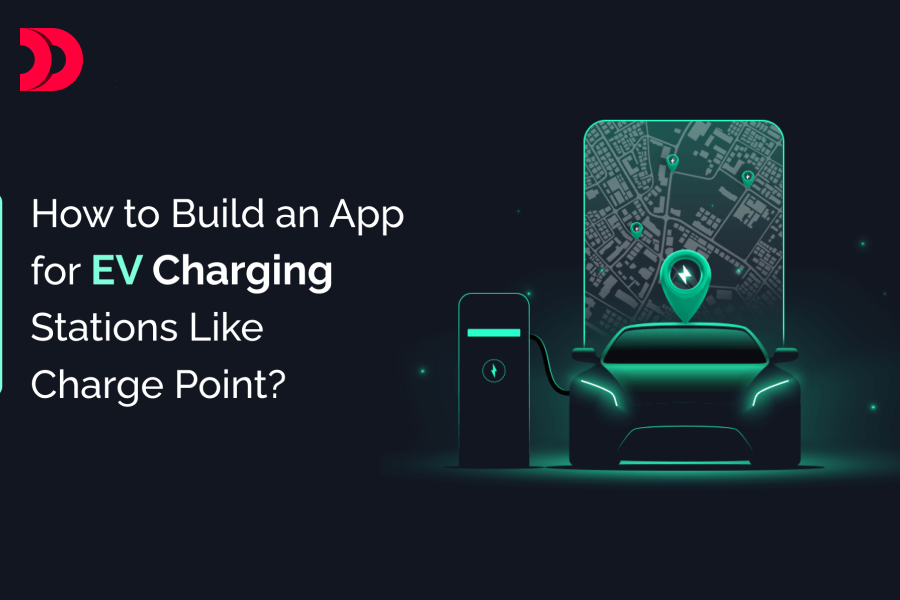
How to Build an App for EV Charging Stations Like ChargePoint?

As electric vehicles (EVs) gain popularity, the demand for reliable and efficient EV charging apps is rising. Apps like ChargePoint help users locate, book, and pay for charging stations seamlessly. If you’re looking to build an EV charging app, this guide will walk you through the key steps, costs, and benefits of development.

Steps to Build an App for EV Charging Stations

Market Research and Planning

Before starting development, conduct thorough research on your target audience, competitors, and market trends. Understanding user needs will help shape your app’s features and functionality.

Define Key Features

Your EV charging app should include essential features such as:

User Registration & Profiles – Allow users to create accounts and save preferences.

Real-time Station Locator – Show nearby charging stations on a map.

Booking & Reservations – Let users book charging slots in advance.

Payment Integration – Support multiple payment methods.

Usage History & Reports – Provide users with data on their charging sessions.

Push Notifications – Alert users about station availability and updates.

Admin Panel – Manage stations, users, and payments efficiently.

Choose the Right Technology Stack

Selecting the right tech stack is crucial for a smooth and scalable app. Common choices include:

Frontend: React Native or Flutter for cross-platform development.

Backend: Node.js or Django for handling data and user requests.

Database: Firebase, PostgreSQL, or MongoDB for storing user and station data.

APIs: Google Maps API for location services and Stripe/PayPal for payments.

Develop a Prototype

Create a wireframe or prototype to visualize the app’s layout and user experience. This helps in refining the design and making necessary changes before full-scale development.

App Development & Testing

Develop the app in phases, starting with a Minimum Viable Product (MVP). Conduct rigorous testing to ensure smooth performance, security, and user-friendliness.

Launch & Maintenance

Once the app is ready, launch it on app stores and start marketing. Regular updates and maintenance are essential for security, bug fixes, and feature enhancements.

Cost of EV Charging App Development in the UK

The development cost of an EV charging app in the UK depends on various factors such as complexity, features, and development team location. Here’s an estimated cost breakdown:

Basic App (MVP): £20,000 – £40,000

Mid-Level App: £40,000 – £70,000

Advanced App with AI & IoT Features: £70,000 – £150,000

Additional costs may include cloud hosting, third-party API integrations, and maintenance expenses.

Benefits of EV Charging App Development

Convenience for EV Owners

An EV charging app makes it easy for users to find and book charging stations, reducing wait times and improving accessibility.

Business Growth for Charging Station Owners

Station operators can attract more customers, manage bookings efficiently, and increase revenue.

Promotes Sustainability

Encouraging EV adoption contributes to a cleaner environment and reduced carbon emissions.

Monetization Opportunities

The app can generate revenue through subscription plans, in-app advertisements, and commission from charging sessions.

Enhanced User Experience

Features like real-time tracking, seamless payments, and notifications improve user satisfaction and retention.

Conclusion

Building an EV charging app like ChargePoint requires careful planning, the right technology, and a user-centric approach. While development costs can vary, the benefits make it a worthwhile investment. Whether you’re a start-up or an established business, an EV charging app can help you tap into the growing EV market while promoting sustainability.

Need expert assistance in building your EV charging app? Get in touch with a professional app development team today!

Grocery Delivery App: Develop a Seamless Shopping Experience

The way people shop for groceries has changed drastically in recent years. With busy schedules and the rise of digital convenience, grocery delivery apps have become a necessity for modern consumers. Whether you’re a supermarket, a local grocery store, or a startup, investing in grocery delivery app development can significantly boost your business.

At Devstree UK, we specialize in building custom grocery delivery apps tailored to meet your business needs. In this blog, we’ll explore why grocery apps are essential, the key features they should have, and how our development services can help you succeed.

Why Do You Need a Grocery Delivery App?

Grocery shopping has evolved from traditional brick-and-mortar stores to mobile-first digital platforms. Businesses that embrace this shift benefit in multiple ways:

Increased Customer Convenience- Shoppers can order groceries anytime, anywhere.

Higher Sales & Revenue- A broader audience means more orders and higher profits.

Improved Inventory Management- Digital platforms make it easier to track stock levels.

Secure & Hassle-Free Payments – Multiple payment gateways enhance customer experience.

Real-Time Order Tracking – Customers get live updates on their grocery orders.

With an intuitive, feature-rich grocery delivery app, you can offer a smooth shopping experience while improving your business operations.

Key Features of a Grocery Delivery App

A successful grocery delivery app consists of multiple components catering to customers, vendors, delivery partners, and admin users. Here are the essential features:

1. Customer Panel – Smooth & Easy Shopping Experience

User Registration & Profile Management – Simple sign-up via email, phone, or social media.
Smart Search & Filters – Find products effortlessly using AI-powered search.
Order Placement & Tracking – Customers can check the status of their orders in real time.
Multiple Payment Options – Secure payments via cards, wallets, and UPI.
Reviews & Ratings – Users can provide feedback on products and services.

2. Vendor Panel – Efficient Store & Order Management

Product & Inventory Management – Add, update, or remove grocery items with ease.
Order Processing – Quick order acceptance and preparation.
Sales Analytics & Reports – Track business performance and user preferences.
Promotions & Discounts – Manage coupons and loyalty programs.

3. Delivery Partner Panel – Fast & Reliable Delivery System

Delivery Requests & Route Optimization – Assign orders based on location for faster delivery.
Real-Time Notifications – Alerts for new orders and delivery updates.
Earnings Dashboard – Track completed orders and payments.

4. Admin Dashboard – Business Control & Insights

User & Vendor Management – Oversee all app users and vendors.
Advanced Analytics & Reports – Gain insights into customer behavior and sales trends.
Pricing & Commission Management – Set product pricing, delivery charges, and commissions.
Customer Support System – Respond to queries and complaints efficiently.

Types of Grocery Delivery Apps We Develop

At Devstree UK, we offer custom grocery delivery app development solutions for different business models:

  • Single Store Grocery Apps – Ideal for independent grocery stores.
  • Multi-Vendor Grocery Apps – Marketplace-style apps connecting multiple sellers.
  • Supermarket Apps – Large-scale solutions for grocery chains and supermarkets.
  • Subscription-Based Grocery Apps – Allowing customers to schedule recurring grocery orders.

Tech Stack for Grocery Delivery App Development

We use the latest technologies to ensure high performance, security, and scalability in your grocery delivery app:

  • Front-End Development: React Native, Flutter, Swift, Kotlin
  • Back-End Development: Node.js, Laravel, Python
  • Database Management: MongoDB, MySQL, Firebase
  • Payment Gateways: Stripe, PayPal, Razorpay, Apple Pay
  • Cloud Hosting: AWS, Google Cloud, Azure

Why Choose Devstree UK for Grocery Delivery App Development?

Experienced Development Team – Skilled professionals in mobile app development.
Custom & Scalable Solutions – Tailored to fit your business needs.
User-Friendly UI/UX – Intuitive designs for a seamless experience.
Secure & Reliable – Ensuring data security and fraud protection.
End-to-End Development Support – From ideation to deployment and maintenance.

Future of Grocery Delivery Apps

The online grocery delivery market is booming, with new trends emerging:

  • AI-powered recommendations for personalized shopping.
  • Voice-enabled shopping assistants for hands-free ordering.
  • Drone & autonomous vehicle deliveries for faster order fulfillment.
  • Sustainability-driven apps promoting eco-friendly grocery options.

Get Your Grocery Delivery App Built Today!

The demand for grocery delivery apps is at an all-time high. If you’re looking to build a high-quality, feature-packed grocery app, Devstree UK is here to help.

Let’s bring your grocery business online! Contact us today to discuss your project.

Why Businesses Love Web AR – Easy, Fast, and No App Needed!

Businesses are always looking for new ways to engage customers and improve their online experience. WebAR (Web-Based Augmented Reality) is changing the game by allowing users to experience AR directly in their web browser—no app downloads needed. This makes it a simple, fast, and highly accessible tool that businesses of all sizes can use to attract and interact with customers.

Let’s dive into why businesses love WebAR and how it is revolutionizing customer engagement.

1. No App Download Required

One of the biggest advantages of WebAR is that it eliminates the need for app downloads. Traditional AR experiences often require users to install a dedicated app, which can be a barrier to engagement. With WebAR, customers can instantly access immersive AR experiences with just a click on a web link or by scanning a QR code. This seamless accessibility increases user engagement and improves conversion rates.

2. Fast and Easy Implementation

Businesses can integrate WebAR into their websites quickly without the need for extensive development. Many WebAR platforms offer ready-to-use templates and tools that allow companies to create immersive experiences without coding expertise. Whether it’s interactive 3D product showcases, virtual try-ons, or engaging marketing campaigns, WebAR simplifies the process and reduces time to market.

3. Cost-Effective Solution

Developing and maintaining a standalone AR app can be expensive. WebAR significantly reduces development costs, as it eliminates the need for app maintenance, updates, and compatibility testing across multiple devices. Businesses can invest in WebAR solutions that are more budget-friendly while still delivering high-quality AR experiences.

4. Compatible Across Devices

WebAR works on most smartphones, tablets, and even some desktops, regardless of the operating system. As long as a device has a camera and an internet connection, users can experience AR without worrying about app store restrictions. This broad compatibility ensures that businesses can reach a wider audience effortlessly.

5. Enhanced Customer Engagement

AR has the power to make interactions more engaging and memorable. WebAR allows businesses to create immersive brand experiences that keep customers interested. Whether it’s an interactive AR ad, a 3D product view, or a virtual event, WebAR helps businesses stand out from the competition and leave a lasting impression on their audience.

6. Boosts Sales and Conversions

By allowing customers to visualize products in their real-world environment, WebAR enhances confidence in purchasing decisions. For instance, furniture retailers can offer AR previews where customers can see how a sofa fits in their living room before buying. Similarly, fashion brands can provide virtual try-ons for accessories and clothing. This interactive experience reduces hesitation and increases sales conversions.

7. Seamless Integration with Marketing Strategies

WebAR can be easily integrated into social media, email marketing, websites, and digital ads. Brands can create AR-powered campaigns where users interact with products in a fun and immersive way, increasing engagement and social sharing. QR codes or direct links can be included in print materials, making offline-to-online interactions more effective.

8. Scalable and Future-Proof

As WebAR technology continues to evolve, its capabilities will only expand. Businesses investing in WebAR now are positioning themselves for the future of digital engagement. The scalability of WebAR ensures that companies can update and expand their AR experiences without major overhauls or redevelopment costs.

Conclusion

WebAR is transforming the way businesses connect with their audience by offering an easy, fast, and no-app-required solution for immersive experiences. Its accessibility, cost-effectiveness, and ability to enhance customer engagement make it a valuable tool for brands looking to stay ahead in the competitive market.

If you’re ready to leverage the power of WebAR for your business, now is the perfect time to explore its endless possibilities!

An Average Game App Development Cost Estimation for All Mobile Game Genres

Mobile games already account for over 50% of the market for games, and this trend is expected to continue. Therefore, developers need to have a good understanding of the Game app development cost associated with game development and mobile app marketing services. Estimating the game app development cost for all mobile game genres can be a challenging task. Taking into consideration all the factors involved, such as design complexity, development tools, audio and video assets, and marketing needs, the cost can range anywhere from a few thousand dollars to hundreds of thousands of dollars. Before that, we have to look at the different types of game apps, the typical mobile game development process, the cost, and so on. Let’s get started.

The Different Types of Game Apps: 

Card Gaming Apps:

Card gaming apps have seen a surge in popularity in recent years, largely due to the ease and convenience of being able to access them on mobile devices. These might be digitalized versions of traditional card games or brand-new card games with card mechanics.

Arcade Gaming Apps:

Arcade gaming apps have seen a huge increase as more and more people are turning to these games for quick entertainment. Millennials prefer arcade games like Hearthstone over other genres.

Adventure Gaming Apps:

Adventure gaming apps are becoming increasingly popular as they offer players an immersive experience and storyline that encourages exploration and discovery. With their vibrant graphics and innovative and engaging gameplay, these games are highly attractive to Millennials.

Betting Games:

With this large player base, the gaming industry has seen a surge in popularity due to the variety of games available and the convenience of online betting. Male players make up 81% of the total population, which is overwhelmingly male. Players are 37 years old on average.

Puzzle Gaming Apps: 

Players of all ages enjoy puzzle gaming apps, but Gen Z players have a particular affinity for them. This category contains everything from traditional crossword puzzles to more sophisticated brain teasers that incorporate mechanics from other genres.

Role-playing Gaming Apps: 

Role-playing gaming apps provide players with an opportunity to explore immersive, detailed game worlds, craft unique characters and engage in complex storylines that take hours or even days to complete.

The Mobile Game Development Process:

The following stages comprise the process of Developing a mobile game:

Market Research: This entails investigating the target audience, competing proposals, current trends, and stylistic innovations to determine the best solutions.

Documentation for Game Design: The document contains a general image of the game, its target audience, platform (Android or iOS), genre, monetization options, scale, style, and characters, among other things. The game designer of a mobile game app development agency executes it.

Technical specification: Game mechanics, code objects, a control loop, game physics, and game object data are all covered in this technical specification. The specification can be used to calculate the final cost of the work. The lead programmer or technical director of a Game app development company implements it.

Prototyping: The prototype is a rough sketch of the game that lacks details and art visuals, allowing you to understand the mechanics and appreciate the gameplay’s convenience.

Game creation: Developing all 2D/3D assets, characters, environments, and interface elements that will influence the visual perception of the future game.

Game Programming: This includes writing program code, configuring a server, database, and API, and implementing game graphics by embedding 2D or 3D content and VFX.

Sound Design: For maximum enjoyment, create music and work with interface sounds and other sound effects.  

Testing: This part includes detecting and correcting minor system malfunctions or incorrect operations. 

Publication: Placing the game on the appropriate Internet resources, such as the Google Play Store or the App Store. The user can now access the product.

An Estimated Game App Development Cost: 

Developing a game app can be a costly process. The cost of game app development is dependent on the type of game being developed, the platforms it will be used on, and the features that it will include. 

Development costs typically range between $8K and $25M. Additionally, marketing and advertising costs should be taken into account when planning a budget for game app development. It may vary for different Game app development company. 

Conclusion:

The cost of developing an app is dependent on the type of game being developed and the platforms it will be used on. If you are searching for a mobile game app development agency, then contact Devstree IT Solution. We are a well-known mobile app development company with a huge experience in game creation. Connect with us to have an estimate of Game App Development Costs.

How to Build Healthcare VR app or Software?

In recent years, Virtual Reality (VR) technology has made significant strides, transforming various industries, including healthcare. Healthcare VR apps and software have emerged as powerful tools to enhance medical training, patient care, and therapeutic interventions.

In this blog post, we’ll delve into what a Healthcare VR app is, how it works, and provide a step-by-step guide on developing one. Additionally, we’ll discuss the reasons behind the growing trend of healthcare VR apps and estimate the associated development costs.

What is a Healthcare VR App?

A Healthcare VR app is a virtual reality application designed specifically for the healthcare sector. It utilizes VR technology to simulate realistic environments, procedures, or scenarios that can be used for medical training, patient education, and therapeutic purposes. These apps can range from surgical simulations to mental health interventions, offering a wide array of possibilities to improve healthcare services.

How Does a Medical VR App Work?

Healthcare VR apps leverage VR headsets and controllers to immerse users in a virtual environment. These environments can replicate medical scenarios, enabling users to interact and practice in a risk-free setting. For example, surgeons can practice complex procedures, medical students can explore anatomy in 3D, and patients can undergo virtual therapy sessions. The technology relies on realistic graphics, 3D models, and interactive elements to create a lifelike experience.

Why Should You Build a Healthcare VR App?

Enhanced Training and Education: Healthcare professionals can practice and refine their skills in a controlled virtual environment, reducing the risk associated with real-world procedures.

Patient Engagement and Education: VR apps can be used to educate patients about medical conditions, treatment options, and recovery processes, fostering better understanding and adherence to treatment plans.

Therapeutic Interventions: VR has shown promising results in treating various mental health conditions, such as anxiety and PTSD. VR-based therapies provide a immersive and controlled space for therapeutic interventions.

Remote Consultations: VR can facilitate remote consultations, enabling healthcare providers to connect with patients in a virtual space, especially useful in situations where physical presence is challenging.

How to Develop a Healthcare VR App or Software?

Define Objectives and Use Cases:

Clearly outline the goals of your VR app, whether it’s for training, patient education, or therapy.

Identify specific use cases and scenarios your app will address.

Choose the Right VR Platform:

Decide on the VR hardware and platform that aligns with your app’s objectives (e.g., Oculus Rift, HTC Vive, or mobile VR platforms like Oculus Quest).

Content Creation:

Develop or acquire 3D models, realistic simulations, and interactive content that align with your app’s purpose.

Software Development:

Choose a development framework suitable for healthcare VR app development.

Focus on creating a user-friendly interface and seamless interactions within the virtual environment.

Integrate Data Security Measures:

Implement robust security protocols to protect sensitive healthcare data if your app involves patient information.

User Testing:

Conduct extensive testing to ensure the app’s functionality, realism, and user experience meet the intended goals.

Regulatory Compliance:

Ensure your healthcare VR app complies with relevant healthcare regulations and standards.

How Much Does it Cost to Develop a Healthcare VR App?

The cost of developing a healthcare VR app can vary based on factors such as complexity, features, and platform. A simple VR app may cost tens of thousands of dollars, while more complex applications could range into the hundreds of thousands or more. Consider expenses for content creation, software development, hardware, and ongoing maintenance.

In Conclusion

In conclusion, building a healthcare VR app requires careful planning, a focus on user experience, and adherence to regulatory standards. The potential benefits in training, patient care, and therapeutic interventions make the investment worthwhile, contributing to the advancement of healthcare technology.