
Chat on WhatsApp

Custom Web App Development: Everything You Need to Know

Greetings from the future of developing web applications! In 2024, the field of developing custom web apps is changing quickly, and companies are using cutting-edge approaches to satisfy their particular needs.

Mobile app functionality and behavior extend web-based projects through web app development. Web applications use the Internet and a network to provide material, but they emphasize responsive user interactions.

As a top web development company, we will look more closely at the web application development process in today’s blog post so that you can better understand its advantages, necessary tools, and frameworks.

Custom Web Application Development: What Is It?

“Custom web application development” refers to the process of creating unique software for the internet. These applications are made and designed to fulfill the particular requirements, features, and specifications of a given company or group. They aren’t pre-made solutions; rather, they are made from the ground up or with significant customization to meet particular needs.

The First Steps in Creating Web Applications:

The process of creating a web application involves multiple steps. The steps involved in the development process are listed below.  Let’s get started.

Verify the Idea for Your App:

The first step is to understand your web application’s concept. Every app idea begins with a fix for a problem that one or more of your potential users might be having.

While not necessarily great, the idea must solve people’s issues. Before beginning development, your idea must be validated. Check to see if the suggested remedy truly takes care of the problems the clients brought up. You should take your clients’ opinions into account.

Market Analysis:

The most important initial stage for every product is market research. The team needs to be fully aware of the user, the problem that the user is experiencing, the extent of the problem (i.e., the number of people it affects), and the rivalry between potential solutions.

The technological development of the web application will be aided by having a thorough understanding of the user and the competition during the market research phase.

Arrange the Workflow:

A workflow can help you build a system for logically arranging the various components of your web application development. Think about the elements of your web application and how you could allocate your funds and resources to fulfill those requirements. Your workflow has to be focused on both business and technology since you are creating software.

Work on the Web application’s features and functionalities

Speed is essential in today’s fast-paced business, but producing the correct product is just as vital. The primary question is what the web application performs at the moment. We employ the MoSCoW technique to prioritize and list all required features, both big and minor, to ascertain this:

Mo – Must have features

S – Should have features

Co – Could have features

W – Won’t need features

The design, wireframing, and prototyping of the web application are guided by these prioritized features, which eventually result in the creation of the minimal viable product (MVP), which has all the functionality needed to draw in early customers.

Make the First Prototypes:

It’s now time to begin coding. Simple prototypes are made and tested with actual target users in the early phases. By focusing on important details for end users, analysts and designers improve the user experience (UX) by adhering to graphic design standards. Then, a representative user group is shown this wireframe. With the aid of this agile development methodology, a new product can be developed that has the necessary features to draw in early adopters.

Creating and Examining Your Web Application:

After the design is finished, the app needs to be developed and tested to get insightful user feedback. To ensure smooth functioning, use a solid web application framework before creating the MVP. Depending on the features and functionalities of the app, developers employ a variety of methodologies throughout the testing phase. Following a successful development

Final words:

When done properly, creating a custom web application offers substantial advantages but also requires careful design and execution. To maximize your effect inside your specialty, don’t be hesitant to embrace pivots when necessary and to iterate on early ideas.

It’s all connected to the custom web app development. Get in touch with us to hire a skilled developer if you want to expand your web project or if you’re having any problems! We are Devstree- a custom web app development company.
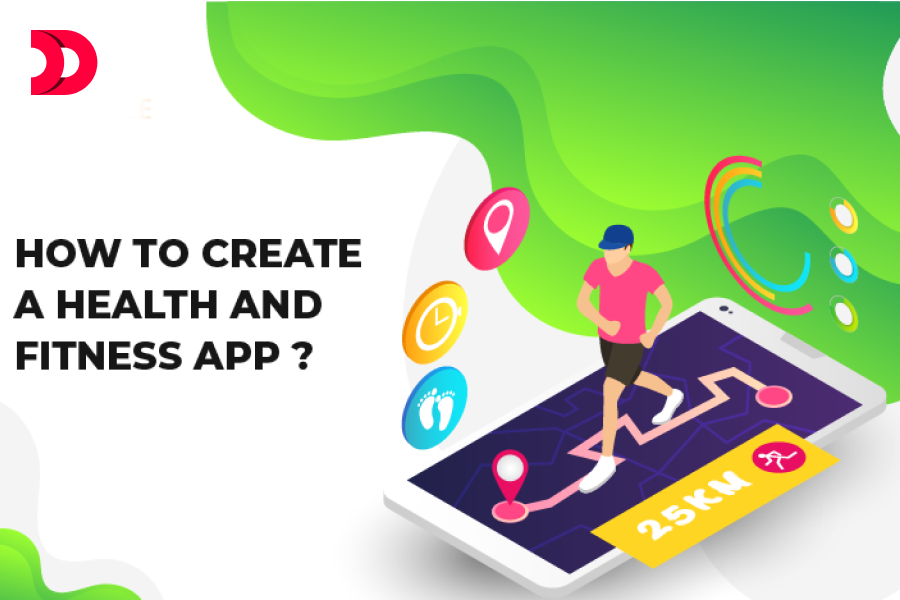
How to Create a Health and Fitness App

Introduction: Health and fitness apps have become increasingly popular in recent years, as more people are focusing on their well-being and adopting healthier lifestyles. These apps can provide many features and functionalities, such as tracking physical activity, monitoring nutrition, offering workout plans, providing coaching and motivation, and more. In this blog, we are creating an overview of creating a health and fitness app and the average Fitness app Development Cost. This comprehensive 7-step guide will provide you with a roadmap to get started.

Step 1: Determine the Purpose of Your App and the Target Audience

The first step in creating a health and fitness app is to clearly define its purpose and identify your target audience. What specific problem or need does your app aim to address? Who is your ideal user? Understanding your app’s purpose and target audience will help you shape its features and functionalities, as well as its overall design and user experience.

Step 2: Choose Your App Platform

Next, you need to decide on the platform for your health and fitness app. Will it be a mobile app for iOS, Android, or both? Alternatively, you may consider developing a web-based app that can be accessed through a browser. Each platform has its own advantages and limitations, so choose the one that aligns with your app’s purpose and target audience.

Step 3: Conduct Market Research

Market research is crucial to understand the competitive landscape and identifying opportunities for your health and fitness app. Look for similar apps in the market and analyze their features, user ratings, reviews, and pricing models. This research will help you identify gaps and areas where your app can stand out.

Step 4: Plan Your App’s Features and Functionalities

Based on your app’s purpose, target audience, and market research, you can now plan the features and functionalities of your health and fitness app. Some common features include activity tracking, nutrition tracking, workout plans, coaching and motivation, social sharing, and more.

Step 5: Design the User Interface and User Experience

The user interface (UI) and user experience (UX) of your app are critical to its success. Your app should be visually appealing, easy to navigate, and provide a seamless and enjoyable user experience. Hire a skilled designer or use design tools to create wireframes and prototypes that showcase your app’s UI and UX. To obtain feedback and develop improvements, test these prototypes with potential users.

Step 6: Develop and Test Your App

Once you have finalized the design, it’s time to develop your health and fitness app. Hire Fitness app developer from an experienced Fitness app development Company or use a reliable app development platform to bring your app to life. Once your app is developed, thoroughly test it on different devices and operating systems to ensure it works smoothly and as intended.

Step 7: Launch and Market Your App

After rigorous testing, it’s time to launch your health and fitness app. Submit it to the app stores (e.g., Apple App Store, Google Play Store) and optimize your app’s metadata (e.g., title, description, keywords) to improve its discoverability. Develop a marketing plan to promote your app, which may include digital marketing, social media campaigns, influencer partnerships, and more.

Here are Some Extra Pointers to Keep in Mind:

Ensure Data Privacy and Security: Health and fitness apps often collect sensitive user data, such as personal information, health metrics, and workout data. It’s crucial to prioritize data privacy and security to protect your users’ information. Follow industry best practices for data encryption, authentication, and authorization to ensure the confidentiality and integrity of user data.

Offer personalized Experiences:

 Consider incorporating features that allow users to set personalized goals, receive tailored recommendations, and track their progress based on their individual needs and preferences. Personalization can enhance user engagement and retention.

Implement social sharing Features: 

Social sharing features can enhance the social aspect of your app and encourage users to share their achievements, progress, and challenges with their friends and peers.

Provide Excellent Customer Support:

 Good customer support is crucial for user satisfaction and retention. Ensure that your app has robust customer support channels, such as in-app chat, email, or phone support, to assist users with any issues, inquiries, or feedback they may have.

Conclusion:

Creating a health and fitness app requires careful planning, design, development, and marketing. By following this 7-step guide, you can create a compelling app that caters to the needs of your target audience and provides value to your users with the help of an App development company UK or any well-known Mobile app development company in London.

Remember to continuously iterate and improve your app based on user feedback to ensure its success in the competitive health and fitness app market in 2024. If you are in search of any reputed Mobile app Development Company in London, then connect with us now.