

 James
James
 June 3, 2026
Introduction
The mobile app industry has become one of the fastest growing digital markets in the world. Businesses across industries are investing heavily in mobile applications to improve customer engagement, generate revenue, and build long term digital presence. From fintech and healthcare to gaming and eCommerce, mobile apps are now considered one of the most scalable business assets for startups and enterprises alike.
However, building an app alone does not guarantee success. Every year, thousands of apps are launched on app stores, but only a small percentage become profitable. This is why many entrepreneurs search for answers to questions like how to make money with an app, how to create an app and make money, and how do you make money off apps.
The reality is that profitable apps are built with the right strategy, strong user experience, proper monetization planning, and long term scalability. Apps that solve real problems and keep users engaged are more likely to generate sustainable revenue over time. Businesses that focus only on downloads often struggle because app profitability depends more on retention and recurring usage than initial installs.
In this guide, we will explore the key factors that make a mobile app profitable, the most effective monetization models, common reasons why apps fail, and how businesses can create scalable digital products that generate long term revenue.
Mobile apps are highly profitable because smartphones have become an essential part of daily life. Users rely on apps for shopping, banking, entertainment, healthcare, communication, transportation, and education. Businesses use mobile applications to connect directly with customers, improve engagement, and create recurring revenue opportunities.
One of the biggest advantages of mobile apps is accessibility. Unlike traditional websites, apps provide faster performance, personalized experiences, push notifications, and smoother interactions. This increases user engagement significantly. Businesses that successfully retain active users often generate higher revenue through subscriptions, purchases, advertising, and premium services.
Many of the best apps to make money are successful because they solve specific customer problems in a simple and convenient way. Apps that improve productivity, save time, or offer personalized experiences generally perform better in competitive markets.
Companies like streaming platforms, payment apps, and fitness applications have proven that mobile apps can become long term revenue generating ecosystems when combined with the right business strategy.
Another reason why mobile apps are profitable is scalability. Once the application is built and gains traction, businesses can expand globally without increasing operational costs proportionally. This scalability makes mobile apps one of the most attractive digital business models today.
Several factors determine whether an app becomes profitable or struggles after launch. Successful apps focus on user needs, retention, scalability, and monetization instead of relying only on downloads.
One of the biggest factors behind app profitability is solving a real problem. Users are more likely to engage with apps that make their lives easier, faster, or more convenient. Apps that address everyday challenges often experience stronger retention and organic growth.
User experience also plays a major role in profitability. A visually attractive app alone is not enough if navigation feels confusing or performance is slow. Profitable apps usually provide smooth onboarding, clean UI/UX design, fast loading speed, and simple navigation. Users quickly uninstall apps that crash frequently or feel difficult to use.
Monetization strategy is another critical factor. Businesses exploring how to make money from an app must choose revenue models carefully based on their audience and app category.
| Profitability Factor | Business Impact |
| Strong User Experience | Higher retention |
| Fast Performance | Better engagement |
| Push Notifications | Increased app usage |
| Subscription Plans | Recurring revenue |
| Personalized Features | Improved conversions |
| Scalability | Long term growth |
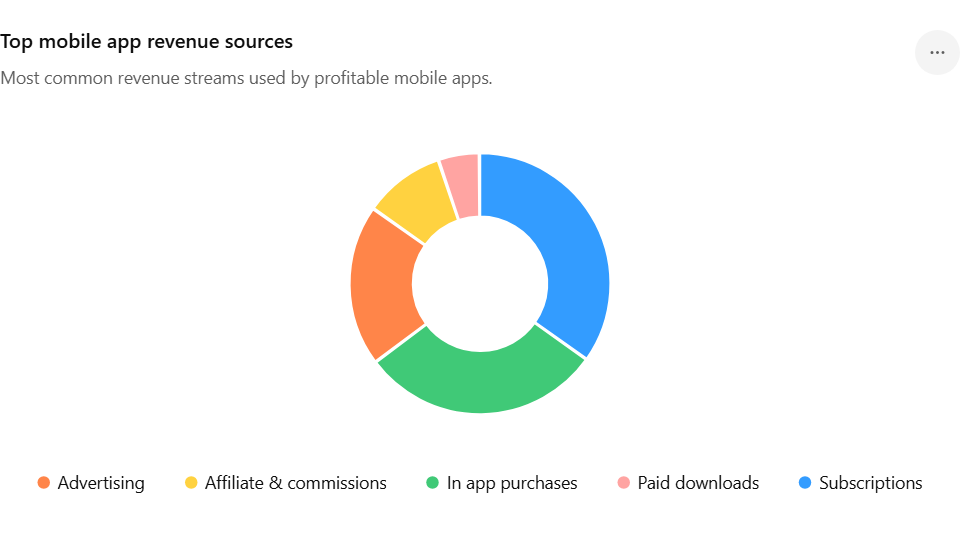
Subscription plans, in app purchases, advertising, affiliate marketing, and freemium services are some of the most popular monetization approaches. Long term user retention is equally important. Many apps receive downloads initially but fail because users stop engaging after a few days. Features like push notifications, personalized recommendations, loyalty rewards, gamification, and regular updates help businesses keep users active for longer periods. The longer users stay engaged, the higher the chances of generating recurring revenue.
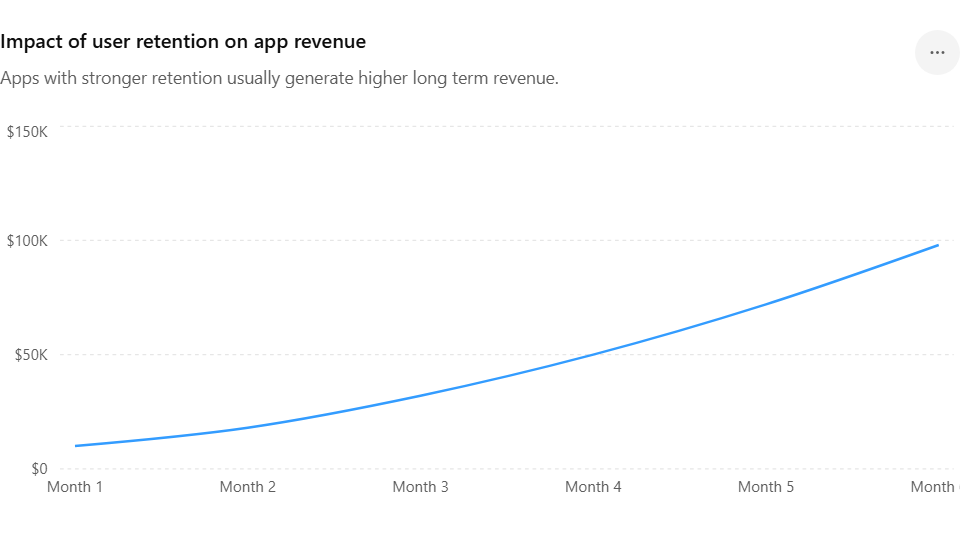
Scalable infrastructure is also necessary for profitable mobile apps. As traffic increases, businesses must ensure stable performance, secure transactions, and fast loading times. Apps that fail to scale properly often experience downtime and performance issues, negatively affecting customer trust and revenue growth.
Subscription based models have become one of the most profitable app monetization strategies in recent years. Streaming platforms, fitness apps, educational apps, and SaaS products commonly use subscriptions to generate recurring monthly or yearly revenue.
This model works especially well for apps that continuously provide value through updated content, personalized experiences, or ongoing services. Instead of relying on one time purchases, subscription models create predictable income and improve customer lifetime value.
Users are often willing to pay recurring fees when they consistently receive useful features, premium content, or exclusive access.
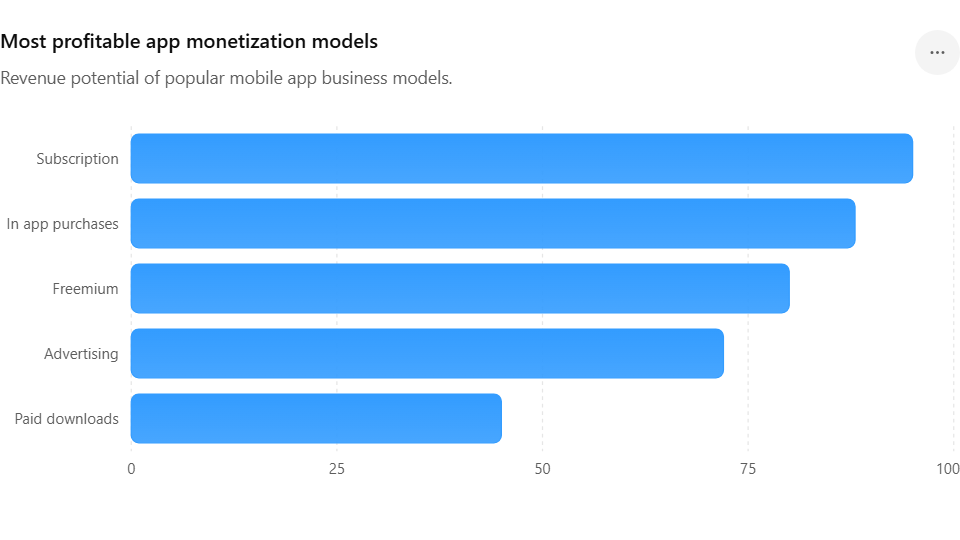
Many successful businesses combine free basic features with premium subscription plans to attract larger audiences while converting engaged users into paying customers.
Subscription models also help businesses forecast revenue more accurately and scale operations more efficiently. However, retaining subscribers requires continuous product improvements, regular updates, and high quality customer experiences.
In app purchases are widely used in gaming, social media, entertainment, and productivity applications. This monetization model allows users to buy additional features, digital products, virtual currencies, exclusive content, or premium upgrades directly within the app.
Gaming apps are among the biggest examples of successful in app purchase strategies. Many games generate significant revenue through cosmetic upgrades, virtual rewards, premium levels, and digital assets. Social media apps and productivity tools also use this model to unlock advanced features or remove usage limitations.
One of the biggest advantages of in app purchases is flexibility. Users can access the app for free initially and spend money gradually based on their engagement level. This helps businesses attract larger audiences while increasing monetization opportunities from highly active users.
However, businesses must balance monetization carefully. Excessive purchase prompts or aggressive upselling can negatively affect user experience and retention.
Advertising remains one of the most common ways to monetize free mobile applications. Businesses generate revenue by displaying ads within the app through banner ads, video ads, native ads, and rewarded advertisements.
Free apps with large user bases often rely heavily on advertising because it allows businesses to generate revenue without charging users directly. Social media apps, gaming platforms, and content based applications commonly use this monetization model.
Rewarded ads are becoming increasingly popular because they encourage user interaction without disrupting the overall experience. Users voluntarily watch ads in exchange for rewards, extra content, or in app benefits.
While advertising can generate substantial revenue, poor ad placement or excessive ads may reduce engagement and increase uninstall rates.
| Advertising Type | Best For |
| Banner Ads | News & blogging apps |
| Video Ads | Gaming applications |
| Native Ads | Social media platforms |
| Rewarded Ads | Mobile games |
| Interstitial Ads | Entertainment apps |
Successful apps carefully balance advertising with user experience to maintain retention and profitability.
The freemium model allows users to access basic features for free while charging for advanced functionality or premium experiences. Many SaaS applications, productivity tools, and educational platforms use this strategy effectively.
Freemium models work well because they reduce entry barriers for new users. People are more likely to try an app when they can access core features without immediate payment. Once users become engaged, businesses can encourage upgrades through premium features, additional storage, advanced tools, or exclusive content.
This strategy is especially useful for startups exploring how to create an app and make money because it helps build user bases quickly while gradually improving conversions.
However, businesses must carefully balance free and paid features. If the free version provides too little value, users may abandon the app before upgrading. On the other hand, if the free version offers everything, conversion rates may remain low.
Building a profitable mobile app requires much more than attractive design and advanced features. Businesses must focus on solving real user problems, improving user experience, choosing the right monetization strategy, and maintaining long term customer engagement.
Entrepreneurs searching for answers to how to make money with an app or how do you make money off apps should understand that profitability depends heavily on user retention, scalability, and continuous product improvement. The most successful apps are usually those that evolve based on customer feedback and changing market demands. The best apps to make money are not always the most complex apps. In many cases, simple apps that provide convenience, consistency, and strong user experiences outperform larger competitors. If you are planning to build a scalable and revenue generating mobile application, partnering with an experienced app development company like Devstree IT Solution can help you develop high performance digital products designed for long term business growth and profitability.
 James
July 23, 2026
James
July 23, 2026
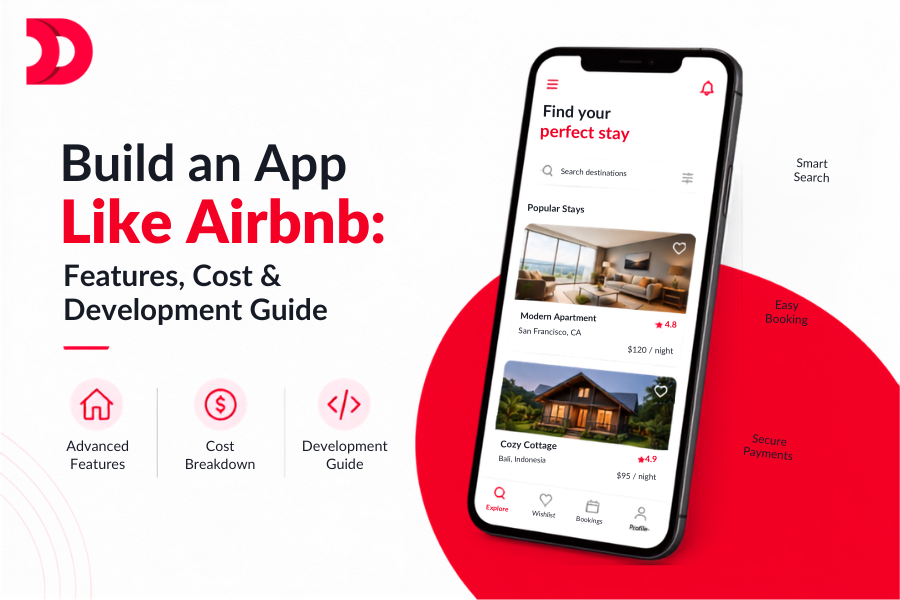
Globally, the travel and property sectors have witnessed massive shifts…
Read more
 James
July 17, 2026
James
July 17, 2026
The mobile gaming industry continues to grow at an impressive…
Read more
 James
July 13, 2026
James
July 13, 2026
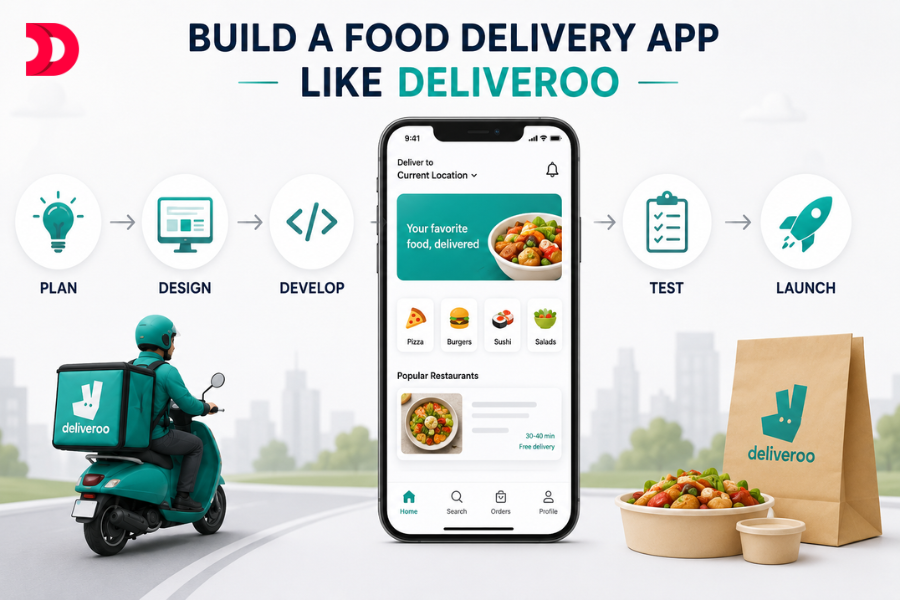
Food delivery apps have transformed the way people order meals,…
Read more
 James
July 7, 2026
James
July 7, 2026
Mobile applications are evolving faster than ever, and one of…
Read more