

 James
James
 February 11, 2025
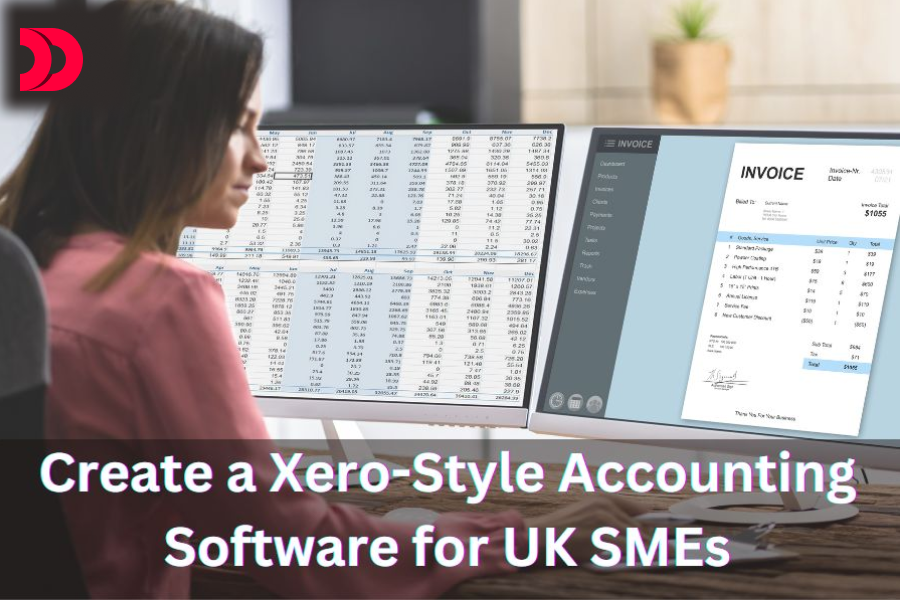
The demand for efficient and scalable accounting solutions among UK small and medium-sized enterprises (SMEs) is at an all-time high. With cloud-based platforms like Xero leading the market, many businesses seek customized alternatives that cater to their specific needs. If you’re looking to build a competitive accounting software tailored for UK SMEs, this guide outlines the essential steps, features, and considerations to bring your project to life.
Before diving into development, it’s vital to grasp the financial regulations and requirements specific to UK businesses. The UK mandates strict compliance with Making Tax Digital (MTD), VAT obligations, and payroll management regulations. Ensuring your software aligns with these legal frameworks while offering an intuitive user experience is key to success.
To stand out in the market and rival platforms like Xero, your software should include:
Cloud-Based Accessibility
Secure and scalable cloud solutions for real-time data access.
Automated Invoicing & Billing
Simplified invoice generation, reminders, and tracking for smooth cash flow management.
Expense & Budget Tracking
A comprehensive expense management system to monitor spending and generate financial reports.
Bank Reconciliation
Seamless UK bank integration for real-time transaction matching.
Payroll & Employee Management
Built-in payroll features ensuring accurate tax calculations and timely employee payments.
Tax & Compliance Tools
Automated VAT and MTD compliance solutions to meet HMRC regulations.
Multi-User Functionality
Secure, role-based access for accountants, business owners, and employees.
Third-Party Integrations
Compatibility with CRM, e-commerce, and payment processing platforms.
Choosing the right technology stack is crucial for developing a secure and scalable accounting solution:
Frontend: React.js, Angular, or Vue.js for a seamless user experience.
Backend: Node.js, Python (Django), or PHP (Laravel) for efficient and secure operations.
Database: PostgreSQL, MySQL, or MongoDB for structured data storage.
Cloud Infrastructure: AWS, Azure, or Google Cloud for reliable hosting.
Security Protocols: Implement end-to-end encryption, GDPR compliance, and multi-factor authentication (MFA) for enhanced security.
Building an accounting software involves several stages:
Phase 1: Research & Planning
Phase 2: UI/UX Design
Phase 3: Development & Testing
Phase 4: Deployment & Ongoing Support
Given the financial nature of the software, prioritizing security and compliance is essential:
GDPR Compliance: Safeguard user data and privacy.
HMRC Integration: Ensure seamless Making Tax Digital (MTD) compliance.
PCI DSS Standards: Secure payment processing.
Two-Factor Authentication (2FA): Strengthen account security.
The cost of building an accounting software depends on its complexity. A basic MVP may cost between £30,000 – £100,000, while an advanced solution incorporating AI and automation could range from £150,000 – £300,000. The development timeline typically spans 6-12 months.
Developing a Xero-style accounting software requires meticulous planning, strong technical expertise, and adherence to UK financial regulations. At Devstree UK, we specialize in crafting scalable, secure, and compliant financial solutions for SMEs. Whether you’re looking for a cloud-based accounting system or a bespoke financial platform, our expert team is ready to turn your vision into reality.
Looking to build a cutting-edge accounting solution? Contact Devstree UK today and let’s discuss your project requirements!
 James
February 25, 2026
James
February 25, 2026
Healthcare is rapidly transforming with digital solutions, and telemedicine has…
Read more
 James
February 17, 2026
James
February 17, 2026
In the current digitally competitive landscape choosing the best company…
Read more
 James
January 8, 2026
James
January 8, 2026
In 2026, businesses across retail, hospitality, and service industries are…
Read more
 James
January 7, 2026
James
January 7, 2026
A strong mobile application is the primary reason for the…
Read more