

 James
James
 May 8, 2025
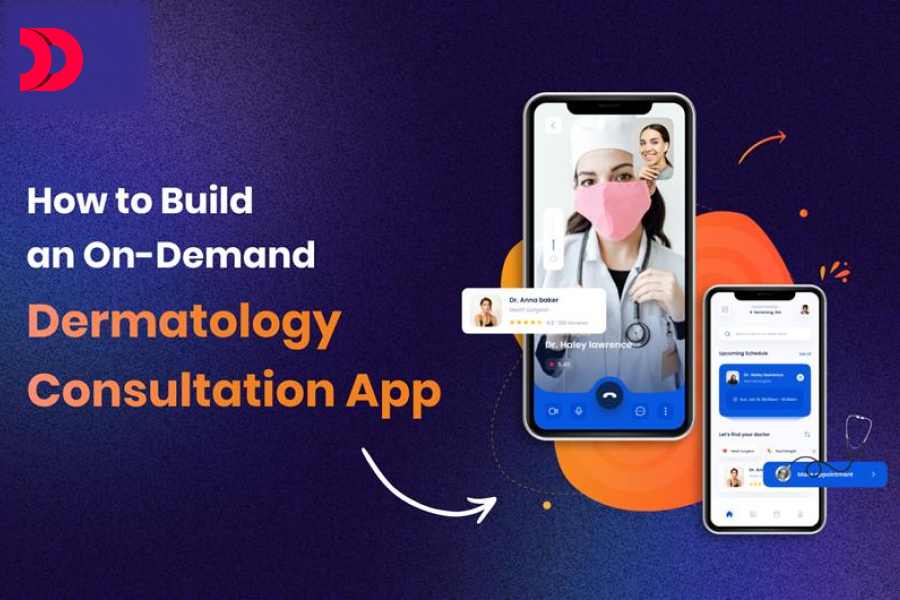
The rise of telehealth has transformed healthcare delivery, and dermatology is no exception. An on-demand dermatology consultation app connects patients with dermatologists via video calls, chat, or image uploads, offering convenience and accessibility. This blog outlines the key steps to create a mobile app for dermatology consultations, covering planning, technology stack, features, and compliance considerations. Partnering with a healthcare app development company can streamline the process, providing expertise in on-demand app development solutions.
Start by identifying the core functionalities of your app. Key features for an on-demand dermatology consultation app include:
User Registration and Profiles: Separate interfaces for patients and dermatologists, with secure login and profile management.
Appointment Scheduling: Allow patients to book real-time or scheduled consultations.
Video and Chat Consultations: Enable secure, high-quality video calls and real-time chat.
Image Upload and Analysis: Patients can upload skin condition images for dermatologist review.
Prescription Management: Dermatologists can issue e-prescriptions, integrated with pharmacies.
Payment Gateway: Secure payment processing for consultations.
Reviews and Ratings: Patients can rate dermatologists to build trust.
Notifications: Reminders for appointments and follow-ups via push notifications or email.
Selecting an appropriate tech stack ensures scalability, security, and performance. Here’s a recommended stack for on-demand app development solutions:
Frontend: React Native or Flutter for cross-platform mobile apps, ensuring a consistent user experience on iOS and Android.
Backend: Node.js with Express or Django for robust API development.
Database: PostgreSQL or MongoDB for storing user data, appointments, and medical records.
Real-Time Communication: WebRTC for video and chat, with libraries like Agora or Twilio for streamlined integration.
Cloud Hosting: AWS or Google Cloud for scalability and secure storage of sensitive data.
Image Processing: Integrate AI tools like TensorFlow or AWS Rekognition for preliminary skin condition analysis (optional).
Payment Integration: Stripe or PayPal for secure transactions.
Read More– How Much Does It Estimate to Cost to Build an MVP App in UK?
A clean, intuitive UI is critical for user adoption when you create a mobile app. Use tools like Figma to design:
Patient Dashboard: Display upcoming appointments, consultation history, and image upload options.
Dermatologist Portal: Show patient queues, consultation schedules, and image review tools.
Mobile Responsiveness: Ensure the app is optimized for various screen sizes.
Focus on accessibility, such as high-contrast text and voice navigation for visually impaired users.
Healthcare apps must comply with strict regulations to protect patient data. A healthcare app development company can guide you through:
HIPAA (USA): Encrypt patient data in transit and at rest, and use secure authentication.
GDPR (EU): Obtain explicit user consent for data processing and provide data deletion options.
Medical Licensing: Verify dermatologists’ credentials and ensure they are licensed to practice in the patient’s region.
Use AWS HIPAA-compliant services or Google Cloud’s healthcare API to simplify compliance.
Security is paramount in healthcare apps. Implement:
End-to-End Encryption: For video calls, chats, and image uploads.
Secure Authentication: Use OAuth 2.0 or JWT for user authentication.
Data Anonymization: De-identify patient data for analytics.
Regular Audits: Conduct penetration testing and vulnerability assessments.
To create a mobile app, follow an agile development process and consider hiring skilled developers:
Prototyping: Build a minimum viable product (MVP) with core features like scheduling and video calls.
Development Team: Hire mobile app developers with experience in healthcare apps to ensure quality and compliance.
Testing: Perform unit, integration, and user acceptance testing. Test video call stability under varying network conditions.
Beta Testing: Launch a beta version to a small group of users for feedback.
After development, deploy the app to the App Store and Google Play. Promote it through:
SEO and Content Marketing: Publish blogs on skin care and telehealth benefits, optimized for keywords like “healthcare app development company” and “on-demand app development solutions.”
Social Media: Share success stories and patient testimonials.
Partnerships: Collaborate with dermatology clinics or skincare brands.
Post-launch, monitor app performance using tools like Firebase Analytics. Regularly update the app to:
Building an on-demand dermatology consultation app requires careful planning, a robust tech stack, and strict adherence to healthcare regulations. By partnering with a healthcare app development company and leveraging on-demand app development solutions, you can create a mobile app that bridges the gap between patients and dermatologists. Hire Mobile App Developers with expertise in telehealth to ensure a seamless user experience and compliance. Start with an MVP, iterate based on user feedback, and use modern technologies to deliver a valuable telehealth solution.
Ready to start? Begin by sketching your app’s features and contacting a trusted development team today!
 James
February 25, 2026
James
February 25, 2026
Healthcare is rapidly transforming with digital solutions, and telemedicine has…
Read more
 James
February 17, 2026
James
February 17, 2026
In the current digitally competitive landscape choosing the best company…
Read more
 James
January 8, 2026
James
January 8, 2026
In 2026, businesses across retail, hospitality, and service industries are…
Read more
 James
January 7, 2026
James
January 7, 2026
A strong mobile application is the primary reason for the…
Read more