

 James
James
 January 9, 2026

Digital learning is no longer an optional add-on. It has become a core part of how institutions, businesses, and learners interact with knowledge. From schools and universities to corporate training programs, education apps are reshaping how content is delivered and consumed.
For IT companies, this shift creates a strong business opportunity. Clients are actively looking for reliable partners who can build scalable, secure, and engaging learning platforms. Whether they approach a mobile app development company or decide to hire app developer resources directly, they expect clear guidance on features, architecture, and overall Education App Development cost.
Education app development refers to designing and building digital platforms that deliver structured or flexible learning experiences through mobile or web applications. These apps combine content delivery, user engagement, and performance tracking into a single ecosystem.
From a technical perspective, it includes frontend interfaces for learners, backend systems for content management, and integrations for payments, analytics, and communication. The real focus is not just functionality, but creating a smooth and engaging learning journey.
Understanding the app type is critical because it directly influences architecture, features, and cost estimation.
E-Learning Platforms
These apps provide structured courses with recorded lessons, downloadable resources, and assessments. They are ideal for self-paced learning and scalable content distribution.
Live Learning Applications
These platforms enable real-time interaction through video sessions, live chat, and collaborative tools. They are widely used by coaching institutes and training organizations.
Exam Preparation Apps
Focused on competitive exams, these apps provide mock tests, performance analysis, and adaptive question sets based on user performance.
Kids Learning Apps
These apps use gamification, animations, and interactive elements to make learning engaging for younger audiences.
Corporate Training Apps
Designed for businesses, these apps help train employees, track performance, and ensure compliance with organizational learning goals.
Each category requires different levels of complexity, which directly impacts the Education App Development cost.
A successful education app is built around user experience and functionality. Below are essential features expected in most projects.
User Registration and Profile Management
Users should be able to sign up easily using email, phone, or social platforms. Profiles help track learning progress and personalize content.
Course and Content Management
Admins need a robust system to upload, organize, and update courses, videos, and documents efficiently.
Video Streaming and Content Delivery
High-quality video playback with adaptive streaming ensures smooth performance across different network conditions.
Live Classes and Interaction
Integration of live sessions with chat, whiteboard, and recording features enhances engagement.
Search and Filtering
Users should be able to find courses easily based on categories, topics, or difficulty levels.
Push Notifications
Timely reminders for classes, updates, and deadlines improve retention and engagement.
Progress Tracking and Analytics
Users can monitor their learning journey, while admins can analyze performance metrics.
Payment Gateway Integration
Secure payment options for subscriptions, one-time purchases, or premium content access.
Offline Access
Allowing users to download content improves accessibility, especially in low-connectivity regions.
Admin Dashboard
A centralized backend panel for managing users, content, payments, and reports.
To build a high-performing product, many businesses go beyond basic functionality.
These features significantly enhance user engagement but also increase the Education App Development cost.
Choosing the right technology stack is essential for performance, scalability, and long-term success.
Frontend Technologies
Backend Technologies
Database
Cloud and Storage
Video and Communication
A professional mobile app development company selects the stack based on project requirements and scalability goals.
A structured approach ensures smooth execution and better results.
Requirement Analysis
Understanding client goals, target audience, and technical needs.
Planning and Documentation
Creating wireframes, feature lists, and technical specifications.
UI/UX Design
Designing intuitive interfaces that enhance user engagement.
Development Phase
Building frontend and backend systems, integrating APIs, and setting up databases.
Testing and Quality Assurance
Ensuring the app is bug-free, secure, and performs well under different conditions.
Deployment
Launching the app on app stores and configuring servers.
Post-Launch Support
Continuous monitoring, updates, and feature enhancements.
The Education App Development cost varies based on several factors, but here is a realistic breakdown for IT service discussions.
Basic Education App
Includes login, basic content delivery, and simple UI
Estimated Cost: $8,000 to $20,000
Mid-Level Education App
Includes live classes, payments, dashboards, and analytics
Estimated Cost: $20,000 to $50,000
Advanced Education App
Includes AI features, gamification, integrations, and high scalability
Estimated Cost: $50,000 to $120,000 or more
Key Factors That Influence Cost
Feature Complexity
More advanced features require more development time and expertise.
Platform Selection
Developing for both Android and iOS increases cost compared to a single platform.
UI/UX Design
Custom designs require more effort but significantly improve user engagement.
Development Team Structure
Working with a mobile app development company provides a full team, while choosing to hire app developer individually may reduce initial cost but increase management effort.
Third-Party Integrations
Payment gateways, video APIs, and analytics tools add to overall cost.
Maintenance and Updates
Ongoing support, bug fixes, and feature updates are recurring expenses.
For IT service providers, delivering value goes beyond development.
Clients expect long-term partnership, not just one-time development.
Addressing these challenges early improves product success.
The education technology space is evolving rapidly, and businesses must stay ahead.
Adopting these trends helps create innovative and future-ready platforms.
Education app development is a strategic investment for businesses looking to enter the digital learning space. Success depends on the right combination of features, technology, and user experience.
Understanding the Education App Development cost helps in better planning and resource allocation. Whether clients choose a mobile app development company or prefer to hire app developer teams, the focus should always remain on quality, scalability, and long-term value.
A well-developed education app does more than deliver content. It builds engagement, trust, and a lasting learning experience that users return to consistently.
 James
March 26, 2026
James
March 26, 2026
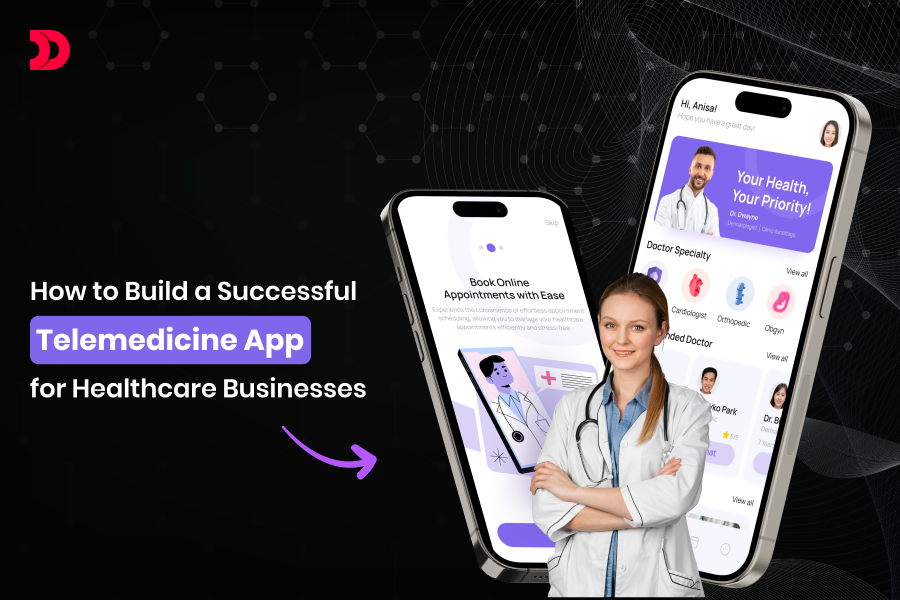
Introduction Telemedicine apps are transforming modern healthcare by providing convenient,…
Read more
 James
February 25, 2026
James
February 25, 2026
Healthcare is rapidly transforming with digital solutions, and telemedicine has…
Read more
 James
February 17, 2026
James
February 17, 2026
In the current digitally competitive landscape choosing the best company…
Read more
 James
January 8, 2026
James
January 8, 2026
In 2026, businesses across retail, hospitality, and service industries are…
Read more