

 James
James
 May 27, 2025
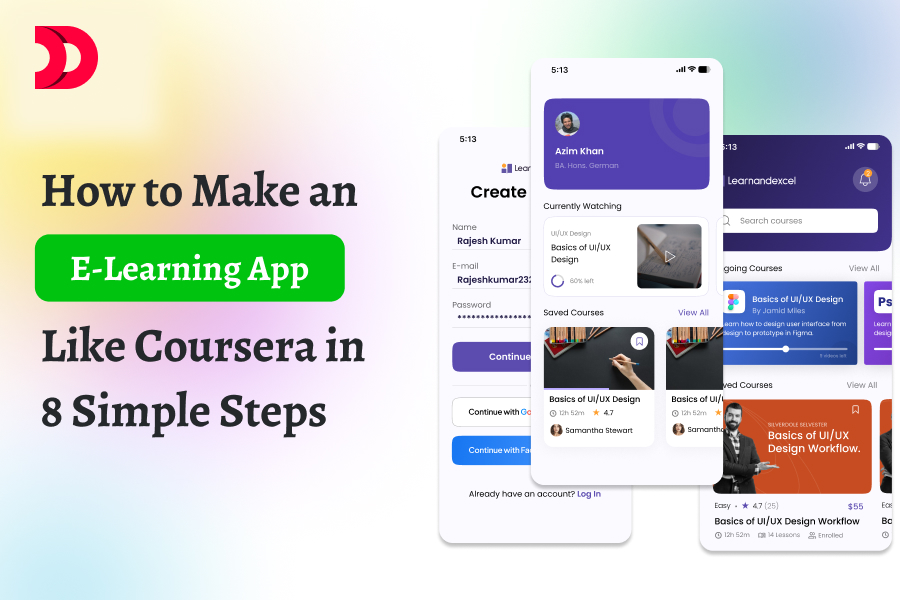
The e-learning industry is booming, with platforms like Coursera leading the charge in delivering accessible, high-quality education. Building an e-learning app like Coursera may seem daunting, but with a clear roadmap, you can create a robust platform that connects learners and educators. Here’s a step-by-step guide to help you develop your own e-learning app in 8 simple steps.
Start by outlining the purpose of your e-learning app. Do you want to offer professional courses, academic tutoring, or niche skills training? Identify your target audience—students, professionals, or hobbyists—and their needs. Key features to consider include:
Research competitors like Coursera to identify must-have features and unique selling points for your app.
Understand your market by analyzing competitors and user preferences. Study platforms like Coursera, Udemy, or Khan Academy to identify their strengths and gaps. Use surveys or social media platforms like X to gather feedback on what learners and instructors want. Key questions to answer:
This research will shape your app’s value proposition and help you stand out.
Selecting the right technology is critical for scalability and performance. Since you’re building a web-based e-learning app, consider the following tech stack:
This stack ensures your app is fast, secure, and scalable, similar to Coursera’s architecture.
User experience (UX) is critical for e-learning apps. Design a clean, intuitive interface that makes navigation effortless. Key design principles:
Use tools like Figma or Adobe XD to create wireframes and prototypes. Test your designs with potential users to refine the UX.
Read More- Create Your Own Ride-Sharing App Like Lyft: 8 Simple Steps
Start building the app by focusing on the minimum viable product (MVP). Prioritize these core features:
Use agile development methodologies to build and test features iteratively. Frameworks like React can streamline frontend development, while Node.js ensures a robust backend.
Video is the backbone of e-learning apps. Partner with a content delivery network (CDN) like Cloudflare or AWS CloudFront to ensure smooth video streaming with minimal buffering. Implement adaptive bitrate streaming to adjust video quality based on the user’s internet speed. For security, use DRM (Digital Rights Management) to prevent unauthorized downloading of course content.
Thorough testing is essential to ensure a bug-free experience. Conduct:
Once testing is complete, deploy the app on a cloud platform like AWS or Firebase. Use CI/CD pipelines to automate updates and ensure smooth deployments.
After launching, focus on attracting users and scaling your platform. Strategies include:
Scaling may involve adding features like gamification (badges, leaderboards) or expanding to new markets with localized content.
The cost of building an e-learning app like Coursera depends on factors like complexity, features, team size, and location of the development team. Below is a breakdown of potential costs for a minimum viable product (MVP):
Total Estimated Cost for MVP: $35,000–$150,000, depending on complexity and team location. Ongoing costs (hosting, maintenance, marketing) may range from $1,000–$5,000/month. To reduce costs, consider using pre-built platforms like LearnWorlds or Teachable for $5,000–$20,000, though they offer less customization.
For a fully custom app with advanced features (e.g., AI recommendations, live classes), costs could exceed $200,000. Always budget for post-launch maintenance and updates (10–20% of initial development cost annually).
Building an e-learning app like Coursera requires careful planning, the right technology, and a focus on user experience. By following these 8 steps—defining goals, researching the market, choosing a tech stack, designing a great UI, developing core features, integrating video streaming, testing rigorously, and marketing effectively—you can create a successful platform that empowers learners worldwide. Factor in costs early to align with your budget, and consider starting with an MVP to test the market. Start small, iterate based on feedback, and scale as your user base grows.
Ready to start? Dive into your project and bring education to the masses!
 James
August 10, 2026
James
August 10, 2026
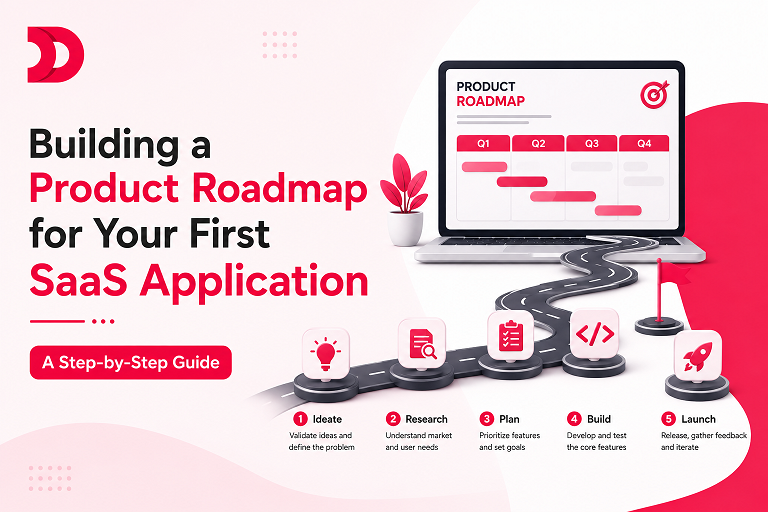
Launching a Software as a Service (SaaS) product is an…
Read more
 James
July 23, 2026
James
July 23, 2026
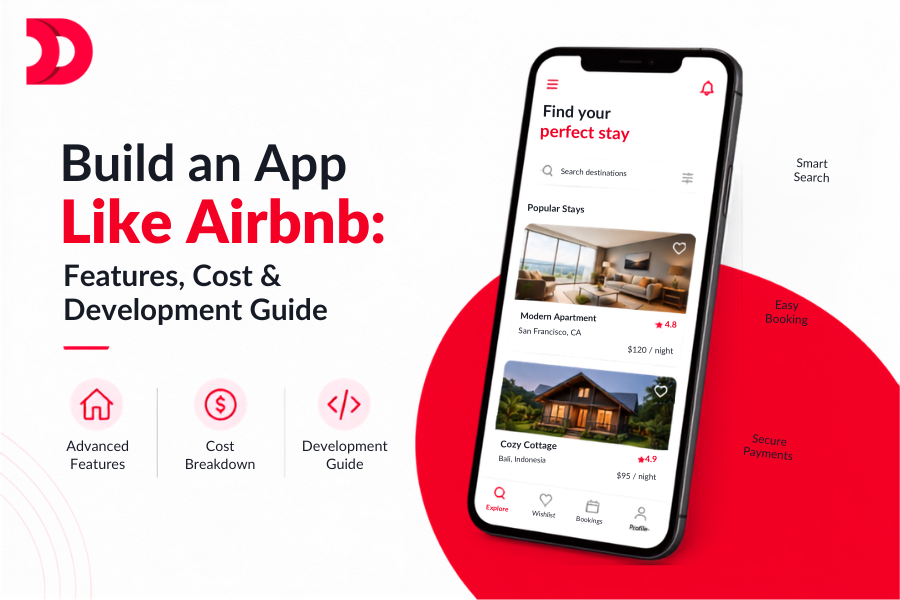
Globally, the travel and property sectors have witnessed massive shifts…
Read more
 James
July 17, 2026
James
July 17, 2026
The mobile gaming industry continues to grow at an impressive…
Read more
 James
July 13, 2026
James
July 13, 2026
Food delivery apps have transformed the way people order meals,…
Read more